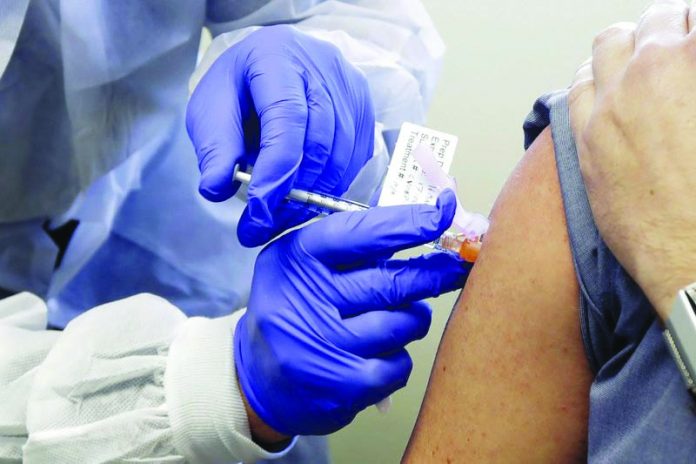
THE first COVID-19 vaccine tested in the United States (U.S.) revved up people’s immune systems just the way scientists had hoped, researchers reported Tuesday – as the shots are poised to begin key final testing.
The experimental vaccine, developed by Dr. Anthony Fauci’s colleagues at the National Institutes of Health and Moderna Inc., will start its most important step around July 27: A 30,000-person study to prove if the shots really are strong enough to protect against the coronavirus.
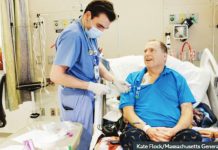
But Tuesday, researchers reported anxiously awaited findings from the first 45 volunteers who rolled up their sleeves back in March. Sure enough, the vaccine provided a hoped-for immune boost.
Those early volunteers developed neutralizing antibodies in their bloodstream – molecules key to blocking infection – at levels comparable to those found in people who survived COVID-19, the research team reported.
There’s no guarantee but the government hopes to have results around the end of the year.
The vaccine requires two doses, a month apart.
There were no serious side effects. But more than half the study participants reported flu-like reactions to the shots that aren’t uncommon with other vaccines – fatigue, headache, chills, fever, and pain at the injection site. For three participants given the highest dose, those reactions were more severe; that dose isn’t being pursued.
Some of those reactions are similar to coronavirus symptoms but they’re temporary, lasting about a day and occur right after vaccination, researchers noted. (AP)