



MANILA — Lower food, fuel and housing costs helped slow headline inflation to 6.2 percent in July, signaling an easing of price pressures, although Malacañang warned that Middle East tensions and the lingering effects of El Niño could still push prices higher.
The July figure was lower than the 6.4 percent recorded in June, with the deceleration driven largely by softer price increases among non-food commodities. Food inflation, meanwhile, remained generally unchanged.
“This signals that overall price pressures are gradually moderating,” Palace Press Officer Claire Castro said in a statement Thursday.
Castro said the administration would continue monitoring external developments, particularly geopolitical tensions in the Middle East that could affect global fuel prices and the lingering effects of El Niño on domestic food production and supply.
Inflation in Metro Manila also slowed to 4.4 percent in July from 4.9 percent in June, mainly due to more moderate increases in housing-related expenses.
Transport costs likewise became less burdensome as increases in diesel and gasoline prices slowed, Malacañang said.
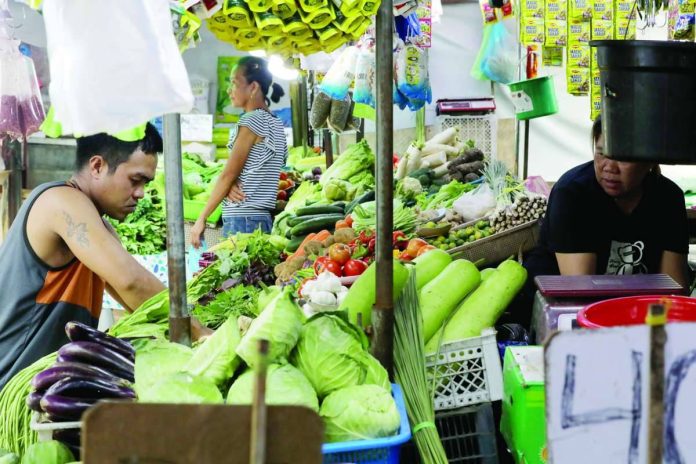
Improved supply conditions also brought down the prices of pork and chicken, as well as vegetables such as eggplant, garlic and onions.
Rice prices continued to decline on a month-to-month basis, although the staple’s annual inflation rate remained elevated due to base effects from the previous year.
Malacañang said the latest figures indicated that government interventions to manage rising prices were gaining ground but stressed that risks to inflation remained and required sustained monitoring./PN