



[av_textblock size=” font_color=” color=” av-desktop-hide=” av-medium-hide=” av-small-hide=” av-mini-hide=” av-medium-font-size=” av-small-font-size=” av-mini-font-size=”]
[/av_textblock]
[av_one_full first min_height=” vertical_alignment=” space=” custom_margin=” margin=’0px’ padding=’0px’ border=” border_color=” radius=’0px’ background_color=” src=” background_position=’top left’ background_repeat=’no-repeat’ animation=”]
[av_heading heading=’From former sacadas to hacienderos’ tag=’h3′ style=’blockquote modern-quote’ size=’30’ subheading_active=’subheading_below’ subheading_size=’18’ padding=’10’ color=” custom_font=” av-medium-font-size-title=” av-small-font-size-title=” av-mini-font-size-title=” av-medium-font-size=” av-small-font-size=” av-mini-font-size=” admin_preview_bg=”]
BY JULIO P. YAP JR.
[/av_heading]
[av_textblock size=” font_color=” color=” av-medium-font-size=” av-small-font-size=” av-mini-font-size=” admin_preview_bg=”]
Friday, February 23, 2018
[/av_textblock]
[av_textblock size=’18’ font_color=” color=” av-medium-font-size=” av-small-font-size=” av-mini-font-size=” admin_preview_bg=”]
SOME former sacadas in Negros Occidental have managed to become hacienderos – at least, that is what they now call themselves.
This came after the present generation of some descendants of former sacadas in Purok Kalubihan, Barangay Tabunan, Bago City, Negros Occidental, bonded together and formed the Hacienderos Agrarian Reform Cooperative or HARC.
Now you know why they are now called the “hacienderos” in Barangay Tabunan.
At least they have the right to be called hacienderos after all because the 156 members of HARC, coming from 60 family-beneficiaries, are now tilling some 65 hectares of productive land they got from the agrarian reform program of the government.
Aside from traditionally planting sugarcane, the members of HARC are now also cultivating rice, banana, different vegetables, fruits, and other crops, aside from the clumps of bamboo that are found around their area.
The group is presently headed by Noel L. Bersamin as the chairman, and ably supported by treasurer Anabel A. Mateo, and bookkeeper Marietta P. Adorio, among other officers of the cooperative.
Since the provincial government of Negros Occidental is advocating organic farming, the group has already devoted some seven hectares of land intended for cultivating organic sugarcane and other organic crops.
They have also tried producing muscovado sugar. However, this venture was apparently discontinued due to logistics and probably lack of technical know-how.
But their enthusiasm was rekindled after the Ecological and Agricultural Development Foundation (Eco-Agri), a non-stock, non-profit organization, introduced “life-changing” technologies to the officers and members of the cooperative.
This came out after they have had an initial consultation meeting with Bacolod City-based RU Foundry and Machine Shop Corporation (RUFMSC) chairman of the board Ramon D. Uy Sr.
Incidentally, Eco-Agri is a vital arm of RUFMSC in promoting organic farming and good agricultural practices in the region.
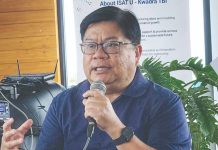
During a recent visit of Uy Sr. at the farm of HARC in the “not-so-remote” barangay of Bago City, he shared his invaluable advice to the officers and members of the coop in terms of producing muscovado sugar at a sustainable level.
Uy Sr. even offered to provide the necessary machineries and equipment to the group for them to boost their productivity.
One thing though that Uy Sr. observed at the whole area covered by HARC is its potential to become a farm tourism destination.
He says that with proper development, Purok Kalubihan can become a farm tourism destination.
He added that once developed and becomes fully operational, the area of HARC could also become a natural schoolroom where farm enthusiasts can learn “hands-on” organic farming and have the opportunity to commune with nature.
The development of HARC’s area will not just benefit the members of the cooperative, but as well as the residents of the different communities in the vicinity.
After all, the government recognizes that tourism, coupled with agricultural extension services, can disseminate the value of agriculture in the economic and cultural development of the country, and serve as a catalyst for the improvement of agricultural communities in the countryside. (jaypeeyap@ymail.com/PN)
[/av_textblock]
[/av_one_full]