
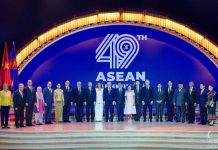

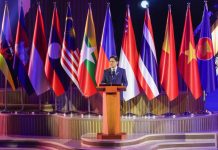
BACOLOD City – The General Alliance of Workers Association (GAWA) has criticized the national government over its spending for the 14th Association of Southeast Asian Nations (ASEAN) Summit in Manila, accusing authorities of prioritizing international prestige and elaborate displays over the economic struggles of ordinary Filipinos.
In a press statement issued on November 16, GAWA Secretary General Wennie Sancho described the summit as a “Potemkin village,” or an elaborate facade designed to create an impressive image while concealing the country’s persistent problems, including poverty, hunger and corruption.
Sancho clarified that the labor group does not oppose the ASEAN Summit, international diplomacy or the Filipino people’s pride in hosting a regional gathering.
However, he said GAWA objects to what it considers the use of the event as a political showcase that masks the country’s economic difficulties and political controversies.
“We oppose the spending of billions of pesos on spectacle while the people starve. We oppose the hiding of the poor behind screens while the rich pose for photos. We oppose the silencing of protest in the name of hospitality,” Sancho said.
He likened the summit to a “Lala show in the Potemkin village,” describing it as a staged performance intended to impress foreign delegates rather than deliver meaningful benefits to ordinary citizens.
Sancho also described the preparations as pakitang-tao, or projecting a favorable image only when influential people and authorities are watching.
“The Lala show is for the camera, not for the people. You clean only when the visitors come. You smile only when the photo is taken. Loud in front, empty behind,” he said.
He questioned the significance of the elaborate decorations, lighting, music, tarpaulins and speeches surrounding the summit if these were not accompanied by concrete improvements in people’s access to food, employment and healthcare.
Among his concerns was the reported clearing of vendors from November 1 to 18 to accommodate summit preparations.
Sancho said affected vendors were given P10,000 and food packs intended to cover the 18-day period but lost their regular sources of income during the clearing.
He also questioned the reported P22.19-billion expenditure for the 2026 ASEAN event, saying the amount should be scrutinized amid the continuing financial difficulties of Filipino households.
Citing figures in his statement, Sancho pointed to a reported 7.8-percent inflation rate in October 2026 and criticized the government’s poverty threshold of P96 per person per day.
He also questioned the adequacy of an estimated P22 daily food allowance per meal, arguing that it could hardly provide sufficient nourishment and sustain human dignity.
“So where is the tiger? The tiger is only on paper. But the hunger is on the stomach, and it is real,” he said.
Sancho warned that the summit’s closing ceremony on November 17 would eventually be followed by the dismantling of decorations, removal of barriers and departure of foreign delegates, while the economic difficulties confronting ordinary Filipinos would persist.
“The arch will be dismantled. The paint will fade. The screen will be removed. The delegates will fly home. What will remain? If what remains is only the memory of a show, then the summit was a facade,” Sancho said./PN