

MANILA – The Philippine government is proactively ensuring stable and affordable food prices, especially amid the implementation of the enhanced community quarantine (ECQ) in Metro Manila and stricter quarantines throughout the country due to the coronavirus disease 2019 (COVID-19) Delta variant, according to the National Economic and Development Authority (NEDA).
The Philippine Statistics Authority reported on Thursday that the headline inflation rate decreased from 4.1 percent in June 2021 to 4.0 percent in July 2021. Year-to-date inflation remains at 4.4 percent.
Overall food inflation slightly increased from 4.9 percent in June to 5.1 percent in July.
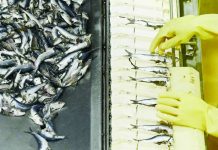
In particular, fish inflation accelerated from 8.7 percent to 9.3 percent due to Typhoon Fabian which affected regional port operations. Vegetable inflation also turned positive from -2.7 percent to five percent due to the flooding caused by the heavy southwest monsoon rains.
On the other hand, pork inflation, which has been the main driver of inflation in 2021 due to the outbreak of the African swine fever, fell from 49 percent in June to 38.4 percent in July. This contributed to the slower meat inflation of 16 percent in July.
Average rice prices also continue to decrease with rice inflation at negative one percent.
“We are now seeing the benefits of Executive Orders 133 and 134. We expect pork prices to go down further in the second half of the year as more imports come in through the increased minimum access volume allocation and lower tariffs. Rest assured that we will continue to proactively manage any threats to the country’s food security, especially during the ECQ,” Socioeconomic Planning secretary Karl Kendrick Chua said.
To manage fish inflation and ensure stable fish supply, the Department of Agriculture will fast-track the issuance of the certificate of necessity to import fish to cover the domestic demand gap during the closed fishing season starting October 2021.
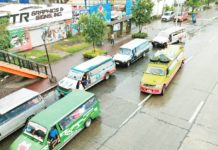
Meanwhile, non-food inflation slowed down from 3.4 percent in June to 3.2 percent in July. One of the main drivers was the decrease in transport inflation from 9.6 percent to seven percent as mobility in the country continued to improve.
However, with the emergence of the more contagious Delta variant, the government has prioritized saving lives and managing the risks from COVID-19 through heightened restrictions in high-risk areas from Aug. 6 to 20, 2021.
“While the ECQ is expected to slow down economic activities in August, this is an investment towards a strong recovery in 2021. We encourage everyone to use this time to get vaccinated, so we can safely reopen the economy once we have contained the spread of the Delta variant,” Chua added.(PNA)