


ILOILO City – Saltwater intrusion has rendered two shallow wells unusable, raising alarm over the growing threat of excessive groundwater extraction to the city’s freshwater supply, particularly in coastal communities, even as authorities intensify efforts to address widespread well contamination.
The city government has condemned the affected wells in Muelle Loney and Plaza Libertad after confirming that seawater had infiltrated their underground freshwater sources, a condition officials warned could be irreversible.

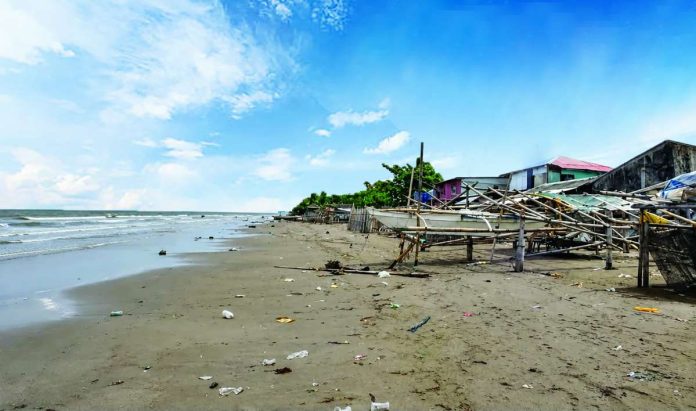
General Services Office (GSO) head Engr. Neil Ravena cautioned that excessive groundwater extraction, particularly in coastal and waterfront barangays, could lower underground water levels and allow seawater to penetrate freshwater aquifers.
“Once saltwater intrusion happens, every high tide brings seawater into the well. That is why we recommend closing these wells,” Ravena said.
The GSO is also closely monitoring other shallow wells suspected of having elevated salinity levels, warning that continued groundwater extraction could worsen the situation and threaten household water sources.
“We are monitoring these wells because seawater might have already entered them, resulting in high salinity levels, which are not good for domestic use,” he said.
The emerging threat compounds Iloilo City’s existing groundwater contamination problem, with 129 shallow wells already condemned for failing to meet safety standards.
As of April 30, 2026, the city government had chlorinated 11,978 of its 16,373 identified shallow wells, representing 73.16 percent coverage.
Ravena said wells that remain contaminated despite undergoing chlorination twice must be condemned to prevent residents from using potentially unsafe water.
Seven privately owned wells also remained untreated after their owners refused chlorination. Authorities considered these wells potentially contaminated because they were located less than 25 meters from septic tanks.
WIDE GAPS IN WELL SAFETY COVERAGE
Government records showed significant disparities in the implementation of the city’s well chlorination program.
La Paz district achieved full coverage, treating all 1,898 identified wells. City Proper 2 (Tanza) likewise completed chlorination of its 445 wells, along with City Proper 1 (Sto. Rosario), which treated all 949 wells.
Jaro 2 recorded 99 percent coverage, with 2,567 of 2,584 wells chlorinated, followed by Molo at 96.61 percent and Jaro 1 at 93.72 percent.
Lapuz registered 87 percent coverage, with 54 wells condemned and 44 sealed.
However, Arevalo and Mandurriao lagged significantly behind, posting chlorination rates of only 34 percent and 29.24 percent, respectively.
In Arevalo, only 1,629 of 4,805 identified wells had undergone chlorination, while 25 were condemned and 12 sealed.
Mandurriao recorded an even lower accomplishment, with just 398 of its 1,361 wells treated.
The figures underscore the continuing challenge of safeguarding Iloilo City’s groundwater resources against contamination, particularly as excessive extraction threatens to permanently compromise freshwater sources in coastal communities.
The twin threats of contamination and seawater infiltration highlight the urgency of protecting the city’s remaining freshwater reserves before more wells become unusable./PN