



ILOILO City — As the Department of Interior and Local Government (DILG) rolls out its anti-epal drive nationwide, reactions on the ground suggest growing public support for stripping politicians’ names and faces from government-funded projects — an effort many say restores focus to service and reminds officials who truly pays for public works.
In Iloilo City, several residents interviewed said the policy levels the playing field for voters by removing what they view as premature self-promotion.
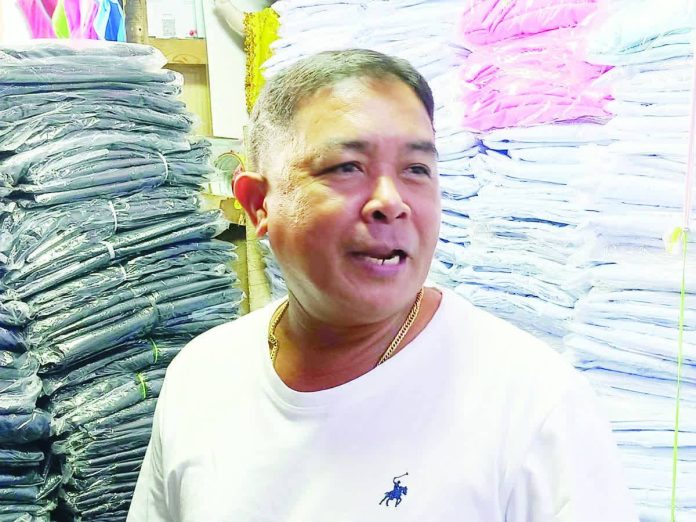
Rolando Delima, a 49-year-old store owner from Mandurriao district, welcomed the move, saying it helps voters decide based on performance rather than visibility.
“It’s good because politicians won’t be easily recalled just by their faces; people can vote properly,” Delima said in Hiligaynon.
He added: “Even without photos, people can still tell who is doing a good job.”
A similar view came from “Inday,” a 59-year-old peanut vendor from Barangay Calaparan, Arevalo district who said genuine service does not need branding.
“It helps keep the city clean, of course. And even without your photo or name, people will remember you if you are doing good work,” she said.
Not everyone, however, agrees with a total ban. Geovanni Manayon, a 29-year-old security guard from Negros Occidental who works in Iloilo, said some visibility helps voters connect projects to officials’ records.
Others framed the issue in sharper terms — taxpayer ownership. “Diday”, a 56-year-old vendor from Barangay Tanza Esperanza, City Proper, stressed that public projects should never be claimed as personal accomplishments.
“The money used for government projects is not the politicians’ money — it’s government money that comes from taxpayers, from us,” she said in Hiligaynon.
“Government projects are not theirs; they belong to the people and should not be claimed as personal achievements,” Diday added.
The policy is contained in DILG Memorandum Circular No. 2026-006, which orders all local government units to immediately remove the names, photos, logos, initials, or any identifying marks of public officials from signages and materials paid for with public funds.
Interior and Local Government Secretary Jonvic Remulla underscored the intent of the order, saying government projects must reflect public service—not personal promotion.
“Government programs are not personal billboards,” Remulla said.
The circular anchors the directive on the 1987 Constitution’s principle that public office is a public trust, the Code of Conduct and Ethical Standards for Public Officials and Employees, and provisions of the 2026 General Appropriations Act that prohibit attaching officials’ names or images to state-funded projects.
With the DILG urging citizens to report violations, early public reaction suggests the Anti-Epal Drive resonates with voters who want accountability without spectacle—though debate continues on how far the ban should go as the policy takes effect./PN