

ILOILO City — Candles are lit and prayers are recited, but the carnival lights remain off as Jaro marks another Candelaria Fiesta without its traditional carnival and fiesta queen — an absence now openly blamed for the fading festive spirit of the historic celebration.
Determined to revive what it describes as the fiesta’s “lost vibrancy,” the Association of Barangay Captains (ABC) of Jaro district is planning the return of the much-missed carnival and fiesta queen pageant in 2027, after their absence left recent celebrations noticeably subdued.
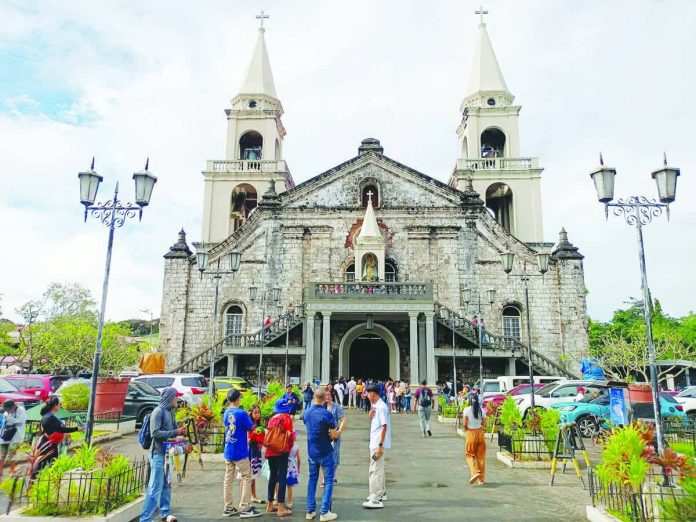
The Jaro or Candelaria Fiesta honors the district’s patroness, Nuestra Señora de la Candelaria (Our Lady of Candles). Regarded as one of the biggest religious fiestas in the country, it draws thousands of devotees to the Jaro Metropolitan Cathedral, where the widely believed miraculous ancient stone icon of the candle-bearing Blessed Virgin Mary with the Child Jesus is enshrined.
ABC–Jaro president Rodel Mamon of Barangay Ungka said the plan to revive the carnival and pageant stemmed from their collective assessment that the fiesta atmosphere weakened after these activities were shelved following the COVID-19 pandemic and the subsequent multimillion-peso rehabilitation of Jaro Plaza.
“Ginaplanohan kag i-finalize namon para mabalik ang atmosphere sang Jaro Fiesta or Candelaria Fiesta kay daw kaluya gid,” Mamon said, stressing that preparations are being started early to ensure a proper comeback in 2027.
Mamon explained that the biggest challenge lies in identifying a suitable venue. He said relocating the carnival to a vacant lot in Barangay Tabuc Suba is not ideal because of its distance from Jaro Plaza, which would dilute the traditional fiesta feel.
At the same time, he ruled out holding large-scale activities inside the plaza itself, citing preservation concerns.
“Basi maguba ang mga tanum kag landscaping, gusto namon ma-maintain ang awra sang (rehabilitated Jaro) Plaza,” Mamon said.
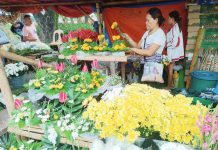
For this year’s fiesta, Mamon said activities remain modest due to space limitations. Planned events include a garden show in selected areas around the plaza, a small perya, live band performances, a food festival at the old Butot’ Balat site, and stalls around the plaza.
The Miss Jaro beauty pageant, featuring six candidates, was held yesterday at Jaro Plaza.
Mamon also revealed that a family from Jaro, now based in the United States, had earlier expressed interest in sponsoring a fiesta queen this year, but the plan failed to materialize due to time constraints and venue issues.
The Candelaria Fiesta commemorates the Presentation of the Child Jesus Christ and reflects centuries-old Catholic traditions deeply rooted in the Ilonggo community. The celebration is marked by the blessing of perdon candles — symbolizing Christ as the light of the world — and a grand afternoon religious procession that draws pilgrims from across the region and beyond.
The perdon candle is the item most closely associated with the Candelaria Fiesta. Believed by many to be miraculous, it is often lit during times of need, calamities, or when seeking divine intervention from “Nanay Cande,” the Ilonggos’ term of endearment for the Blessed Virgin Mary.
Perdon, a Spanish word meaning forgiveness, symbolizes hope and divine protection for many devotees./PN