


THOUSANDS of families from Mount Kanlaon’s 6-kilometer danger zone find temporary shelter in evacuation centers. The immediate priority is, without question, their safety. The task force’s swift and coordinated evacuation efforts are admirable, and the provision of food, shelter, and basic needs by local government units (LGUs) and national agencies deserves recognition. However, once the danger subsides, a far more complex challenge emerges: rebuilding lives and restoring normalcy.
Recovery after disasters is not a one-time intervention. It is a long-term process that requires careful planning and support from all levels of government and stakeholders. While immediate evacuation is essential to save lives, what comes next — restoring livelihoods, rebuilding infrastructure, and addressing the invisible wounds of trauma — is just as important to ensure the affected communities can recover and thrive.
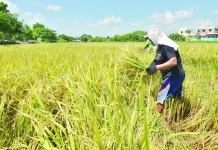
For displaced families, suffering is not limited to physical safety. Many residents, particularly farmers and livestock owners, face the grim reality of losing their primary sources of income. The inability to tend to their fields or care for their animals creates long-term economic distress. This is where livelihood restoration programs come in. Providing financial assistance, alternative job opportunities, and access to training for new skills can help these families regain their footing. Agricultural recovery programs, tailored to the specific needs of the affected communities, must be prioritized to rebuild economic stability.
Equally urgent is the rebuilding of infrastructure to make them withstand future disasters. The volcanic hazards of pyroclastic density currents, ashfall, and lahars are recurring threats for communities near Kanlaon and other active volcanoes. Rehabilitating damaged roads, water systems, and public facilities is only part of the solution. Building more resilient infrastructure that factors in these recurring risks is the key to reducing vulnerability. LGUs and disaster response agencies must ensure that investments in infrastructure are designed to endure and mitigate the impact of future volcanic activity.
But while tangible recovery efforts are vital, we must not overlook the mental health impact of disasters. For evacuees, the trauma of displacement, uncertainty about their homes, and the fear of losing loved ones take an emotional toll. Evacuation centers may provide physical shelter, but mental well-being often remains unaddressed. Integrating psychosocial support into recovery plans is essential to help individuals and families cope with the stress and anxiety brought by the disaster. Establishing mental health services, counseling programs, and community support systems should become a standard part of post-disaster recovery.
The experience of Kanlaon reminds us that communities living near active volcanoes require long-term resilience planning. Evacuation drills and temporary shelters are necessary during emergencies, but communities need more than reactive solutions. Preparedness plans must include sustainable livelihood options, disaster-proof infrastructure, and robust education campaigns to help residents adapt to living in hazard-prone areas. LGUs must also consider risk mapping and relocation programs for those in high-risk zones to prevent repeated displacement.
The road to recovery after disasters is long, but it can be made smoother with a well-coordinated and comprehensive approach. Let Kanlaon’s evacuees not become forgotten victims once the danger passes. Instead, let their experience spur recovery plans that prioritize resilience, dignity, and hope for all communities living under the shadow of nature’s unpredictable forces.