


ILOILO – Veterinary authorities have intensified surveillance against avian influenza in six coastal municipalities identified as high-risk areas due to sightings of migratory birds, as the province moves to prevent the entry of the highly contagious poultry disease and preserve its bird flu-free status.
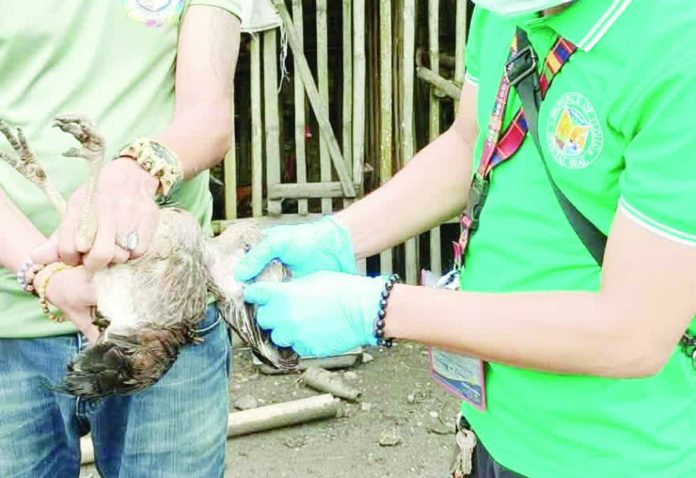
The Office of the Provincial Veterinarian (OPVet), in coordination with Municipal Agriculture Offices, conducted blood sampling and oropharyngeal swabbing of poultry in Carles, Estancia, Ajuy, Sara, Concepcion and Dumangas from September 15 to 17.
Avian influenza, commonly known as bird flu, is a viral disease that primarily infects domestic poultry and wild birds. Some strains, particularly highly pathogenic avian influenza, can cause severe disease and high mortality among poultry.
Migratory birds are wild birds that regularly travel from one region or country to another, often seasonally in search of food, breeding grounds or warmer habitats. Because they cross long distances and geographic boundaries, infected migratory birds can potentially carry avian influenza viruses to areas along their migration routes.
OPVet chief Dr. Darel Tabuada said the Department of Agriculture – Bureau of Animal Industry (DA-BAI) identified the six municipalities for routine surveillance because migratory birds have been sighted in these coastal areas.
Blood samples collected from poultry in the six municipalities were sent to the DA-6 Regional Animal Disease Diagnostic Laboratory for testing, Tabuada told Panay News.
Results are expected within a week.
Tabuada expressed confidence that the samples would test negative, noting that Iloilo has not recorded a bird flu case since avian influenza emerged as a threat.
The only previous case in Western Visayas was recorded in Barangay Dayaw, Roxas City, Capiz in December 2022, involving highly pathogenic avian influenza (HPAI) subtype H5N1 that affected layer chickens and ducks.
Capiz was subsequently declared bird flu-free in July 2023, six months after the outbreak.
OPVet conducts routine bird flu surveillance twice a year, usually every March and September, to verify and maintain Iloilo’s disease-free status.
Other provinces in Western Visayas conduct similar surveillance activities under a DA-BAI directive aimed at continuously monitoring the region for possible avian influenza infections.
“That is routine surveillance, twice a year namon gina-conduct para ma-establish nga wala kita diri sang bird flu sa Panay, other provinces nagakolekta man sina,” Tabuada said.
Aside from protecting the poultry industry, the surveillance helps farmers obtain a certificate of free status, one of the documentary requirements for securing a DA shipping permit for poultry and poultry products transported outside the province or region.
A veterinary health certificate issued by OPVet is another requirement for the shipping permit.
During the surveillance activities, OPVet also distributed multivitamins and other farm inputs to poultry raisers.
Tabuada clarified that farmers’ participation in the surveillance program is voluntary and that the service is provided free of charge./PN