



BY DOMINIQUE GABRIEL G. BAÑAGA
BACOLOD City – As it battles coronavirus disease 2019 (COVID-19), Negros Occidental is experiencing a spike in dengue cases.
From Jan. 1 to April 16, the province recorded 238 dengue cases – 56 percent higher than the cases recorded in the same period last year and currently the biggest increase among the region’s provinces, data from the Department of Health (DOH) Region 6 showed.
Negros Occidental, which is under COVID-19 Alert Level 2, also recorded two fatalities due to the mosquito-borne disease.
Dr. Ernell Tumimbang, Provincial Health Office chief, expressed concern that the recent rainy conditions would further cause a surge in cases.
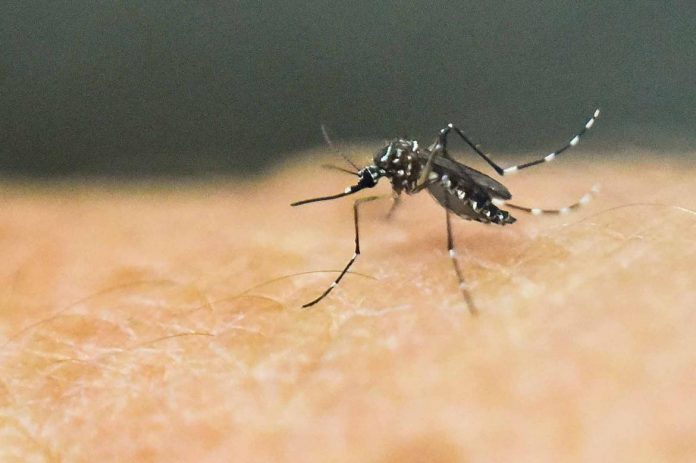
Dengue mosquitoes Aedes albopictus and Aedes aegypti breed in clear, stagnant water.
On Thursday, the Philippine Atmospheric Geophysical and Astronomical Services Administration (Pagasa) said the La Niña conditions being experienced in most parts of the country will likely persist until at least June to August of this year.
Forecast for the month of May showed “near normal” rainfall in almost the entire country while areas such as Bataan, Occidental Mindoro, Negros Oriental, and Siquijor would experience “above normal” rainfall.
Tumimbang pointed out that normally, dengue cases increase every three years.
Dengue causes a severe flu-like illness that could sometimes be fatal. Its carriers are day-biting mosquitoes.
According to the World Health Organization, individuals should suspect dengue when a high fever (40 degrees centigrade) is accompanied by two of the following symptoms: severe headache, pain behind the eyes, nausea / vomiting, swollen glands, muscle and joint pains, and rashes.
For severe dengue, the warning signs to look out for are: severe abdominal pain, persistent vomiting, rapid breathing, bleeding gums, blood in vomit, fatigue, and restlessness.
The DOH renewed its call to the public to prevent dengue by implementing the enhanced 4-S strategy in their households:
* Search and destroy mosquito-breeding sites;
* Self-protection measures like wearing long pants and long sleeved shirts and daily use of mosquito repellent;
* Seek early consultation; and
* Support fogging/spraying only in hotspot areas where increase in cases is registered for two consecutive weeks to prevent an impending outbreak./PN