



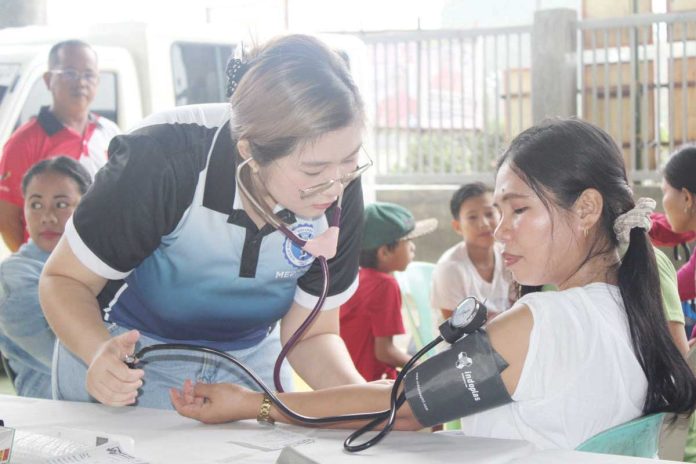
ILOILO City — More than 122,000 adults in Western Visayas have been identified as hypertensive while over 58,000 heart disease cases were recorded in the first eight months of 2026, underscoring the continuing cardiovascular threat confronting the region.
Data from the Department of Health (DOH) showed that 122,118, or 16.30 percent, of nearly 750,000 Region 6 adults assessed through the Philippine Package of Essential NCD Interventions (PhilPEN) were flagged as hypertensive.
Aklan posted the highest proportion of adults identified as hypertensive during PhilPEN risk assessments at 25.40 percent, followed by Guimaras at 22 percent and Capiz at 19.20 percent.
The figures reinforce a broader cardiovascular problem in Western Visayas, where essential or primary hypertension has emerged as the leading reported cause of morbidity across all age groups.
Latest 2026 Field Health Services Information System (FHSIS) data recorded 76,483 cases of essential hypertension, exceeding even acute upper respiratory infections.
Diabetes mellitus ranked fifth with 16,458 cases, while other hypertensive diseases accounted for another 9,290 cases.
DOH, however, stressed that the morbidity figures cover only diagnoses recorded during consultations at Rural Health Units (RHUs) and exclude cases diagnosed or managed in hospitals. This means the figures may not capture the region’s full disease burden.
Dr. Aimee Marie L. Gayomali, section head of DOH Region6’s Integrated Non-Communicable Disease Prevention and Control Section, said cardiovascular diseases remain among the leading causes of death in Western Visayas.
Philippine Statistics Authority data for 2024 showed acute myocardial infarction, or heart attack, was the leading cause of death among males in Western Visayas, accounting for 11.8 percent of male deaths.
It was the second leading cause among females at 11 percent, while hypertensive heart disease accounted for 6.4 percent.
“Taken together, these data underscore the continuing burden of cardiovascular diseases and their risk factors in Western Visayas and across the country. They highlight the importance of strengthening cardiovascular disease prevention and control through early risk assessment, regular blood pressure monitoring, healthy lifestyle practices, effective management of hypertension and diabetes, and timely access to appropriate treatment and care,” DOH-6 stressed.
58,439 HEART DISEASE CASES
FHSIS data further showed that Western Visayas recorded 58,439 cases of heart diseases from January to August 2026.
Adults aged 60 years and older accounted for around 56 percent of the cases, while those aged 20 to 39 comprised about 7 percent.
Acute myocardial infarction cases also reached 58 from January through August this year, compared with 37 cases recorded for the entire 2025.
DOH-6 cautioned, however, that the figures cannot yet establish a year-on-year increase because the 2026 data cover only eight months.
“Since the 2026 data cover only January to August while the 2025 data cover the full year, this should not yet be interpreted as a definitive year-on-year increase. The data also do not show evidence of a clear increase in heart disease specifically among younger adults. In fact, the majority of reported heart disease cases continue to occur among older age groups,” DOH-6 clarified.
The health department also warned against assuming that the absence of symptoms means a person is free from hypertension.
“This World Heart Day, let us remember that protecting our heart starts with knowing our risks and taking action early. Hypertension is often called a “silent killer” because a person can have high blood pressure without feeling any symptoms. Feeling well does not necessarily mean that your blood pressure is normal. No symptoms does not mean no hypertension,” DOH-6 added.
KNOW YOUR NUMBERS
Health authorities identified diets high in sodium, refined sugar and unhealthy fats, physical inactivity, tobacco use and harmful alcohol consumption among the modifiable risk factors contributing to cardiovascular disease.
Regular monitoring of blood pressure, blood sugar and cholesterol, a balanced diet, physical activity, maintaining a healthy weight and adherence to prescribed medication can substantially reduce cardiovascular risks.
Uncontrolled risk factors can eventually lead to heart attacks, strokes, heart failure, kidney disease and damage to other major organs.
DOH-6, together with local government units and healthcare partners, is expanding preventive interventions through PhilPEN and Healthy Hearts, Proteksyon Para sa AltaPresyon, improved availability of antihypertensive and diabetes medicines, and health financing mechanisms including PhilHealth YAKAP.
“The DOH, together with our LGU and healthcare partners, continues to strengthen services from prevention and early detection, assessment and screening, diagnosis and treatment, to follow-up and control. Let us not wait for a heart attack or stroke before we take care of our heart. Know your numbers, know your risks, and take action today. A healthy heart means a healthier family, a healthier community, and a healthier Philippines,” DOH-6 added./PN