


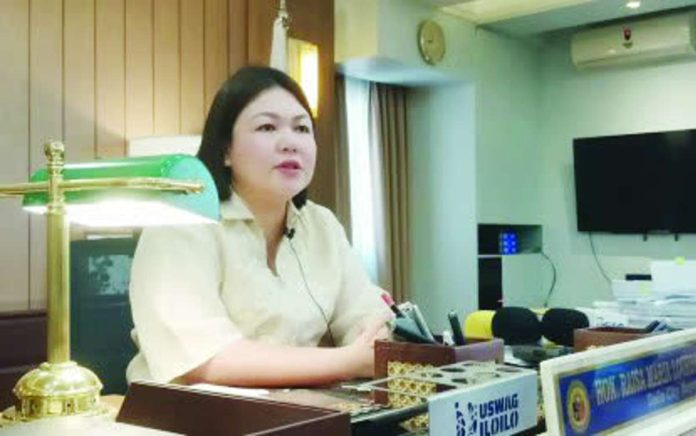
ILOILO City – Mayor Raisa Treñas is pushing for a science-driven reassessment of Iloilo City’s flood-control and drainage systems to determine whether existing infrastructure can still withstand heavier rainfall and increasingly unpredictable weather conditions.
Treñas said updated scientific data should guide the city in reviewing drainage pipes and other flood-mitigation infrastructure and identifying improvements needed to strengthen Iloilo’s resilience against future disasters.
“If we get the right data, we will be able to prepare. Revisit the pipes that we’re putting in our drainage systems and review what else we can do to make sure that Iloilo is a resilient city,” Treñas said.
Speaking during the Science and Technology Forum on Navigating the Challenges of the New Normal in Iloilo City, the mayor stressed that scientific findings should not remain confined to research papers or conferences but must be translated into concrete government policies, infrastructure improvements and disaster-preparedness measures.
“Science gives us the knowledge to understand these risks, but it is our responsibility to turn that knowledge into action,” Treñas said.
Her call comes as Iloilo City confronts changing weather patterns, heavier rainfall and flooding, raising questions over whether drainage infrastructure designed under previous conditions remains adequate.
Treñas said accurate information on potential hazards would allow the city government to anticipate disasters instead of merely responding after they strike.
“We have to know what we are expecting, because if we know what we are expecting, we can be prepared. And that is the reason why we have this scientific conference today,” she said.
For Treñas, the push for stronger disaster preparedness is also deeply personal. She recalled being among the victims of Typhoon Frank in 2008, when massive flooding inundated Iloilo City and forced her and her family to seek safety on the roof of their house.
“Biktima ako sang Typhoon Frank. I was already at the roof of our house, literally,” Treñas said.
The experience, she said, continues to shape her approach to disaster response and explains why she personally participates in rescue and emergency operations even in the early hours of the morning.
“Every time disaster strikes, they ask me, ‘Mayor, why are you so hands-on?’ 1 a.m., 2 a.m., 3 a.m., 4 a.m., anytime I’m there for the Ilonggo people. You know why? Because I experienced it myself. I don’t want an Ilonggo family left not rescued,” she said.
Treñas stressed that strengthening Iloilo City’s resilience will require more than emergency response. Scientific knowledge, she said, must be used to anticipate risks, reassess existing infrastructure and guide investments that can better protect residents before the next major calamity strikes./PN