Sugar industry under threat of falling output amid rising cost, pests – DA
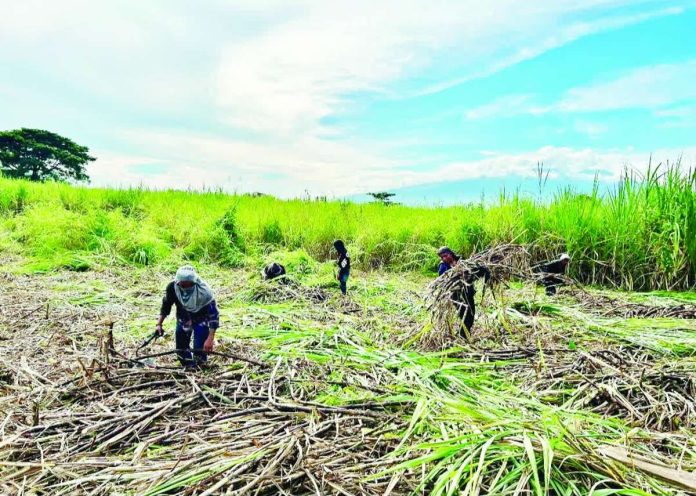
THE DEPARTMENT of Agriculture (DA) said the country’s sugar industry is facing another difficult milling season, with weak production, rising farm costs, El Niño, and persistent pest infestation threatening farmers' earnings and investments in the next crop.
In a statement on Tuesday, Nov. 24, the DA said the Sugar Regulatory Administration (SRA) Board has raised concerns over low cane tonnage and sugar yields, warning that the combination of high fuel and farm input costs and red soft scale insect (RSSI) infestation could further undermine productivity with the 2026-2027 milling season now in its second month.
With this, the DA said that the “economic fallout could extend beyond farms and sugar mills, particularly in Negros Occidental, the country's leading sugar-producing province, where the industry supports thousands of livelihoods and much of the local economy.”
Moreover, it said the Iran conflict has added to production costs, leaving farmers uncertain whether the current crop will generate enough returns to cover expenses.
The squeeze could also discourage investment in the next planting cycle, potentially deepening the industry's supply problems, it added.
SRA miller and farmer representative Mitzi Mangwag said mills, which have invested billions of pesos in modernization, depend on adequate cane deliveries to recover their capital.
"Any drop in sugarcane production is not good for our farmers, who are the backbone of the industry, and not good for our millers as well, especially at a time when they are modernizing," said Mangwag.
SRA farmer representative Dave Sanson said higher input costs and weak production could leave growers unable to afford the fertilizer and other inputs needed to sustain their farms.
Agriculture Secretary Francisco Tiu Laurel Jr., for his part, said the DA stands ready to work with the SRA and other government agencies to help farmers contain the RSSI infestation, sustain production and protect farm incomes.
SRA administrator Pablo Luis Azcona, likewise, said the industry must balance a sustainable farmgate price for growers with adequate supply and affordable sugar for households and food manufacturers.
The DA said it is also seeking additional national government funding, together with the SRA, to cushion the effects of El Niño and RSSI, recognizing that declining production threatens not only the sugar value chain but also the economies of sugar-dependent communities. (GMA News)
THE DEPARTMENT of Agriculture (DA) said the country’s sugar industry is facing another difficult milling season, with weak production, rising farm costs, El Niño, and persistent pest infestation threatening farmers’ earnings and investments in the next crop.
In a statement on Tuesday, Nov. 24, the DA said the Sugar Regulatory Administration (SRA) Board has raised concerns over low cane tonnage and sugar yields, warning that the combination of high fuel and farm input costs and red soft scale insect (RSSI) infestation could further undermine productivity with the 2026-2027 milling season now in its second month.
With this, the DA said that the “economic fallout could extend beyond farms and sugar mills, particularly in Negros Occidental, the country’s leading sugar-producing province, where the industry supports thousands of livelihoods and much of the local economy.”
Moreover, it said the Iran conflict has added to production costs, leaving farmers uncertain whether the current crop will generate enough returns to cover expenses.
The squeeze could also discourage investment in the next planting cycle, potentially deepening the industry’s supply problems, it added.
SRA miller and farmer representative Mitzi Mangwag said mills, which have invested billions of pesos in modernization, depend on adequate cane deliveries to recover their capital.
“Any drop in sugarcane production is not good for our farmers, who are the backbone of the industry, and not good for our millers as well, especially at a time when they are modernizing,” said Mangwag.
SRA farmer representative Dave Sanson said higher input costs and weak production could leave growers unable to afford the fertilizer and other inputs needed to sustain their farms.
Agriculture Secretary Francisco Tiu Laurel Jr., for his part, said the DA stands ready to work with the SRA and other government agencies to help farmers contain the RSSI infestation, sustain production and protect farm incomes.
SRA administrator Pablo Luis Azcona, likewise, said the industry must balance a sustainable farmgate price for growers with adequate supply and affordable sugar for households and food manufacturers.
The DA said it is also seeking additional national government funding, together with the SRA, to cushion the effects of El Niño and RSSI, recognizing that declining production threatens not only the sugar value chain but also the economies of sugar-dependent communities. (GMA News)