



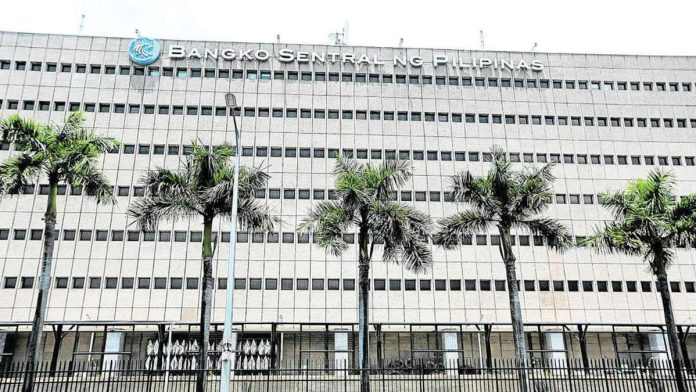
THE Bangko Sentral ng Pilipinas (BSP) wants banks and other financial firms under its supervision to waive the service fee on electronic fund transfers, but only for personal transactions and payments to micro, small and medium enterprises (MSMEs) as it doubles down on its efforts to transform the country into a cash-lite economy.
The BSP is collecting comments from stakeholders on a draft circular that would bring the cost of person-to-person electronic money transfers and micro-merchant payments to zero.
BSP-supervised financial institutions (BSFIs) have until October 11 to submit their feedback.
Once the circular is approved by the policymaking Monetary Board (MB), the BSP said payment service providers (PSP) must make the necessary adjustments to comply with the new rules starting April 1, 2025.
At the same time, the moratorium on the increase in fees for InstaPay and PESONet transactions will also be lifted for the PSPs once they submit their proof of compliance with the circular.
Figures from the BSP showed current InstaPay fees for individual transactions range from as low as P8 to as high as P75, while PESONet transfers could cost between P8 and P600 for consumers.
Thresholds
Under the draft document, electronic fund transfers would be free of charge for personal transactions as long as they are within the “threshold” set by the BSP.
The central bank said no fees would be collected from person-to-person digital money transfers if done either as a remittance or lending of funds for “personal, family, or household purposes and not conducted in the ordinary course of businesses.”
Sending money via electronic channels is also considered a personal transaction — and therefore free of charge — if the number of digital fund transfers from an account does not regularly exceed 10 times a week.
Transaction fees will be collected for fund transfers beyond those thresholds, the regulator noted.
But the BSP said BSFIs “shall adopt reasonable and fair market-based pricing models” when collecting such fees.
Meanwhile, the BSP also wants zero fees for digital payments to small businesses, or firms whose monthly aggregate gross receipts do not exceed P250,000. Transactions that are not covered by this exemption must pay the fees, which should be “proportional to the cost of the services offered in order to sustain the business operations of the parties involved.”
Reducing transaction costs for electronic fund transfers would bode well for the central bank’s goal to boost digital transactions.
Latest data released by the BSP yesterday, October 1, showed the share of digital payments to total retail payment transactions in the country grew to 52.8 percent in 2023, from 42.1 percent in 2022. That means out of the 5 billion total monthly transactions recorded last year, more than 2.6 billion of them were successfully converted to digital form. (Ian Nicolas P. Cigaral © Philippine Daily Inquirer)