


ILOILO City — A staggering 197 millimeters of rain dumped on Iloilo City in just six hours — flooding a total of 70 barangays and affecting more than 3,000 people — has prompted the city government’s push for long-term engineering solutions instead of relying mainly on evacuation, declogging and other temporary responses to recurring floods.
The rainfall recorded on August 17 was particularly alarming because it occurred without a typhoon, underscoring the growing threat posed by increasingly extreme weather conditions.
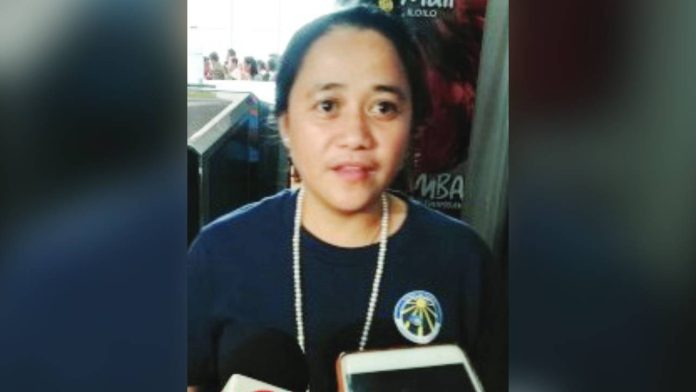
City Disaster Risk Reduction and Management Office (CDRRMO) head Donna Magno said the magnitude of the flooding has reinforced the need to address the vulnerabilities of low-lying and highly flood-prone communities through infrastructure and better development planning.
“Nagakinahanglan na sang engineering solutions ini nga mga barangay,” Magno said.
The six-hour rainfall was already close to the 215-millimeter average rainfall recorded across Western Visayas over an entire 24-hour period, highlighting the extraordinary amount of water that overwhelmed parts of the city in a short period.
Darwin Joemil Papa, head of the CDRRMO’s Disaster Response Division, said the 197-mm rainfall was the highest recorded in Iloilo City since January.
The 70 barangays inundated by the heavy rains had already been identified as vulnerable to flooding through the city’s hydrologic study and risk assessment.
Magno warned that “this kind of flooding can happen again if we receive the same volume of rainfall.”
FROM RESPONSE TO PREVENTION
Against this backdrop, the city government is shifting toward risk governance, an approach that requires development and infrastructure projects to be evaluated according to whether they reduce disaster risks or potentially worsen them.
“Risk governance is about making sure that when we put up projects, we study whether these will reduce the risk or, instead, make the risk worse,” Magno said.
A major component of the city’s long-term response is a comprehensive drainage master plan, which is entering the procurement process for a feasibility study.
The master plan is expected to provide a broader assessment of Iloilo City’s drainage network and determine the infrastructure interventions needed in communities facing high flood risks.
While waiting for the long-term engineering projects, the city is considering immediate interventions such as dredging creeks, continuously declogging drainage systems and promoting proper waste disposal to improve the flow of floodwater.
“These are temporary solutions while we work toward longer-term engineering interventions,” Magno said.
CLIMATE THREAT
Magno noted that the latest deluge was brought by the southwest monsoon or habagat, rather than a typhoon — demonstrating that destructive rainfall can occur even without a tropical cyclone.
She said climate change is expected to produce increasingly extreme conditions, including more intense heat during the dry season and heavier rainfall during the wet season.
“While time goes by, the heat and rainfall in the country are also becoming more intense,” Magno said.
The city government’s shift toward risk governance seeks to anticipate these threats before disasters occur by ensuring that development decisions, infrastructure projects and disaster-management measures work together to reduce Iloilo City’s exposure to flooding./PN