



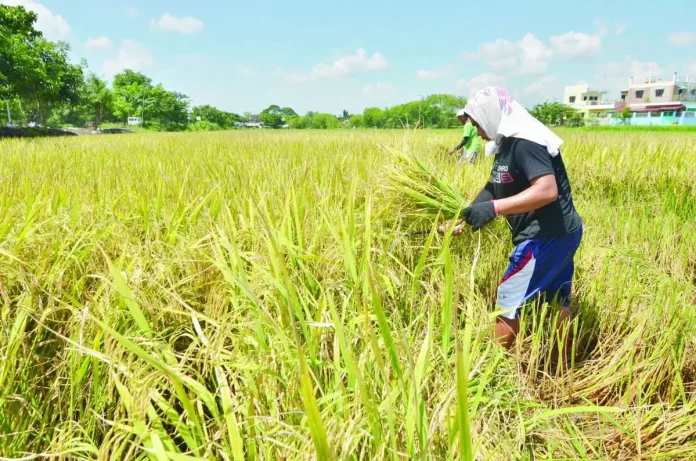
ILOILO – The Iloilo Provincial Government is preparing for a potentially prolonged nine-month drought emergency extending until June 2027, with an P82-million quick response fund on standby as authorities brace for severe water shortages, agricultural losses and other threats from a forecast super El Niño.
The provincial government, under Gov. Arthur Defensor Jr., is drawing up comprehensive emergency response measures covering food, water, energy, health and public safety, amid concerns that the anticipated El Niño conditions could worsen during the summer months following the first quarter of 2027.
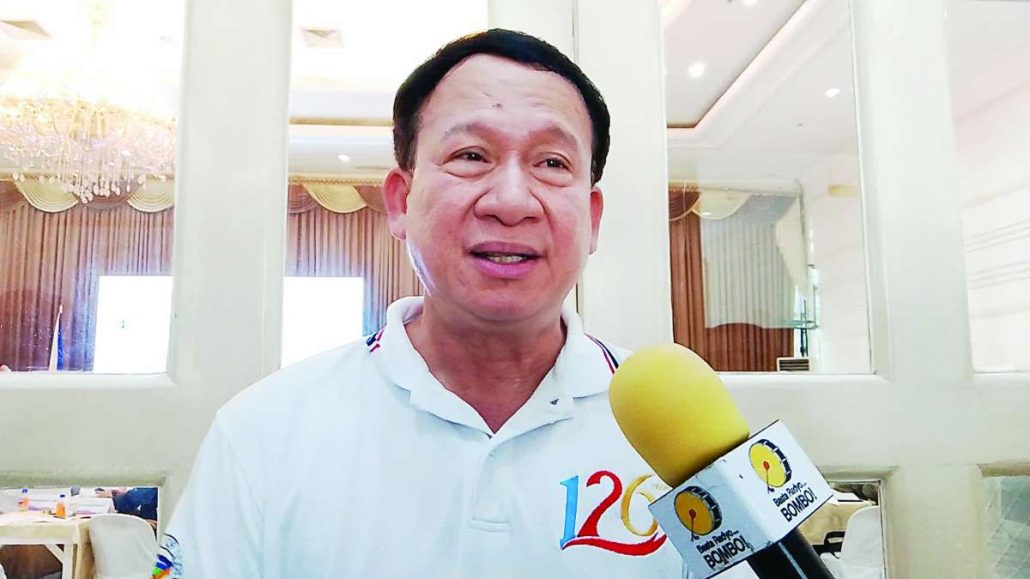
Provincial Disaster Risk Reduction and Management Office (PDRRMO) head Cornelio Salinas said the province is prepared to mobilize its emergency resources, including the P82-million quick response fund, should conditions warrant the declaration of a state of calamity.
He explained that the provincial government could use available resources to provide emergency assistance, including the distribution of welfare goods to affected communities, should the drought intensify in the coming months.
The province is also anticipating possible assistance from the national government, particularly for communities expected to suffer the worst effects of El Niño during the first quarter of 2027.
However, Salinas warned that the province’s preparations must extend beyond the forecast duration of the weather phenomenon because the succeeding summer months could prolong water scarcity and aggravate drought conditions.
“This is nine months kay pagtapos sang drought sa first quarter of 2027, may three months nga summer so dugang mo na sia kay kon summer wala man ulan,” he said.
The extended planning period reflects the provincial government’s concern that even after El Niño conditions ease, the dry summer months from April to June could continue to strain water supplies, agricultural production and essential public services.
To prepare for these scenarios, the provincial government convened Task Force El Niño on Tuesday, October 6, to develop detailed operational plans specifying the daily and weekly interventions that government agencies and emergency response units must undertake.
Salinas said Defensor wants concrete and coordinated measures rather than general contingency plans, particularly in anticipation of the difficulties experienced during the 2024 El Niño episode.
“Ang gusto sang governor day-to-day or weekly basis nga response and mitigating measure ang himuon naton,” Salinas said.
Among the major concerns is the possibility of renewed water rationing in upland municipalities, where residents experienced water shortages during the previous El Niño.
Salinas recalled that the provincial government had to provide fuel assistance to fire trucks deployed to deliver water to affected communities in 2024.
He explained that fire trucks could not automatically undertake prolonged water delivery operations because their regular operational budgets were intended primarily for fire suppression and prevention.
“Kinahanglan nila reinforcement from our fire trucks pero ang fire trucks wala man sang fuel for water rationing because ang ila pundo is only for fire suppression and prevention. Indi mo sia puede nga ipabunyag sa garden sang munisipyo or magdugang sang tubig,” Salinas explained.
The experience underscored the need to establish adequate logistical and financial support for emergency responders, particularly the Bureau of Fire Protection, which could again be tapped to assist communities facing critical water shortages.
During the task force meeting, Salinas presented the organizational structure and responsibilities of the interagency body established under Executive Order No. 67, Series of 2026, issued by Defensor.
The task force is divided into five sectors tasked with addressing the potentially widespread consequences of the anticipated drought.
The Food Security Sector is developing measures to maintain adequate food supplies, reduce crop damage and minimize income losses among farmers and fisherfolk.
The Water Security Sector is responsible for ensuring sufficient water supplies for households, healthcare facilities and agricultural areas, including emergency interventions in communities facing shortages.
Meanwhile, the Energy Security Sector is preparing measures to mitigate possible power interruptions and protect electricity infrastructure from the effects of prolonged dry conditions.
The Health Security Sector is strengthening healthcare delivery systems to respond to potential disease outbreaks and heat-related illnesses, while the Public Safety Sector is developing strategies to prevent El Niño-related incidents and maintain peace and order.
The Office of the Provincial Planning and Development Coordinator is guiding the preparation of sector-specific strategies, which will be consolidated into the Provincial Action Plan for El Niño.
Provincial Administrator Raul Banias stressed that the government’s preparations should not be limited to immediate emergency responses but must also establish lasting mechanisms to protect communities against recurring droughts.
“We should not only have a short-term action plan. We need a resilient long-term framework that we can adapt continuously. Because these challenges will recur next year and in the years to come because of the effects of climate change,” Banias said.
Salinas emphasized that confronting the anticipated drought requires the participation of the entire community, describing disaster preparedness as a “shared responsibility” between the government and the public.
He urged residents to conserve water, adopt preventive measures against heat-related illnesses and cooperate with government interventions designed to cushion the effects of the expected prolonged dry spell.
The provincial government’s preparations come as authorities seek to avoid a repeat of the difficulties experienced during the 2024 El Niño, particularly water shortages in upland communities and disruptions to essential services./PN