

ILOILO — A looming water crisis could expose thousands of Iloilo residents to a dangerous combination of disease outbreaks, malnutrition and heat-related emergencies as the province braces for a potentially severe El Niño episode.
The Iloilo Provincial Health Office (IPHO) has sounded the alarm over the possible health consequences of prolonged dry spells and drought, warning that dwindling water supplies could threaten public health, particularly in communities already struggling with limited access to safe drinking water.
With all 43 local government units (LGUs) facing potential health risks, the provincial government is pushing for stronger disease surveillance, emergency medical preparedness and water safety measures to prevent an environmental threat from escalating into a public health crisis.
Dr. Rodney Labis, head of the IPHO Health Service Delivery Division, warned that reduced rainfall, prolonged drought and water shortages could increase the incidence of dehydration, heat-related illnesses, diarrhea, malnutrition and other health problems.
“We are asking all LGUs to conduct health risk assessments and identify communities at high risk from the effects of El Niño, particularly areas with limited water supply,” Labis said.
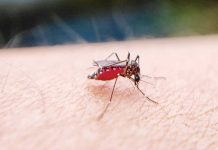
The warning underscores a potentially dangerous chain reaction: water shortages could compromise sanitation and food safety, increasing the risk of diarrheal diseases, while households forced to store water could inadvertently create breeding grounds for dengue-carrying mosquitoes.
The IPHO urged city and municipal health offices, primary care facilities and barangay health stations to prepare for these overlapping threats.
Health facilities must maintain adequate supplies of oral rehydration salts, essential medicines and medical equipment while ensuring that emergency referral systems remain operational.
Local health authorities were also directed to strengthen coordination with disaster risk reduction and management offices and update their emergency response plans.
Particular attention must be given to communities with inadequate water supplies, where prolonged drought could worsen sanitation conditions and increase vulnerability to infectious diseases.
The IPHO also called for intensified implementation of the government’s 4S anti-dengue strategy, especially in communities where residents store water because of supply interruptions.
Health facilities were advised to establish dengue fast lanes and ensure sufficient testing and treatment supplies.
Beyond infectious diseases, Labis emphasized the danger posed by extreme heat, particularly to infants, children, pregnant women, senior citizens and people with chronic medical conditions.
He urged health offices to strengthen nutrition monitoring and ensure the uninterrupted delivery of immunization, maternal and child healthcare and other essential services.
Health workers must also be protected from excessive heat, with outdoor activities scheduled during cooler periods whenever possible.
The IPHO further directed health facilities to intensify surveillance and promptly report cases of heat-related illnesses, diarrhea and other medical emergencies.
Meanwhile, residents were advised to conserve water without sacrificing hygiene, ensure that drinking water is safe and keep water storage containers properly covered to prevent contamination and mosquito breeding.
The public was also reminded to avoid prolonged exposure to direct sunlight, drink sufficient water and watch for symptoms of heat-related illnesses, including dizziness, headaches, weakness and vomiting.
Labis warned that convulsions or loss of consciousness following exposure to excessive heat could indicate heat stroke, a life-threatening medical emergency requiring immediate treatment.
“Anyone experiencing symptoms of heat-related illnesses, diarrhea or other diseases should immediately seek medical attention at the nearest healthcare facility,” Labis said.
The IPHO stressed that preventive action, particularly in water-scarce communities, will be critical in protecting residents from the potentially widespread health consequences of El Niño./PN