
TWENTY‑five years ago, the world watched in horror as hijacked planes became weapons. The Twin Towers fell, the Pentagon burned, and nearly 3,000 lives were lost. For many Filipinos — especially those with family in New York or Washington — the memory is one of disbelief, fear, and solidarity. It was a day when ordinary routines were shattered by extraordinary violence, and when the global order itself was shaken.
On September 11, 2001, nineteen al‑Qaeda terrorists carried out the deadliest attack on US soil. Two planes struck the World Trade Center, one hit the Pentagon, and another crashed in Pennsylvania after passengers fought back. Images of smoke billowing from Manhattan, firefighters rushing into danger, and citizens covered in ash became etched into collective memory.
The aftermath reshaped global politics: the US launched the War on Terror, tightened airport security, and created the Department of Homeland Security. Civil liberties were debated, and wars in Afghanistan and Iraq followed. The ripple effects reached every corner of the globe, including the Philippines.
Filipinos felt the shockwaves in multiple ways. Overseas Filipino Workers in the United States lived through heightened security and suspicion. Families at home worried about loved ones abroad. The Philippine government, itself battling insurgencies, saw how extremism could strike at the heart of nations. The lesson was clear: vigilance is not optional. Preparedness, intelligence, and trust in institutions are vital shields against threats that may seem distant but can arrive without warning.
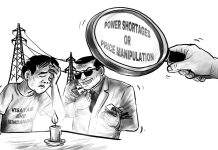
But 9/11 was also about governance. America faced questions of preparedness — how such a massive intelligence failure could occur, and how billions spent on defense could not prevent four planes from being turned into weapons. These questions resonate with us today. In the Philippines, we confront our own crises: floods worsened by corruption, epidemics magnified by poor infrastructure, and energy shortages testing resilience. Just as America learned that vigilance must be paired with integrity, we too must recognize that disasters expose systemic weaknesses in governance and accountability.
Consider the parallel between 9/11 and our current flood crisis. In both cases, ordinary people bore the brunt of leadership failures. In the US, citizens paid the price of intelligence lapses. In the Philippines, evacuees wade through waist‑deep water while hearing of billions allegedly siphoned from flood control projects. The connection is stark: when governance falters, lives are lost — whether to terrorism or calamity. Trust in institutions erodes, and rebuilding that trust requires transparency, accountability, and reform.
For today’s students, 9/11 is history, not lived memory. They encounter it in documentaries or textbooks, but not in personal experience. Yet its lessons remain urgent. Extremism thrives where governance fails. Vigilance is not just about security but about integrity in leadership. And resilience is not only about rebuilding after disaster but about preventing disaster through foresight and honesty. Teaching these lessons to the next generation is essential, for they will inherit the responsibility of safeguarding both memory and governance.
The resonance of 9/11 also lies in its human stories. Firefighters who rushed into danger, passengers on Flight 93 who fought back, families who grieved yet rebuilt — all remind us that resilience is lived through courage, sacrifice, and solidarity. Filipinos know this resilience well. We see it in communities rebuilding after typhoons, in neighbors sharing food during floods, in health workers battling epidemics despite exhaustion. These stories of ordinary heroism echo the spirit of 9/11 remembrance.
As we mark the 25th anniversary, the challenge is to connect memory with action. Commemoration must inspire vigilance in our own context: demanding integrity in disaster funds, strengthening public health systems, and ensuring energy resilience. Corruption is as deadly as terrorism when it undermines public safety. History is not distant — it is a mirror reflecting the costs of failure and the value of trust.
Twenty‑five years after 9/11, the core lesson endures: vigilance and trustworthy governance are the strongest floodwalls against despair — whether the threat comes from terror, corruption, or calamity. (totingbunye2000@gmail.com)/PN