

ILOILO City – Recent data show a significant spike in dengue cases among children and young adults in Western Visayas, prompting the Department of Health (DOH) to intensify its dengue prevention efforts in schools and households.
From January 1 to July 27, 2024, the region recorded 8,445 dengue cases, marking an 88 percent increase from the 4,494 cases reported during the same period in 2023. Sixteen deaths have been reported so far.
Children between the ages of one to 20 years old are the most affected, with 5,703 cases reported.
Specifically, 3,060 cases were recorded among children aged one to 10, and 2,643 cases among those aged 11 to 20.
According to DOH Region 6, children aged one to 10 years constitute 36 percent of the total dengue cases, making them the most vulnerable group, followed by 11 to 20-year-olds who account for 31.3 percent of cases.
Dengue fever is a mosquito-borne tropical disease caused by the dengue virus. Symptoms typically begin three to 14 days after infection and may include a high fever, headache, vomiting, muscle and joint pains, and a characteristic skin rash.
In severe cases, dengue can develop into more serious conditions, such as dengue hemorrhagic fever or dengue shock syndrome, which can be life-threatening.
In response to the surge, DOH-6 organized a “Virtual Townhall on Dengue” on Wednesday, targeting teachers, parents, and caregivers.
Dr. Bea Camille Natalaray, head of the Emerging and Re-emerging Infectious Disease (EREID) and Aedes-Vector Borne Diseases Prevention and Control Program at DOH-6, emphasized the urgency of the situation.
“Our children are predominantly the patients in these dengue cases. It is crucial to focus on this age group, although other age groups are also affected,” said Natalaray.
She cited the three primary breeding habitats for mosquitoes that carry dengue: artificial containers like tires and jars; natural containers such as bamboo stumps and tree holes; and natural breeding sites including ponds and streams.
Natalaray also reminded the attendees about the peak biting times for dengue-carrying mosquitoes, which are early morning and late afternoon to early evening.
Highlighting the lack of a specific cure for dengue, Natalaray added, “Currently, treatment primarily involves hydration and managing symptoms. There is no known medical treatment to cure the disease itself.”
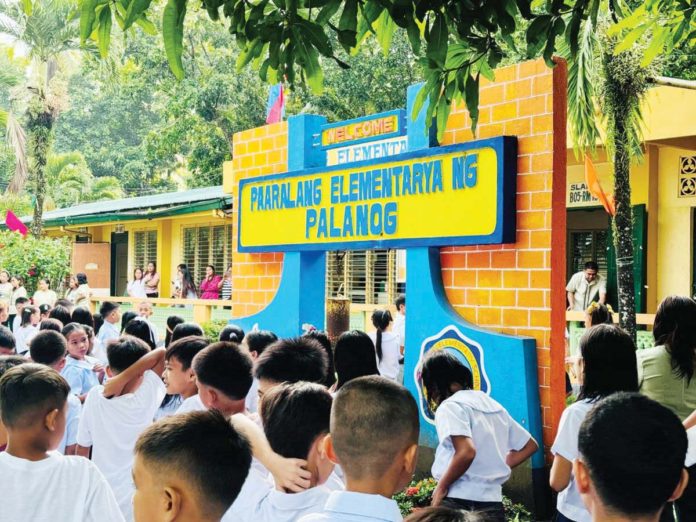
Hans Kristian Engana Eguico, a registered nurse and Health Program Officer II at DOH-6, encouraged educational efforts by teachers and parents to teach children how to prevent dengue.
He also emphasized the role of barangay officials in disseminating information and implementing the “5S strategy” — search and destroy; secure self-protection; seek early consultation; support fogging and spraying hotspot places; and sustain hydration.
Here’s the breakdown of dengue cases per province and highly urbanized city:
* Aklan – 1,158 cases with one death
* Antique – 579 cases with one death
* Capiz – 852 cases with one death
* Iloilo – 3,174 cases with six deaths
* Negros – 1,318 cases with five deaths
* Guimaras – 671 cases
* Iloilo City – 412 cases with one death
* Bacolod City – 281 cases ith one death/PN