

BACOLOD City — As residents across the Visayas continue to recover from the devastation brought by Typhoon “Tino”, and with Super Typhoon “Uwan” nearing landfall, environmental watchdog EcoWaste Coalition and the Bacolod City Government have jointly urged the public to refrain from burning post-disaster debris.
In a statement released Friday, November 7, Aileen Lucero, National Coordinator of EcoWaste Coalition, emphasized that burning debris poses serious risks to human health and the environment.
“Our hearts go out to the communities devastated by Super Typhoon ‘Tino.’ As families pick up the pieces, we appeal to everyone not to burn ‘Tino’s’ debris as this may further put their health at risk. Please work with your local authorities in ensuring the ecological management of post-typhoon waste in your neighborhood,” Lucero said.
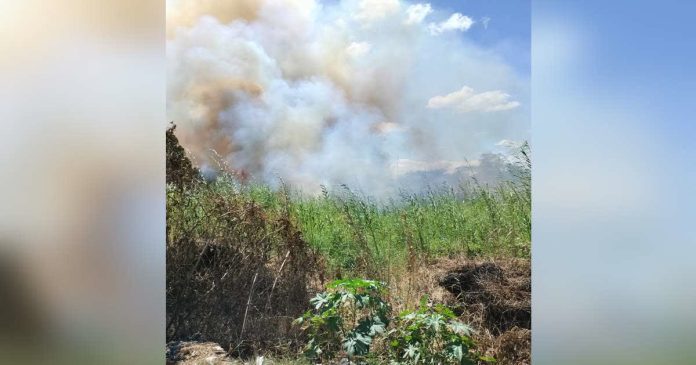
The call echoed a similar warning from Mayor Greg Gasataya, following reports of thick smoke observed in several parts of Bacolod City on the night of November 6. The Bureau of Fire Protection (BFP) confirmed that the smoke was most likely due to the burning of fallen trees and branches cleared after the typhoon, and not from fire incidents.
“Please avoid burning debris in your backyards. This practice is prohibited by law and can cause health and safety problems for our community,” Mayor Gasataya said.
He encouraged residents to gather and pile cleared debris for collection by garbage trucks, rather than burning it.
Both EcoWaste Coalition and the city government reminded the public that open burning is illegal under Republic Act 8749 (Clean Air Act) and Republic Act 9003 (Ecological Solid Waste Management Act). The laws prohibit burning any materials that release toxic fumes or harmful pollutants, including post-disaster waste.
According to EcoWaste Coalition, open burning releases harmful substances such as dioxins, furans, particulate matter, heavy metals, formaldehyde, and greenhouse gases, which can trigger respiratory ailments, asthma, bronchitis, skin and eye irritation, heart attacks, and cancers.
The World Health Organization (WHO) also warns that exposure to dioxins and furans can cause reproductive and developmental problems, immune system damage, hormone interference, and cancer. Vulnerable groups such as infants, children, the elderly, and people with pre-existing conditions are particularly at risk.
Instead of burning or dumping debris, residents are urged to practice ecological waste management by segregating, composting, and recycling materials that can still be reused. EcoWaste Coalition further stressed that everyone has a vital role in keeping communities clean, safe, and resilient.
The group reminded the public that by managing disaster waste responsibly, people can help protect one another’s health, safeguard the environment, and secure a sustainable future.
Meanwhile, the city government continues its road-clearing and cleanup operations to remove debris and fallen trees left in the typhoon’s aftermath, ensuring safer and cleaner neighborhoods for all residents./PN