



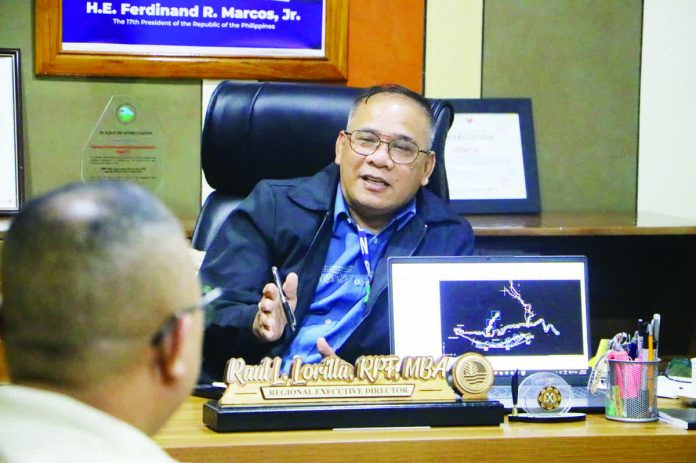
ILOILO — Marking the 25th anniversary of the Ecological Solid Waste Management Act of 2000, the Department of Environment and Natural Resources (DENR) in Western Visayas has called on households to take the lead in reducing waste, stressing that meaningful environmental change begins at home.
As the country observes Zero Waste Month this January, DENR regional executive director Raul Lorilla said that while policies and programs are in place, lasting impact depends on individual choices made daily inside Filipino homes.
“Happy Zero Waste Month! This year’s commemoration coincides with the 25th Anniversary of the Ecological Solid Waste Management Act of 2000. Twenty-five years have elapsed since the enactment of this pivotal legislation, and while significant progress has been made, there remains an enduring responsibility for us all. As the adage reminds us, ‘It is never too late for a new beginning,’” Lorilla said.
He emphasized personal responsibility as the foundation of sustainable living, noting that waste reduction does not require grand gestures but consistent, conscious decisions.
“We possess the power to refuse what we do not need,” Lorilla said.
“I urge every individual to take a moment to consider how we can make more informed choices that contribute to a sustainable future. Whether it involves using a reusable water bottle instead of purchasing single-use plastic or establishing a composting system at home, every small shift in behavior contributes toward a cleaner and healthier planet,” he added.
The Zero Waste Month observance also comes as DENR reported gains in its environmental management initiatives in 2025, including the establishment of place-based ecosystem accounts, consolidation of key ecological data, and the creation of detailed land maps to guide sustainable resource use.
The agency said these efforts highlight the importance of collaboration among government units, communities, and other stakeholders in protecting natural resources.
DENR-6 reiterated its call for the public to recommit to waste reduction, resource conservation, and environmental accountability, saying collective action remains crucial in safeguarding the country’s natural heritage for future generations./PN