

MANILA — President Ferdinand “Bongbong” Marcos Jr. has approved a sweeping overhaul of the public school calendar, shifting to a three-term academic structure beginning School Year 2026–2027 in a move aimed at minimizing disruptions and improving learning continuity nationwide.
The reform, endorsed during the eighth meeting of the Economic and Development Council on March 19 at Malacañang, is designed to address recurring class interruptions caused by natural calamities and overlapping national events, while streamlining instruction and easing teachers’ workload.
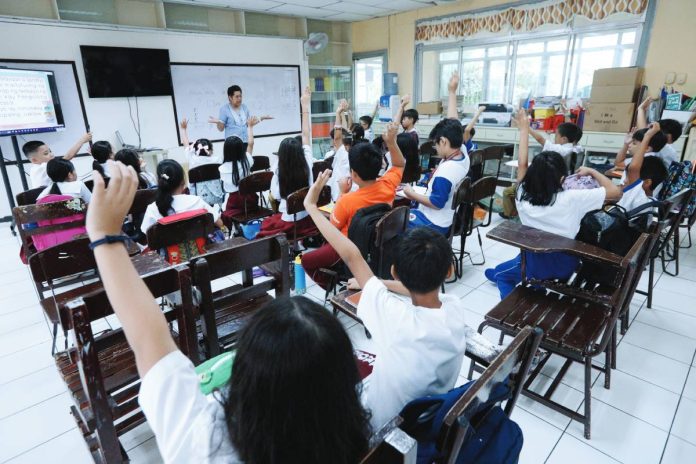
The new system replaces the traditional four grading periods with three academic terms, each structured to provide longer and more continuous teaching cycles.
Under the revised calendar, the first term will include 54 instructional days and a 10-day assessment period, which includes a five-day opening block.
The second term will consist of 55 instructional days and a similar 10-day evaluation phase, while the third term will run for 61 instructional days with a shorter six-day assessment period.
Education authorities said the shift is expected to reduce disruptions in lesson delivery, improve pacing, and provide built-in recovery time for students affected by class suspensions.
Teachers are also expected to benefit from the removal of one grading cycle, which is seen to ease workload demands. The revised setup will include consolidation periods and up to 32 hours for professional development, as well as scheduled wellness breaks.
The Department of Education said preparations are underway for the rollout in School Year 2026–2027, noting that consultations with stakeholders had been conducted prior to the approval of the new structure.
Despite the changes, Marcos underscored the importance of maintaining the required 180-day contact period for both learners and educators.
He also directed the Department of Education to ensure that the new calendar addresses the needs of struggling students, aligns with the semestral system in Senior High School, and guarantees the readiness of schools nationwide.
The reform forms part of the administration’s broader push to improve education quality while ensuring continuity of learning amid frequent disruptions./PN