



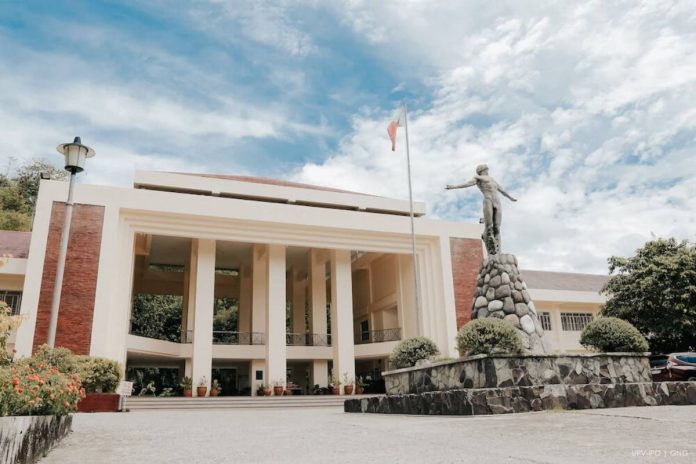
ILOILO City — The University of the Philippines Visayas (UPV) emerged as one of the country’s top-performing institutions in the May 2026 Environmental Planners Computer-Based Licensure Examination. All 35 of its examinees passed, giving the university a 100-percent passing rate.
The achievement placed UPV among an elite group of schools that recorded perfect passing rates in the licensure examination, underscoring the university’s growing reputation in environmental planning education at a time when demand for experts in sustainable development and land-use management continues to rise nationwide.
UPV shared the distinction with the University of the Philippines Open University and the University of the Philippines Diliman, which also registered 100-percent passing rates in the examination administered by the Professional Regulation Commission (PRC).
The PRC reported that 537 out of 555 examinees nationwide successfully passed the licensure examination, which was conducted by the Board of Environmental Planning in testing centers across the country, including Iloilo City.
Other examination venues were located in Baguio, Butuan, Cagayan de Oro, Cebu, Davao, Koronadal, Legazpi, Lucena, Rosales, and Tuguegarao.
UPV’s perfect performance highlights the rigorous academic training and preparation provided to environmental planning students and reflects the institution’s commitment to producing professionals capable of addressing complex environmental and urban development challenges.
The accomplishment comes as the country faces increasing concerns over environmental sustainability, urban expansion, climate resilience, and land-use management, areas where environmental planners play a critical role in shaping policies and guiding development initiatives.
The Environmental Planner Licensure Examination serves as the national benchmark for individuals seeking certification as Environmental Planners. It evaluates the competence of candidates who aspire to lead, develop, and implement sustainable land-use and environmental programs in both the public and private sectors./PN