


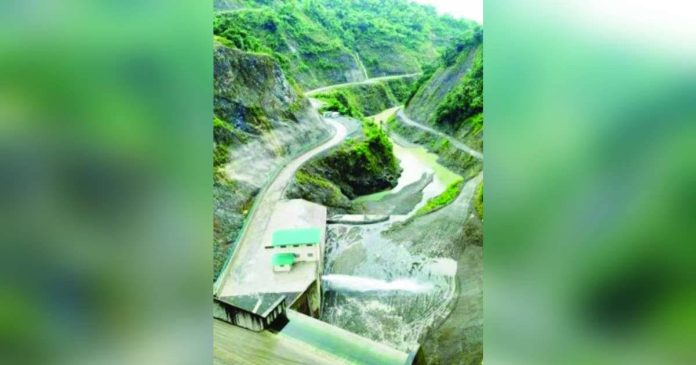
ILOILO City – The National Irrigation Administration (NIA) has announced that the Jalaur River Multi-Purpose Project Stage II (JRMP II), the biggest irrigation infrastructure project in Iloilo located in Calinog town, is now 86.16 percent complete, with construction on track for completion by the end of 2027 and full commercial operations beginning in 2028, bringing the province closer to a major agricultural transformation.
The milestone places the multibillion-peso irrigation project firmly on schedule and strengthens government expectations that the facility will significantly boost food production, provide year-round irrigation, generate jobs, and improve the livelihoods of thousands of farmers across Iloilo and Western Visayas.
NIA Region 6 manager Engineer Jonel Borres said the remaining infrastructure works remain on schedule, while project completion activities will continue until December 2027.
He explained that completing the project involves more than finishing physical structures, as NIA must also complete turnover requirements, documentation, institutional preparations, and other “soft components” before declaring the project fully operational.
“That’s why na-mention namon nga by 2028, fully operational na ini. Operational phase is different from completion phase. Ang completion phase, may civil works and infrastructure components. May mga soft components kita. So amo na nga June to December 2027, tanan-tanan plastar naton, turn over sang facilities. Ang aton nga mga irrigation associations, plastaron ina naton tanan pag-complete sang submission sang mga documents. Plastaron man naton ang ang aton nga IPs (indigenous peoples),” he added.
Once the project enters its operational phase, Borres said management will shift from the contractor to NIA and its beneficiaries, particularly farmers, irrigators’ associations, and Indigenous Peoples living within the project area.
Borres said the project timeline was previously extended after disruptions caused by the COVID-19 pandemic, with the extension approved by the then National Economic and Development Authority.
JRMP II is considered a key component of President Ferdinand Marcos Jr.’s food security agenda. Once operational, it is expected to provide a stable year-round irrigation supply, increase crop production, strengthen climate resilience, create employment opportunities, and stimulate economic activity in rural communities.
Borres said NIA continues to closely monitor the project and regularly consults stakeholders to immediately address right-of-way, environmental, and other implementation concerns.
“The successful realization of JRMP II holds the promise of setting a new standard for food security and economic resilience, impacting countless families who rely on agriculture for their livelihoods,” Borres said./PN