


EIGHT years after his passing, the name Daniel G. Fajardo remains inseparable from the history of Panay News.
He was the founder who built a newspaper, the businessman who steered an institution, and the publisher whose name became familiar to generations of journalists and readers across Western Visayas.
But to his nieces and nephews, Daniel—fondly called “Sir DF”—was something more personal.
He was an uncle who became a second father.
A mentor who taught through both words and example.
A protector who showed up when the family needed him.
And, perhaps most importantly, a man who made people feel that they mattered.
For his family, Fajardo’s legacy cannot be measured by the pages of Panay News or the institution he left behind. It lives in the education he helped provide, the opportunities he opened, the problems he helped solve, and the values he quietly passed on.
His greatest stories, they say, were not the ones printed in the newspaper.
They were the lives he touched.
A second father
For Dana Fajardo Legaspi, having Sir DF as an uncle meant having another father figure who was always there.
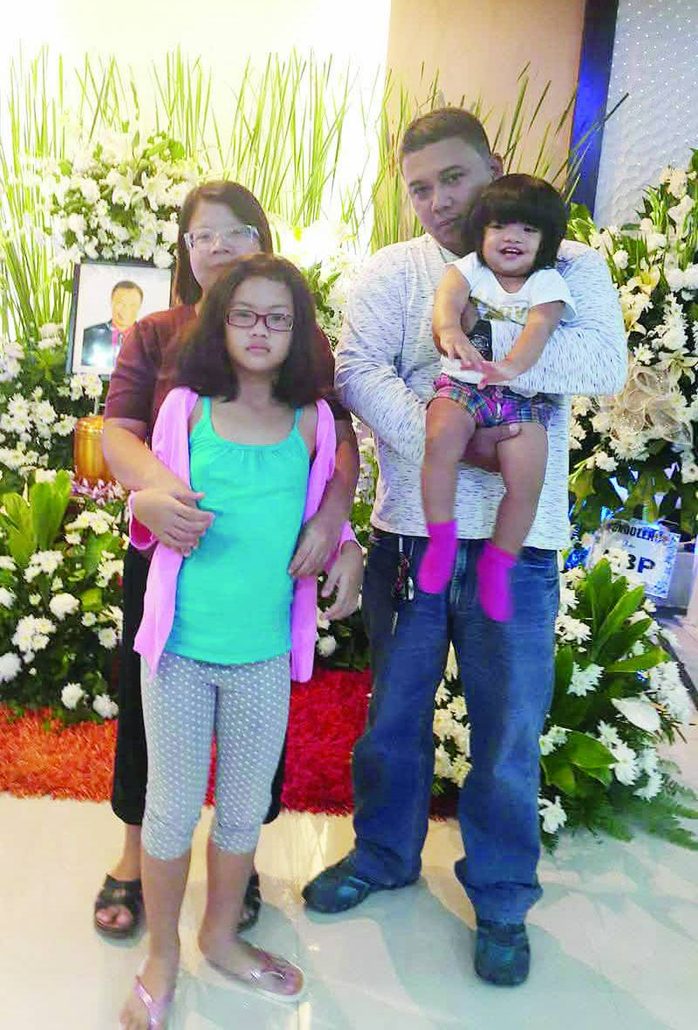
Despite already having six children of his own, Fajardo made sure that Dana and her siblings felt loved, cared for and guided.
“Uncle Danny was more than an uncle to us; he became a second father,” Dana recalled.
His support extended to their education. Through his sacrifices, Dana was able to finish school and become a Panay News scholar during college.
“He gave us not only support, but also hope for a better future,” she said.
“I will always be grateful that he chose to be there for us when we needed him most.”
For Dana, however, her uncle’s greatest lessons were not necessarily taught in a classroom.
Some were learned during long nights at work.
While she was still in school, Fajardo taught her how to work in his businesses. There were nights when she stayed until morning helping with computers and layouts for Panay News and Hublas.
Being surrounded by journalists and other employees at such a young age became an education in itself.
“He taught me to work fast without compromising quality, and to always take pride in what I do,” she said.
But beyond work, he taught her how to face people and life.
He reminded his nieces and nephews never to be intimidated by people simply because they were successful, wealthy or well-known.
“He taught me to never be intimidated by successful or well-known people because, at the end of the day, we are all human and equal,” Dana said.
He taught them to work hard, never be lazy and take pride in whatever they did.
Yet alongside those lessons was another: Be kind—but do not allow kindness to make you vulnerable to people who would take advantage of you.
Those were lessons Dana carried into adulthood.
A family beyond blood
For Geovanni Fajardo, Sir DF was a pillar of the family whose kindness and generosity made people feel valued.

“He had a way of making everyone feel valued and loved, ensuring that no one was ever left behind,” Geovanni said.
When life became uncertain, Fajardo did not always try to provide immediate answers.
Sometimes, he simply listened.
During a difficult period when Geovanni felt lost and unsure of which direction to take, his uncle offered something just as important as advice: reassurance.
“He listened to me and shared words of encouragement that gave me courage to move forward,” Geovanni recalled.
Fajardo reminded him that difficult moments did not have to be faced alone.
“He reminded me that I was never alone, and that family would always be my foundation,” he said.
That same sense of security was remembered by Vladi F. Borja, who described Fajardo as a mentor, protector and greatest supporter.
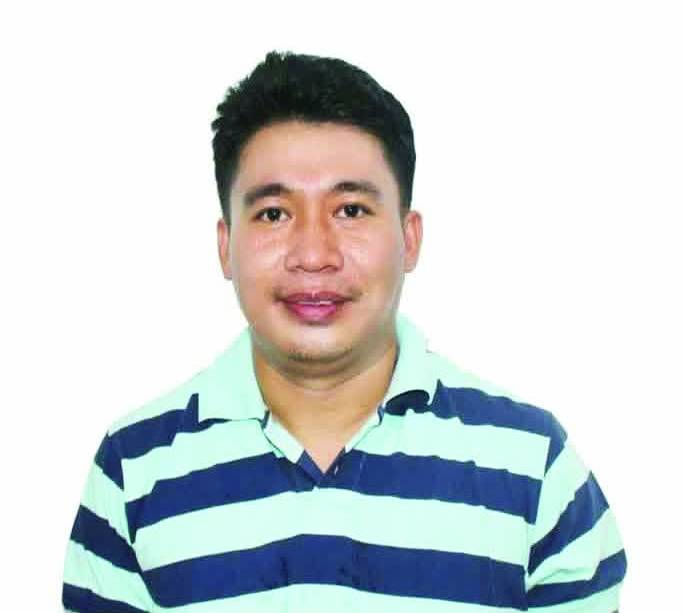
“Sir DF was more than just an uncle—he truly became a second father to me,” Borja said.
He remembered him as warm and gentle, someone who was always ready to guide, encourage and comfort her.
“He loved me selflessly, just like his own child, and always made me feel safe, valued and loved,” she said.
What made their relationship special was not merely their shared family name.
“He didn’t just share our family name; he shared his wisdom, his time, and his whole heart with me,” Borja said.
‘Every problem has a solution’
Fajardo’s influence also extended to relatives who eventually became part of the Panay News family.
For Roanie Dunggon, one of her happiest memories was when Fajardo approached her father and expressed his desire for her to work at Panay News.
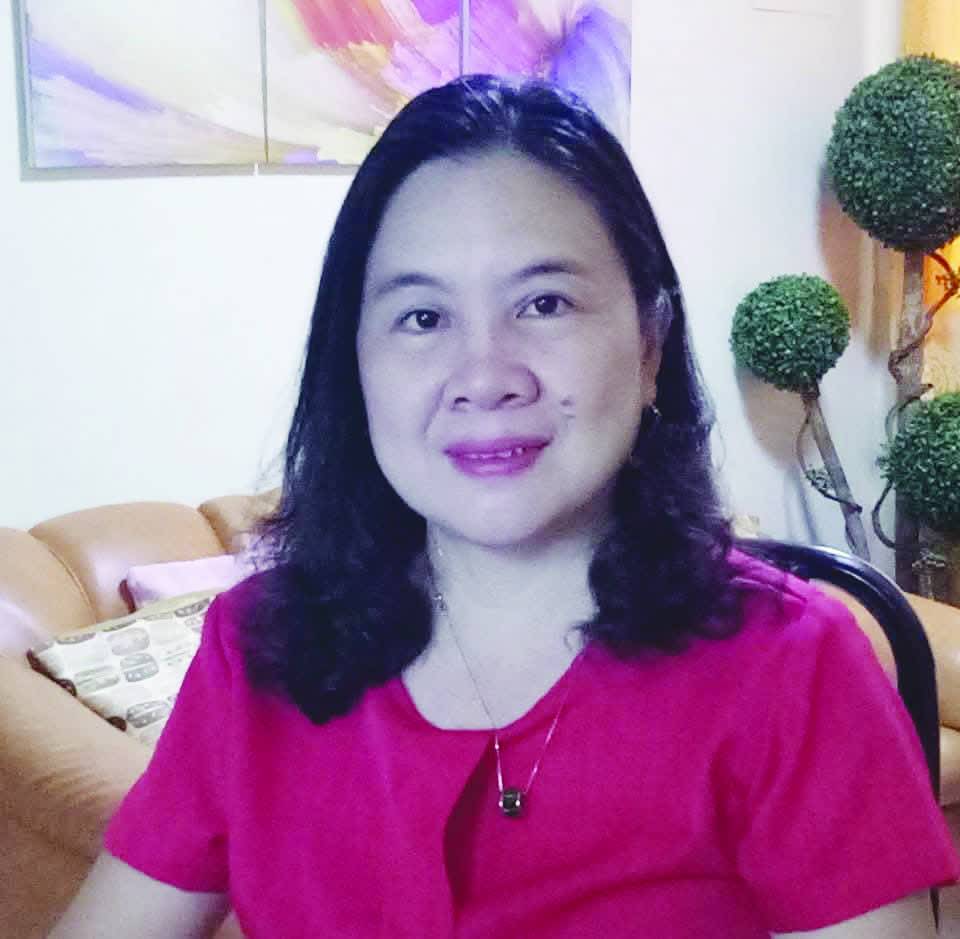
The opportunity became another turning point.
At the newspaper, he taught her more than the responsibilities of a job.
“He trained me to be confident, strong and courageous,” Dunggon said.
He emphasized hard work and punctuality. He taught her to remain calm under pressure and, whenever possible, to address problems immediately.
His philosophy was simple: “Every problem has a solution.”
It was a principle that stayed with her.
When Dunggon’s father died, Fajardo’s role as an uncle became even more meaningful.
She recalled how he supported their family financially and emotionally, often extending help without being asked.
“I am grateful that Uncle Danny was there to support our family through such a difficult time,” she said.
“His support made a heavy burden a little lighter for us.”
The strict uncle with a soft heart
For all the stories of Fajardo’s generosity and tenderness, he was not always the soft-spoken uncle.
To Jasper Fajardo, Sir DF could be strict—and his advice was often delivered with the kind of humor that made it unforgettable.
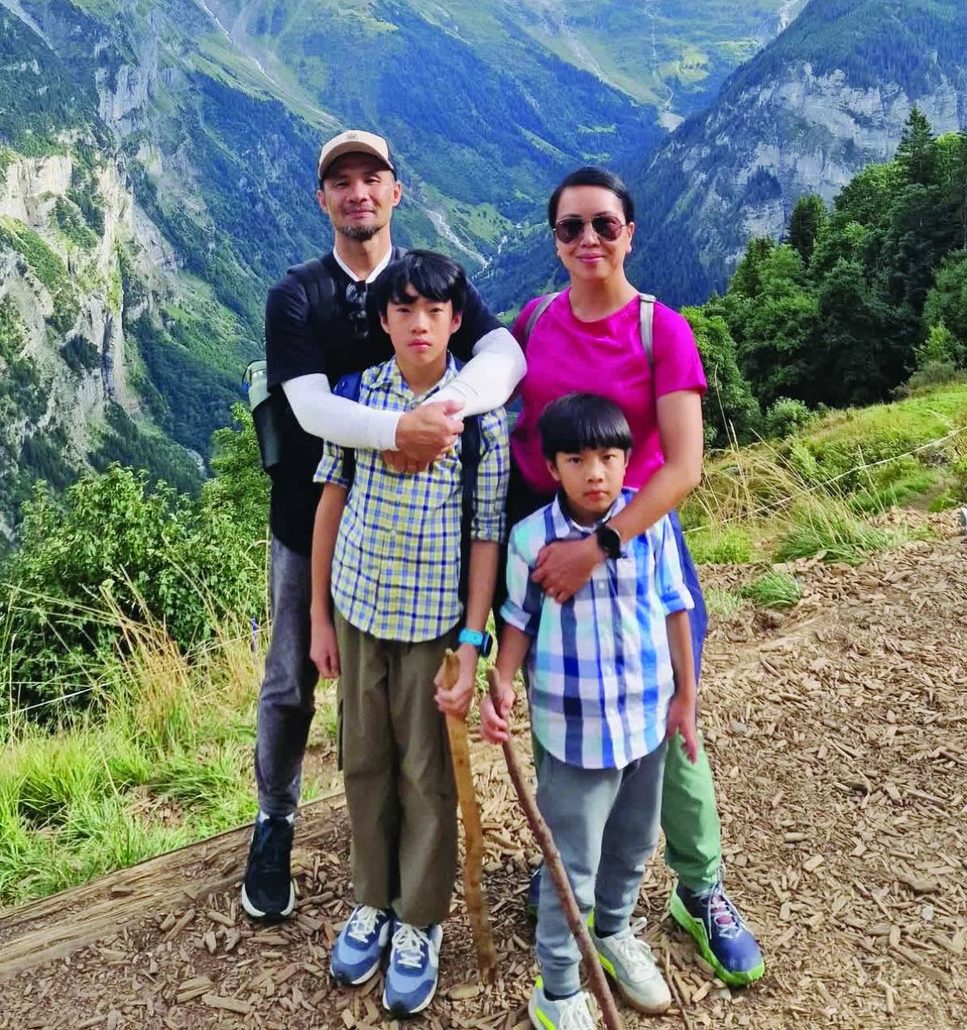
Jasper still remembers one of his uncle’s colorful warnings:
“Indi gid ako kuno mangasawa ka imol kay magutman ako.”
Behind the joke was a practical lesson about choosing wisely and learning how to survive.
Fajardo also reminded him that success should not be measured solely by wealth.
For him, being able to stand on one’s own feet—and, as Jasper put it, simply being able to eat—was already something to be grateful for.
And then there was his advice about politics.
“Jappy, indi lang ta da mag-entra sa politika. Wala na pulos. Kuhaon ta lang kwarta nila,” Jasper recalled with a laugh.
The humor may have been characteristically DF, but the message beneath many of his jokes was serious: Learn how the world works. Work hard. Know how to survive. And do not make unnecessary complications out of life.
Years later, Jasper said he may not have become rich, but he considers himself successful in the way his uncle taught him to understand success.
“I am not rich, but what is important is that I can eat,” he said.
The man who showed up
Eight years after Fajardo’s death, what his family misses most is not the newspaper publisher or businessman.
It is the man who showed up.
Dana misses his presence and the way he continued to support her even after she got married. She remembers how he loved her daughters as though they were his own grandchildren.
“What I will always remember most is his generosity,” she said.
“He was always willing to help, whether financially or emotionally, even when he had his own struggles. He gave without expecting anything in return and made people feel that they were never alone.”
Geovanni misses his warmth and the little things Fajardo remembered about every member of the family.
Borja misses his stories, his advice and, above all, the feeling of safety she had whenever he was around.
Dunggon remembers the calls for what he jokingly called “separate business transactions”—work outside her regular duties that she was nevertheless always willing to take on because they came from him.
These memories reveal a man whose influence was rarely loud or ceremonial.
It was personal.
He helped relatives finish school. He gave them opportunities to work. He taught them how to work. He offered financial assistance during difficult times. He listened when someone was lost. He gave advice—sometimes sternly, sometimes humorously—and he made people outside his immediate household feel that they belonged.
That may be the most enduring part of Daniel G. Fajardo’s legacy.
Yes, he founded a newspaper.
He built an institution that continues to tell the stories of Western Visayas.
But for the people who knew him as family, his most important legacy was never printed in black and white.
It was found in the lives he helped build.
“He was a loving uncle, a second father, and a kind-hearted person whose generosity touched so many lives,” Dana said.
Eight years may have passed since Daniel Fajardo’s final story was written.
But his family continues to tell it.
And perhaps that is the greatest tribute of all.
His life became a story carried not by ink, but by the people who continue to live by the lessons he left behind./PN
captions
Dana Fajardo Legaspi and family
Geovanni Fajardo
Vladimir F. Borja
Roanie Dunggon
Jasper Fajardo and family