


[av_one_full first min_height=” vertical_alignment=” space=” custom_margin=” margin=’0px’ padding=’0px’ border=” border_color=” radius=’0px’ background_color=” src=” background_position=’top left’ background_repeat=’no-repeat’ animation=”]
[av_heading heading=’‘Public attitude on disasters changing’’ tag=’h3′ style=’blockquote modern-quote’ size=” subheading_active=’subheading_below’ subheading_size=’15’ padding=’10’ color=” custom_font=”][/av_heading]
[av_textblock size=” font_color=” color=”]
ILOILO City – Disaster preparedness in Western Visayas, both in system and people’s attitude, improved according to the Regional Disaster Risk Reduction and Management Council (RDRRMC).
Projects like the NOAH which can trace and monitor typhoons and release alerts to target areas and hazard maps and other devices that educate people on geological and other hazards contribute to a much effective preparedness system, said Ryan Dumpit, member of RDC’s committee on preparedness and mitigation.
Project NOAH is the Philippines’ primary disaster risk reduction and management program under the Department of Science and Technology (DOST). It harnesses technologies and management services.
“Social media apps and networks can now disseminate information fast,” added Dumpit, also a science research specialist at the DOST – Region 6.
Meanwhile, Rosario Sanagustin, social welfare officer of the Department of Social Welfare and Development and a member of the RDC committee on response, said 2013’s super typhoon “Yolanda” taught people to be vigilant and prepared.
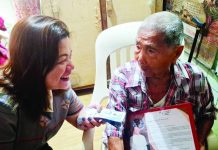
Even in responding to calamities such as the delivery of relief goods and psycho-social services, social workers became more efficient, she observed.
“Our social workers are trained to handle stress and other difficulties,” Sanagustin said.
Meanwhile, Ma. Lourdes Miado, chief economic development specialist of the National Economic Development Authority representing the committee on recovery and rehabilitation, said preparedness in various levels of governance is evident.
“Now the local government units have disaster management plans which detail their preparations and actions, and they are much aware of the need to prepare for disasters,” Miado said.
She added that local officials undergo trainings and drills with their constituents, on top of allocating resources for all phases of disaster management.
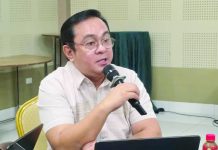
Dumpit, Sanagustin and Miado were guests during the television program “Buylog sa Pagpangaman, “ a joint information and education campaign on disaster preparedness and management of the Office of Civil Defense, Central Philippine University and the Philippine Information Agency.
They noted that the attitude of most people have also changed as far as disaster preparedness is concerned.
“They have become interested in learning and understanding warning systems, even hazard maps and the social media from where they can get the information,” Dumpit said.
“From our end, we observed many people have learned not to just to depend on government to respond to their needs after the calamity,” Sanagustin said.
Miado said time will come when they don’t have to do recovery and rehabilitation as people have become resilient, out of being capacitated to be prepared, hence, impacts of disasters are well mitigated. (PIA-Iloilo/PN)
[/av_textblock]
[/av_one_full]