


THE DRY SPELL is scorching not just Western Visayas’ farmlands. It is exposing a weakness in government preparedness — the tendency to confront predictable disasters with emergency meetings, improvised funding and interventions that come only after the damage has been done.
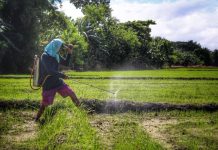
With agricultural losses already reaching P465.7 million, the El Niño phenomenon has become a serious threat to food security and livelihoods. According to the Office of Civil Defense, some 7,760 farmers and fisherfolk in Western Visayas have been affected, along with 4,559 families representing 22,795 individuals. Capiz has suffered P307 million in agricultural damage, while Iloilo has recorded P155 million.
And the worst may be yet to come. The Philippine Atmospheric Geophysical and Astronomical Services Administration expects a very strong El Niño to persist through the first half of 2027.
Yet amid these projections, one admission stands out: There is still no finalized consolidated budget specifically for El Niño mitigation.
How can a region facing a foreseeable agricultural catastrophe still be scrambling to determine how much money it needs to fight it?
This is the difference between disaster preparedness and disaster reaction. Preparedness prevents suffering. Reaction counts the losses afterward and desperately searches for money.
Government agencies may be coordinating interventions, but coordination without adequate funding accomplishes little. Farmers cannot irrigate their fields with meeting resolutions. Families cannot survive on promises of assistance.
What Western Visayas urgently needs is a properly funded, aggressively implemented drought response. Local governments must strengthen irrigation support, secure emergency water supplies and accelerate assistance to affected farmers. National agencies must release resources without bureaucratic delays.
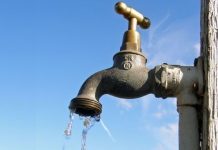
Long-term investments in water storage, drought-resistant crops and climate-resilient agricultural infrastructure are equally indispensable. Water conservation must also be enforced, alongside efforts to eliminate leaks and inefficiencies in distribution systems.
The November 20 coordination meeting of the Office of Civil Defense Region 6 must produce concrete funding commitments, clear responsibilities and measurable deadlines — not another inventory of problems.
The public deserves answers. How much money is available? How much more is needed? And how soon will assistance reach struggling communities?
Every additional hectare of destroyed farmland means lost income, threatened food supplies and another family pushed closer to poverty.
El Niño may be a natural phenomenon, but government complacency can turn it into a far greater human catastrophe.
We cannot stop the drought. But we can stop incompetence, bureaucratic delay and inadequate preparedness from making its consequences worse.
The warning is already here. The losses are mounting. The clock is ticking.
The real calamity would be allowing a predictable drought to become a preventable catastrophe through government inaction.