


ILOILO Province has every reason to celebrate its remarkable agricultural performance. Its production figures are impressive.
But if Iloilo is Western Visayas’ agricultural powerhouse, why should its farmers remain vulnerable to poverty, unpredictable markets and the uncertainties of nature?
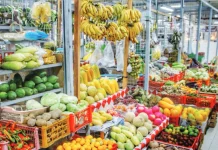
As reported by this paper, the latest preliminary figures from the Philippine Statistics Authority (PSA) paint an impressive picture. During the second quarter of 2026, Iloilo dominated 11 of Western Visayas’ 12 major fruit, vegetable and root crop categories. It accounted for an astonishing 97.8 percent of the region’s pepper production, 95.8 percent of pineapple output and 90.6 percent of tomato harvests.
Even more remarkable was the 495.5-percent surge in regional pepper production, which reached 2,630 metric tons. Iloilo also supplied 89.8 percent of the region’s eggplant harvest and 52.4 percent of its mango production.
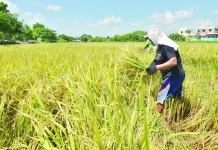
These figures establish Iloilo as the undisputed agricultural powerhouse of Western Visayas. They speak volumes about the province’s fertile lands, favorable growing conditions and, above all, the perseverance of its farmers.
But agricultural supremacy should never be measured by production volumes alone. The real measure of success is whether those who cultivate the land are enjoying the fruits of their labor.
What good is producing thousands of metric tons of vegetables and fruits if farmers are forced to sell their harvests at miserable farmgate prices? What good is dominating regional production if inadequate storage facilities, inefficient transportation and exploitative middlemen continue to diminish farmers’ earnings?
These are questions that the provincial government and agricultural authorities must confront.
The PSA figures also contain warning signs that should not be overlooked. Regional production of eggplant declined by 5.3 percent, cassava by 7.8 percent, sweet potato by 4.9 percent, banana by 5.3 percent and watermelon by a troubling 11.6 percent.
These contractions demonstrate that agricultural dominance does not guarantee agricultural resilience. Climate uncertainties, production costs, pests, diseases and market instability remain threats that demand sustained government intervention.
Iloilo cannot afford to rest on its agricultural laurels.
The provincial government must translate its impressive production performance into a comprehensive strategy that prioritizes irrigation, farm-to-market roads, postharvest facilities, cold storage, crop diversification and stronger market linkages.
Equally important is protecting farmers from devastating losses during droughts, floods and other calamities. Agricultural insurance, accessible financing and timely technical assistance should become indispensable components of provincial agricultural development.
There must also be greater investment in agricultural processing and value-adding enterprises. Instead of merely supplying raw produce to markets, Iloilo should develop industries capable of transforming its agricultural abundance into higher-value products, generating employment and increasing farmers’ incomes.
Above all, agricultural development must be farmer-centered, not merely production-driven.
Government officials may proudly announce record harvests, impressive percentages and regional rankings. But these accomplishments ring hollow when the people responsible for them struggle to make ends meet.
The ultimate triumph of Iloilo agriculture will not be found in statistical tables but in farmers who can finally earn enough to provide their families with decent lives.
Iloilo has already demonstrated that it can feed a substantial portion of Western Visayas. The greater challenge now is ensuring that the province’s agricultural prosperity also nourishes the economic well-being of its farmers.
For a province that produces so much, allowing its farmers to remain poor would be the cruelest contradiction of all.