

By Vicente Villavert
SAN JOSE, Antique – An official of the Provincial Disaster Risk Reduction and Management Office (PDRRMO) here urged government personnel, employees and the public to participate in the National Simultaneous Earthquake Drill (NSED) tomorrow at the Provincial Capitol.
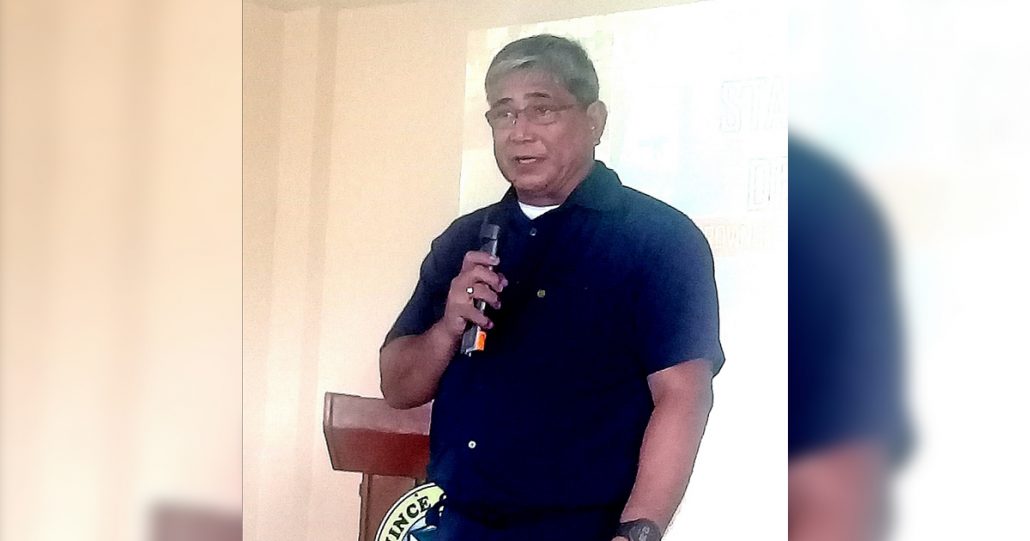
“As part of the learning experience, we will wait for the alarm of the siren as our signal considering that we really do not know when and where the earthquake will occur. This way, we will experience how to respond to the impact of the earthquake,” PDRRMO official Broderick Train on Monday said, adding that the drill is significant to raise awareness to the people as envisioned by the NSED.
Lone District Rep. and Deputy House speaker Loren Legarda, meanwhile, urged the local government units to take the initiative in strengthening earthquake preparedness measures.
“Earthquakes turn into major disasters due to unsafe and poorly built structures, inappropriate site location of infrastructure projects, inadequate design and materials specification, and shortcuts in construction,” Legarda said.
The government must ensure that all public structures, especially bridges, school buildings and hospitals, are earthquake-proof through the conduct of a nationwide structural evaluation and by retrofitting these structures to allow them to withstand destructive natural occurrences such as earthquakes,” she added.
“The additional expense required for making structures safe from earthquakes is essentially a good investment especially if it will save thousands of precious lives,” she said.
She added that other priority steps in earthquake preparedness include the regular conduct of safety drills; establishment of an early warning system for earthquake and tsunami; determining open spaces for safe refuge; and ensuring that back-up systems of vital utilities are in place for speedy recovery and rehabilitation efforts, and a ready evacuation plan in every barangay in the country.
“We cannot predict when an earthquake will occur. Therefore, we must always remain vigilant for more aftershocks and other effects of the temblor,” said Legarda.(With PIA/PN)