


ILOILO City – Metro Pacific Iloilo Water, Inc. (MPIW) is preparing approximately 25 million liters per day (MLD) in additional and recovered water as part of its measures to cushion the potential impact of El Niño on Metro Iloilo’s water supply.
The preparations draw from MPIW’s experience during the 2024 El Niño, when combined water production dropped to a low of approximately 54 MLD, compared with its normal production of around 80.95 MLD.
Given the expected strong impact of the current El Niño, MPIW is using its 2024 experience as a planning reference while putting additional supply, water recovery, and contingency measures in place to strengthen preparedness for potentially more severe supply conditions.
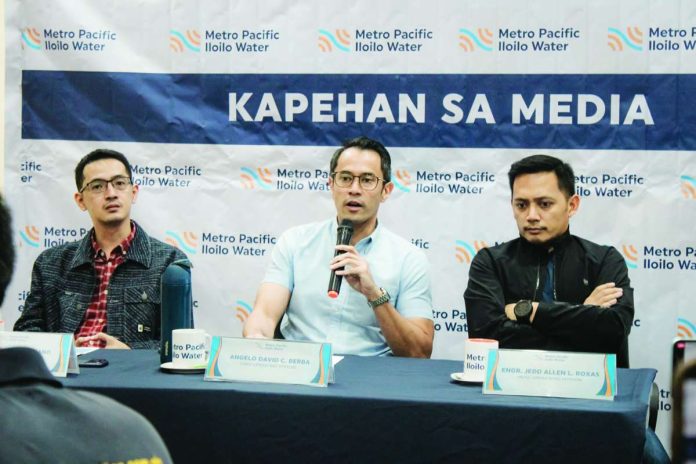
“We cannot predict exactly how El Niño will affect our water sources, but we can prepare for it. Our focus is to put the necessary measures in place early so we can respond quickly if supply conditions become challenging,” said MPIW chief operating officer Angelo David C. Berba.
MPIW is targeting approximately 25 MLD through three key measures:
* 5 MLD from modular desalination
* approximately 10 MLD from pipe replacement and Non-Revenue Water (NRW) reduction projects, and
* another 8 to 10 MLD from additional MIB wells.
By the end of 2026, MPIW targets to have an initial 1 MLD from modular desalination online and approximately 6 MLD recovered through NRW reduction projects, while development of additional wells continues.
If supply conditions similar to the 2024 El Niño low were to recur, the full implementation of these measures could help bring available supply to approximately 79 MLD, close to MPIW’s normal production level.
P5-billion water infrastructure program
Supporting these preparedness efforts is MPIW’s approximately P5-billion infrastructure program for 2026 to 2027, covering around 45 projects and 208 kilometers of pipelines expected to reach about 100 barangays and 221,000 people.
Of the total investment, approximately P410 million is allocated for NRW reduction initiatives, including pipe replacement, leak detection, repairs, and network improvements. These projects are targeted to recover approximately 10 MLD from 2026 to 2027.
MPIW is also pursuing longer-term supply solutions, including modular facilities, a planned 65 MLD desalination facility, and additional water sources from Metro Iloilo Bulk Water Supply Corporation (MIB). Together, these initiatives form part of the long-term plan to increase available water supply to approximately 236 MLD by 2029, subject to project timelines and required government approvals.
“This is not only about preparing for one dry season. We are building a more resilient water system that can support Iloilo’s growing water requirements in the years ahead,” Berba said.
Public patience and understanding sought
As infrastructure works continue across Iloilo, MPIW also acknowledged the temporary inconvenience to motorists, businesses, and communities caused by pipelaying, excavation, and road restoration activities in affected areas.
“We recognize the inconvenience these works may cause, but these are necessary improvements for a more reliable water supply. We ask for the public’s patience and understanding as we work to complete these projects as quickly and safely as possible,” said MPIW Engineering Division head Engr. Bryan Rubiano.
The projects are intended to replace and expand pipelines, reduce water losses, strengthen the distribution network, and improve the reliability of water service over the long term.
Contingency measures strengthened
MPIW currently has 20 water tankers, with 16 additional units available for deployment during El Niño, bringing its potential tanker capacity to 36 units. These are supported by nine tanker refilling stations.
The company will also maintain 24/7 supply monitoring and continuous leak detection and repair to minimize water losses and respond quickly to changing supply conditions.
MPIW will continue coordinating with government agencies, local government units, water suppliers, and other stakeholders and will provide regular updates on water supply conditions and the progress of its infrastructure projects./PN