
ILOILO City – After experimenting with the Iloilo Sports Complex as a major Dinagyang performance venue, organizers are bringing all judging areas of the festival’s 2027 edition back to the historic Calle Real and the City Proper, applying lessons from traffic congestion, logistical difficulties, security concerns and complaints over spectator accommodation during the 2026 celebration.
Dinagyang Festival is Iloilo City’s premier annual cultural and religious celebration honoring the Santo Niño (Child Jesus), highlighted by elaborate Ati-inspired trial dance performances, pulsating drumbeats and colorful costumes.
Traditionally held in the City Proper, Dinagyang draws thousands of residents, devotees and tourists to downtown Iloilo for its major competitions and other activities.
The Iloilo Festivals Foundation, Inc. (IFFI) said the return to Dinagyang’s traditional downtown setting is intended to make the 2027 celebration more accessible to spectators while simplifying the movement of competing tribes and allowing security forces to concentrate operations within the city center.
“We will bring everything back to Calle Real. There will no longer be a judging area at the Iloilo Sports Complex. Everything will be brought back to the City Proper, including the Dinagyang Food Festival,” IFFI chairman Judgee Peña said during a consultative meeting on preparations for Dinagyang 2027.
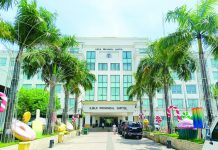
For next year’s festival, IFFI identified five judging areas: the Iloilo Freedom Grandstand, Iloilo Provincial Capitol, Quezon-Ledesma Street, Mabini-De Leon Street, and Iznart Street.
The decision effectively reverses the previous setup that extended major festival activities to the Iloilo Sports Complex in La Paz district.
Peña acknowledged that while the Iloilo Sports Complex arrangement offered some advantages, it also raised concerns among festivalgoers.
“There were good things that came out of it, and there were also concerns from our people. We want everyone to be comfortable. This time, there should be no more reason to complain because everything will be in Calle Real. This has been the tradition from the beginning,” Peña said.
IFFI president Dr. Ronald Latap said the Iloilo Sports Complex was initially considered an innovation aimed at accommodating more spectators, but organizers eventually saw its drawbacks.
“It had several negative effects, such as traffic in La Paz and Jaro districts, as well as from Jalandoni going to Mandurriao,” Latap said.
Moving participating tribes between the City Proper and La Paz also complicated festival logistics.
“It is one of the lessons we learned,” he said.
The return to Calle Real is also expected to streamline security operations by eliminating the need to spread personnel across widely separated festival venues.
“This time, our security team will just focus on the City Proper. Security operations will no longer be spread out over a wide area,” Latap said.
‘BANDERITAS’ RETURN
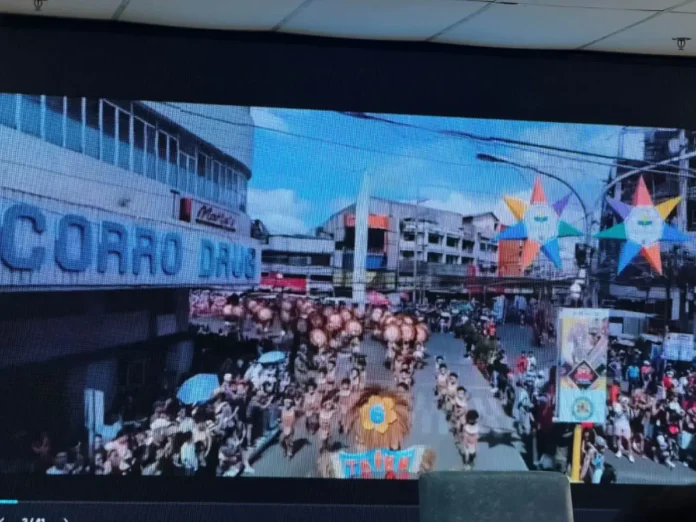
Along with Dinagyang’s return to its traditional downtown setting, another familiar element of the festival will make a comeback — the colorful banderitas.
IFFI said banderitas will again decorate selected portions of General Luna, Quezon and Iznart streets, although they will not be installed throughout the entire festival area.
Latap said sourcing the traditional plastic decorations has become difficult because some sponsors no longer manufacture plastic materials. Organizers are instead pushing for more environmentally friendly alternatives.
“Sometimes, this is beyond our control because the sponsors themselves no longer manufacture plastic materials. But this year, we are encouraging them to use banderitas made from indigenous materials, such as paper or biodegradable materials,” Latap said.
“Not all streets will have banderitas, especially JM Basa. But we have made some modifications. We had lanterns made from indigenous materials to make the area more festive,” he added.
The changes signal a deliberate return to Dinagyang’s traditional city-center character while incorporating lessons from the previous celebration and addressing problems involving traffic, logistics, security and spectator access.
For 2027, organizers are betting that bringing Dinagyang back to the streets where it built its identity will also bring spectators closer to the action — and restore the familiar atmosphere that has long defined one of Iloilo City’s biggest festivals./PN