


ILOILO City – They say men are built to endure — to “tough it out” through pain, exhaustion, and stress. But this same mindset, according to the Department of Health (DOH) in Western Visayas, is silently taking a toll on men’s well-being.
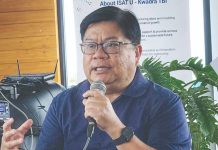
“Men’s health is just as important as women’s health, and it deserves the same attention and compassion,” said Dr. Ramon Mateo Grecia Jr., Dentist III and Oral Health and Men’s Health Program Coordinator of DOH Region 6. “We want fathers, brothers, sons, and partners to break the silence on their health issues and take full advantage of the free services available in our region.”
For many men, seeking medical help is often the last resort — done only when pain can no longer be ignored. Grecia said this delay in consulting doctors often leads to the late detection of diseases that could have been prevented or treated early.
A Culture of Toughing It Out
Across the region, health data shows that men are more prone to non-communicable diseases such as hypertension, diabetes, stroke, and heart disease. Many also face risks from prostate and testicular cancers — both highly treatable when caught early.
Then there is the growing concern over mental health. Depression and substance use among men remain underreported, often dismissed as mere “stress” or “part of life.”
Grecia stressed that men also have a critical role in reproductive health, particularly in family planning and the prevention of sexually transmitted infections.
Reaching Men Where They Are
To change this pattern, DOH-6 has launched Men’s Health Awareness activities that bring health services closer to communities. Free consultations, laboratory and dental services, and mobile clinics such as the DOH’s kNOwTell and TB Vans are being deployed across cities and municipalities.
These programs are designed to reach men where they are — at the workplace, in the barangay, or even during community events — in the hope of normalizing check-ups and open conversations about health.
Redefining Strength
For Dr. Grecia, the ultimate goal is to redefine what it means to be strong.
“Taking care of yourself — whether through regular check-ups, talking about your mental health, or staying active — is not a sign of weakness,” he said. “It’s a sign of strength and responsibility.”
He encourages men aged 18 and above to visit their nearest health centers and avail of ongoing programs.
“Men often focus on providing for others, but it’s equally important that they take time to care for themselves,” he added. “A healthy man means a healthy family.”
The Beginning of a Cultural Shift
The message from the DOH is: health is not just a woman’s concern, nor is it an issue to be whispered about. For men in Western Visayas — from farmers and drivers to professionals and fathers — the call is to take charge, get checked, and start talking.
Because true strength, as Dr. Grecia reminds everyone, begins with self-care./PN