


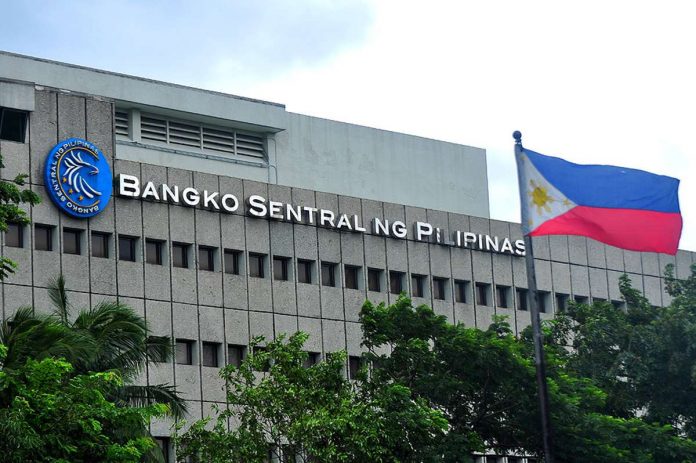
THE Bangko Sentral ng Pilipinas (BSP) yesterday said it is looking to establish a platform which would widen access of Filipinos to different pension and insurance services, as part of its efforts to boost financial inclusion in the country.
According to BSP governor Eli Remolona Jr., the central bank is looking at open finance by designing an application programming interface (API) which would initially focus on pensions under the personal equity and retirement account (PERA) program.
“What we’re trying to do now is encourage open finance by designing our own platforms, our own APIs, and they will all be about financial health. So we’re starting with PERA for example, pension scheme,” he said in a press conference in Manila City.
He added: “We’re gonna create an API for that and ask all the banks, all agreed to do this, connect to PERA so that account holders in the bank can do their pensions through PERA.”
PERA is a voluntary retirement saving program, which supplements existing retirement benefits from state-run Social Security System (SSS), the Government Service Insurance System (GSIS), and employers.
Remolona said the BSP is also looking at APIs for insurance offerings such as life insurance, property insurance, and accident insurance, as he cited the “expensive” fees in the Philippines.
Thursday’s briefing came after a visit by Her Majesty Queen Máxima of the Netherlands, who also serves as the United Nations Secretary-General’s Special Advocate for Inclusive Finance for Development (UNSGSA).
The latest data available from the BSP show that three out of five or 43 million adults have a formal account, translating to 65% of households with the biggest barriers being not enough money, no documentary requirements, and they do not know how it works. (GMA Integrated News)