


BY NELJOY N. GALIGAO
CAPIZ — Five dengue-related deaths have been recorded in Capiz as the province logged 1,051 cases as of October 2026, prompting health authorities to urge residents to sustain preventive measures despite a decline in infections.
Joeffrey Espiritu, public information officer of the Department of Health (DOH)-Capiz, said the latest surveillance data showed a 14 percent decrease in dengue cases compared with the same period last year.
However, he warned that the five fatalities underscored the continuing threat posed by the mosquito-borne disease.
In a local radio interview, Espiritu urged residents to seek immediate medical attention when symptoms appear and avoid self-medication to prevent severe complications.
Symptoms of dengue include high fever lasting two to seven days, severe headache, pain behind the eyes, muscle and joint aches, nausea, persistent vomiting, skin rashes and minor bleeding, such as nosebleeds or bleeding gums.
Residents experiencing persistent fever or other warning signs were advised to visit the nearest health center or hospital for proper assessment and treatment.
Dengue is transmitted through the bite of infected Aedes mosquitoes, which are active during the daytime, particularly in the early morning and late afternoon.
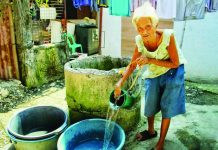
These mosquitoes breed in stagnant water commonly found in household containers, including uncovered drums, buckets, flower vases, clogged gutters and discarded tires.
To prevent further infections, DOH-Capiz reiterated the implementation of its 4S strategy, which calls for Search and Destroy mosquito breeding sites, Self-Protection Measures, Seek Early Consultation and Support Fogging and Spraying in identified hotspot areas.
Under the strategy, households are encouraged to regularly inspect their surroundings and empty, scrub, cover or dispose of containers that collect standing water. Residents are also advised to wear protective clothing, use mosquito repellents and install window screens where possible.
Health officials urged residents to consult a healthcare provider promptly when symptoms develop and cooperate with local authorities during controlled fogging operations in areas identified as dengue hotspots or declared outbreak zones.
DOH-Capiz emphasized that community participation and proper household sanitation remain essential in controlling mosquito populations, preventing additional deaths and sustaining the decline in dengue cases./PN