




ILOILO City – The Iloilo City Government and the Economic Development Committee (EDC) of the Regional Development Council VI, under Mayor Raisa S. Treñas, are taking proactive measures to cushion the impact of rising fuel prices triggered by the ongoing tensions in the Middle East.
Last week, Treñas announced the city’s plan to implement a fuel subsidy program to assist at least 2,000 registered drivers in the metro affected by increasing oil prices.
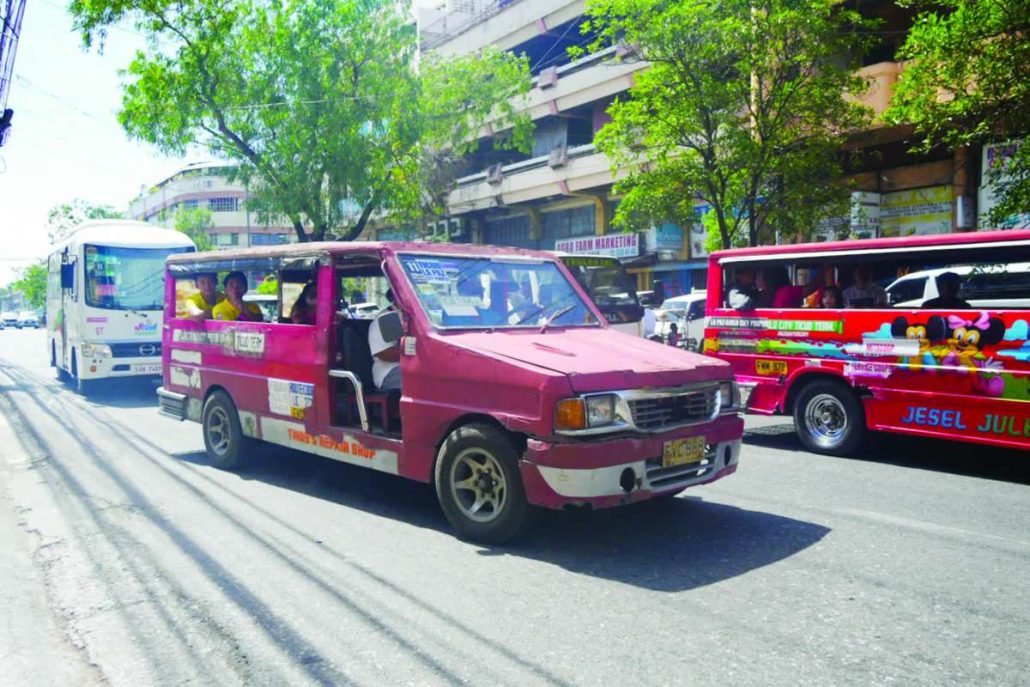
An initial P3 million has been allocated to help ease the indirect impact of the ongoing armed conflict in the Middle East on the local transport sector.
“From drivers, operators, and cooperatives to ordinary commuters, sigurado nga mabatyagan gid ang epekto sang pagtaas sang gasolina. And while this is not a sure fix, we will do what we can; the city government can start by extending subsidies,” said Mayor Treñas.
The program, to be implemented by the city’s Atipan Center, will cover public utility vehicles (PUVs) such as jeepneys, modern jeepneys, and taxis, including tricycles plying city routes.
Under the program, drivers and operators will receive P1,500 worth of petroleum products per month through their respective cooperatives. For tricycle drivers, the city is considering a P500 subsidy for those with franchises.
The fuel subsidy coupons (FSCs) to be issued under the program will be valid until December 31, 2026, subject to the availability of funds.
To qualify for the FSC, the PUV must operate on Iloilo City routes, and the driver or operator must be a bona fide resident of Iloilo City. Drivers must hold a valid driver’s license, while operators must possess a Certificate of Public Convenience or franchise. Additionally, the PUV must be included in the validated master list of the Land Transportation Franchising and Regulatory Board (LTFRB).
The Atipan Center will coordinate with drivers and operators regarding the distribution of coupons, consolidate billing statements, and prepare the necessary documents for payment.
The program rollout will be paused once the US–Israel–Iran conflict ends, or when the national government implements policies to mitigate the impact of petroleum price hikes.
Rico Mabulak, a traditional jeepney driver on the Timawa–Fundador route, expressed hope as he looks forward to the subsidy. He lamented that passenger trips have already been slow, and the oil price increase has added to their burden.
“Kung may ara gid man si Ma’am Raisa nga ihatag sa amon, mas labing maayo gid kay dako ini nga bulig sa amon. Makabulig gid ini sa amon pang-adlaw-adlaw, labi na subong nga pakadto na summer kag mahina gid ang byahe namon,” said Mabulak.
Tricycle drivers Felipe Ang and Roger Rojo shared the same sentiments.
“Kabay pa tani, dako gid na nga bulig sa amon. Maka sapin-sapin pa sa adlaw-adlaw namon. Mayor, kabay pa tani nga matupa ang subsidy namon kay dako gid na nga bulig sa amon. Salamat gid,” said Ang, who is also a father of three.
“Dako na nga bulig sa amon nga mga transport drivers. Maski paano, makabawi-bawi man kami. Kun bahin kay mayor, wala ako may ihambal kay makita ko man nga ginahimo niya ang iya obligasyon sa pumuluyo. Unahon gid tani nila ang may franchise kag indi ang mga colorum kay kami legal nga nagabyahe sa city kag gabayad sang franchise. Madamo gid nga salamat kun matuman ini. Mayor, madamo gid nga salamat,” Rojo expressed.
ENERGY-SAVING STEPS
Aside from this, the city government is also strengthening its local energy conservation initiatives. One of the proposals is the adoption of a Four-Day Work Week with a Community Engagement Day.
The initiative aims to reduce energy consumption in government facilities by approximately 10 to 20 percent while maintaining uninterrupted public service and strengthening community participation in local governance.
The proposal aligns with the provisions of Republic Act No. 11285 and follows the principles established under Department of Energy (DoE) Department Order No. DO2023-01-0005, which encourages alternative work arrangements to improve energy efficiency and operational continuity.
Under its Energy Efficiency and Conservation (EEC) Program, the city government has already implemented several energy-saving initiatives, including air conditioning temperature settings at 24°C; preventive maintenance of government vehicles; lamp retrofitting and energy-efficient lighting systems; installation of inverter air-conditioning units; and energy audit compliance with the DoE, among others.
ECONOMIC BRIEFING
As chairperson of the EDC, Treñas has also called for a regional economic dialogue with EDC members, fellow local government units, national government agencies, civil society organizations, and representatives from the business sector on March 24.
Dubbed “Resilient Leadership: Strategy and Strength Amid Global Geopolitical Shifts,” the activity aims to discuss emerging global economic challenges and geopolitical developments, how these may affect local economies, and identify strategic actions to strengthen resilience and sustain growth./PN