



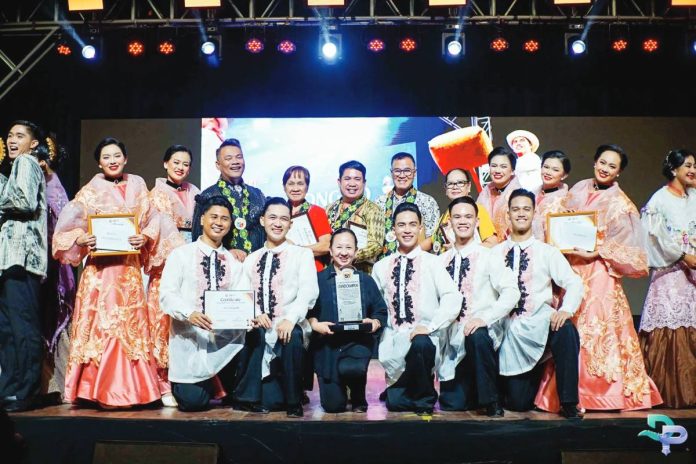
THE stage of the West Visayas State University (WVSU) Cultural Center burst with color, rhythm, and heritage on August 21 as the 2nd Saot Ilonggo Folk Dance Festival showcased the rich traditions of Iloilo through dance and music — a vibrant highlight of the city’s 88th Charter Day celebration.
This year’s festival brought together 10 outstanding young dance ensembles in the city. The Irong-Irong Dance Company of West Visayas State University (WVSU) claimed the championship title, while the Iloilo City National High School Dance Troupe and the St. Therese Hugyaw Arts and Dance Company secured first and second runner-up honors, respectively. Each performance masterfully blended artistry and storytelling, paying homage to Iloilo’s history and culture while captivating the audience.
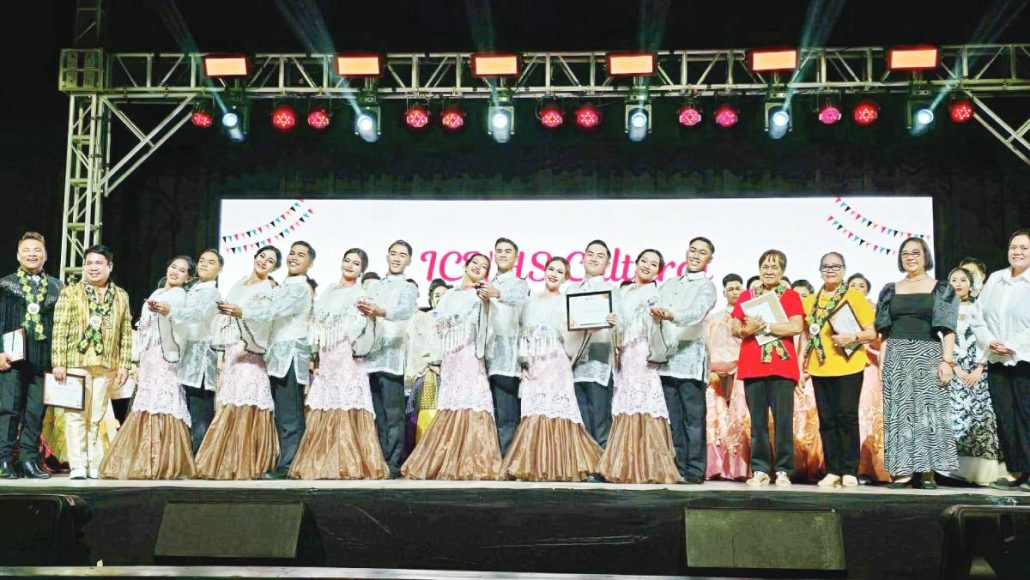
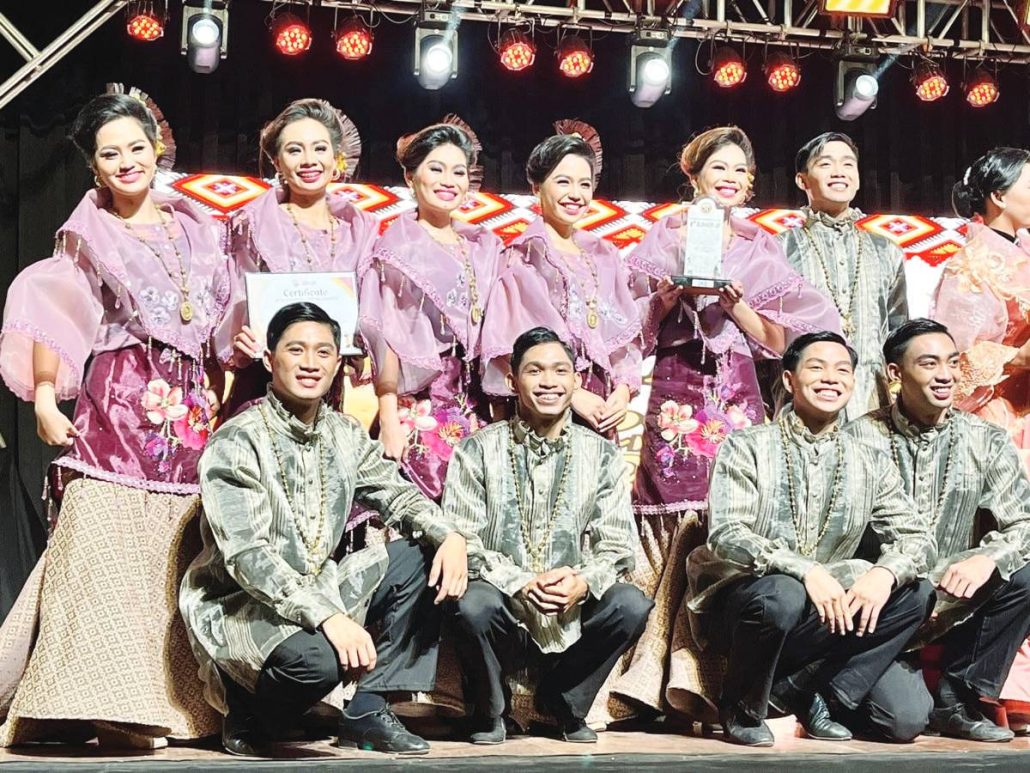
The other seven competing groups were Central Philippine University’s Tumandok Dance Company, Iloilo City Community College’s I.S.K.O. Performing Arts, Indak Dance Company, University of San Agustin Folk Dance Troupe, Sidlangan Dance Company, Iloilo Science and Technology University’s Performing Arts, and Grupo Manugsaot of Edwin C. Duero.
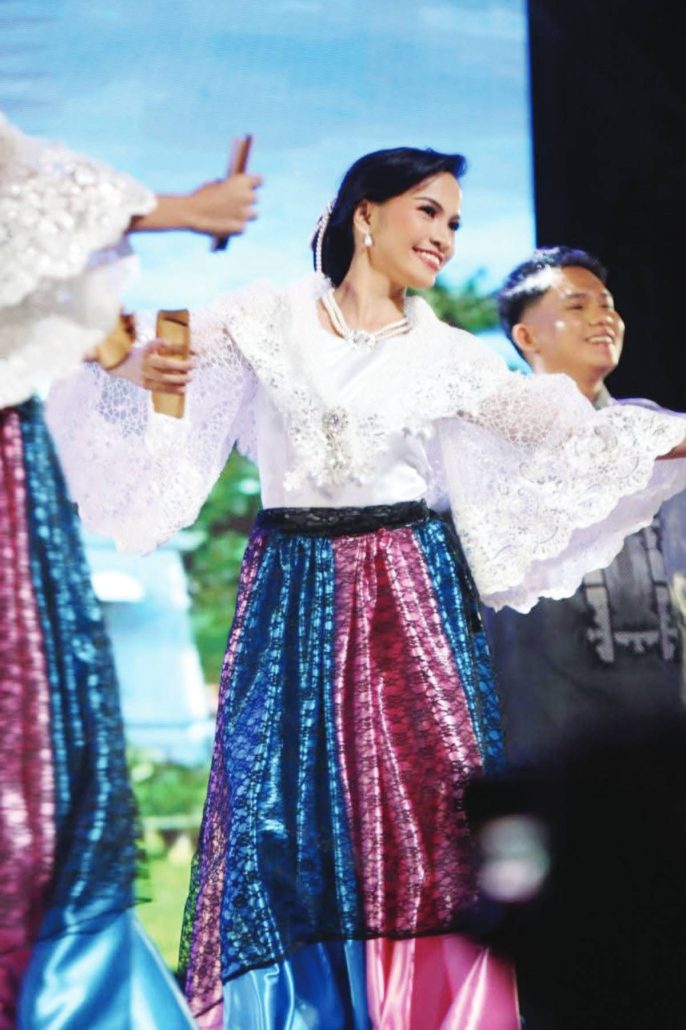
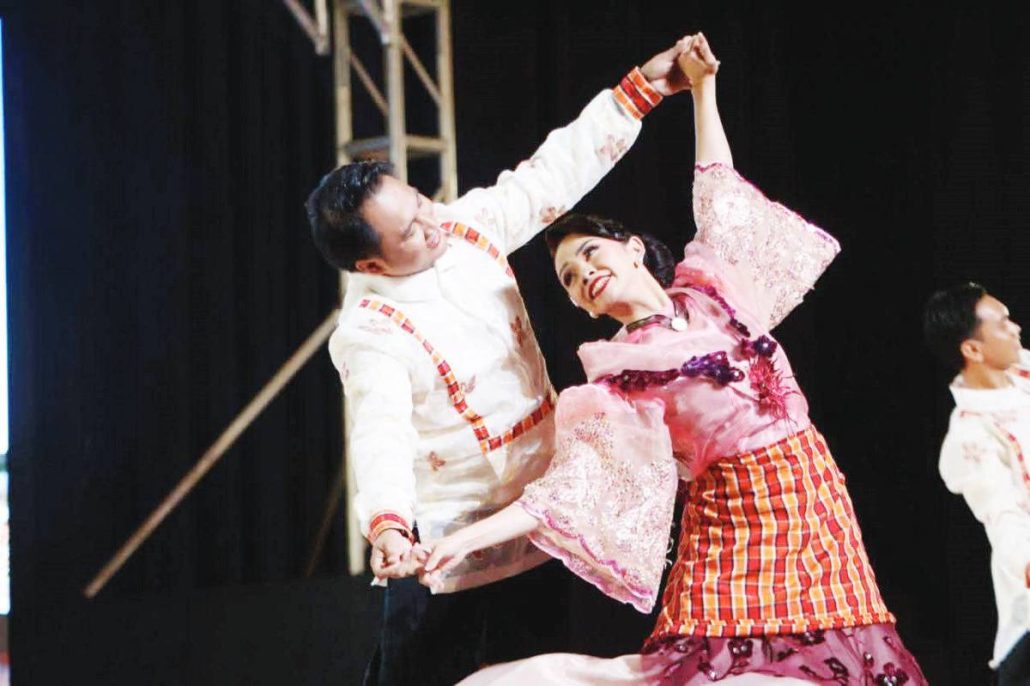
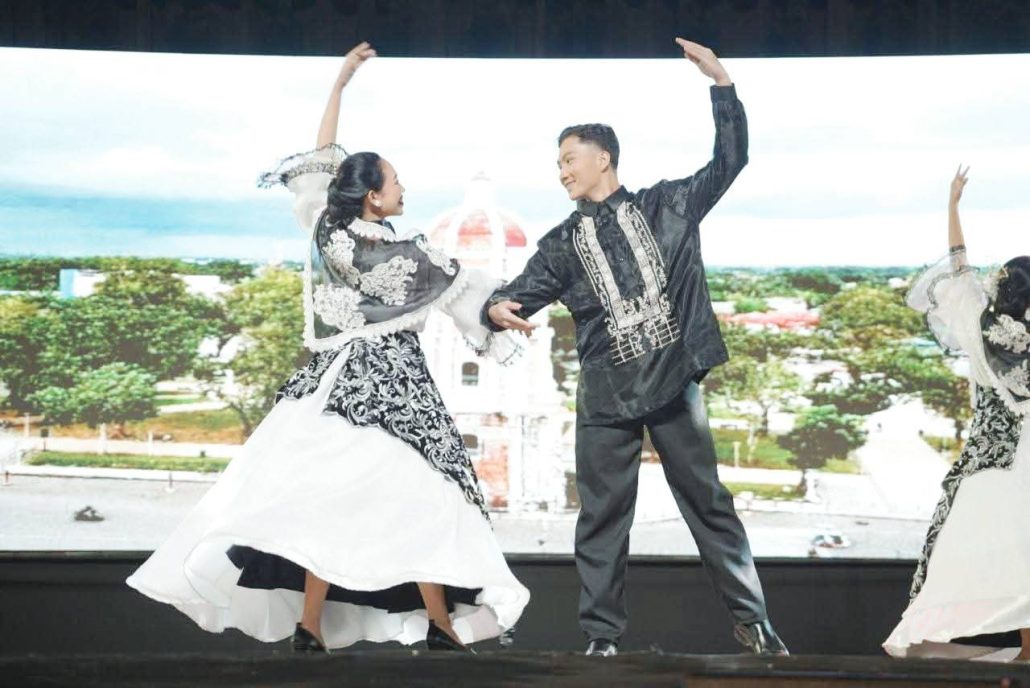
The festival is the brainchild of Ramil Huyatid, a cultural worker whose advocacy for folk dance preservation inspired the institutionalization of the event. Through Executive Order No. 096, a special committee was formed to make Saot Ilonggo a permanent fixture of Charter Day festivities, ensuring it takes its place as a cornerstone of the city’s cultural calendar.
For Huyatid, Saot Ilonggo goes beyond competition — it is about rediscovery.
“We will be using music that has been carefully researched and composed specifically for this competition,” he explained. “We’re looking for old songs from Iloilo City that haven’t been used in folk dances elsewhere in the Philippines. For example, ‘Iloilo Ang Banwa Ko’ hasn’t been used in folk dances yet. Participants will use these songs in their performances.”
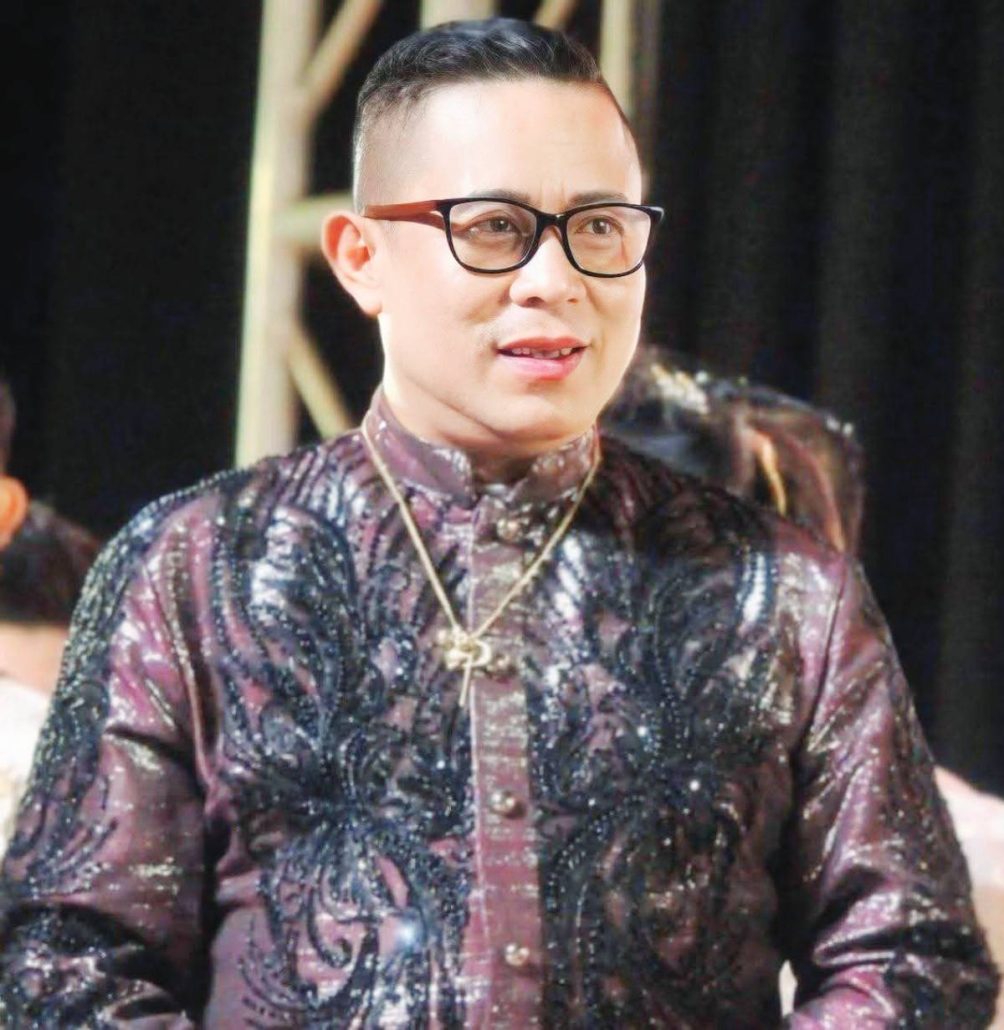
By reviving and weaving traditional Ilonggo songs into dynamic dance performances, the festival deepens appreciation for local heritage while inspiring the youth to carry these traditions forward with pride.
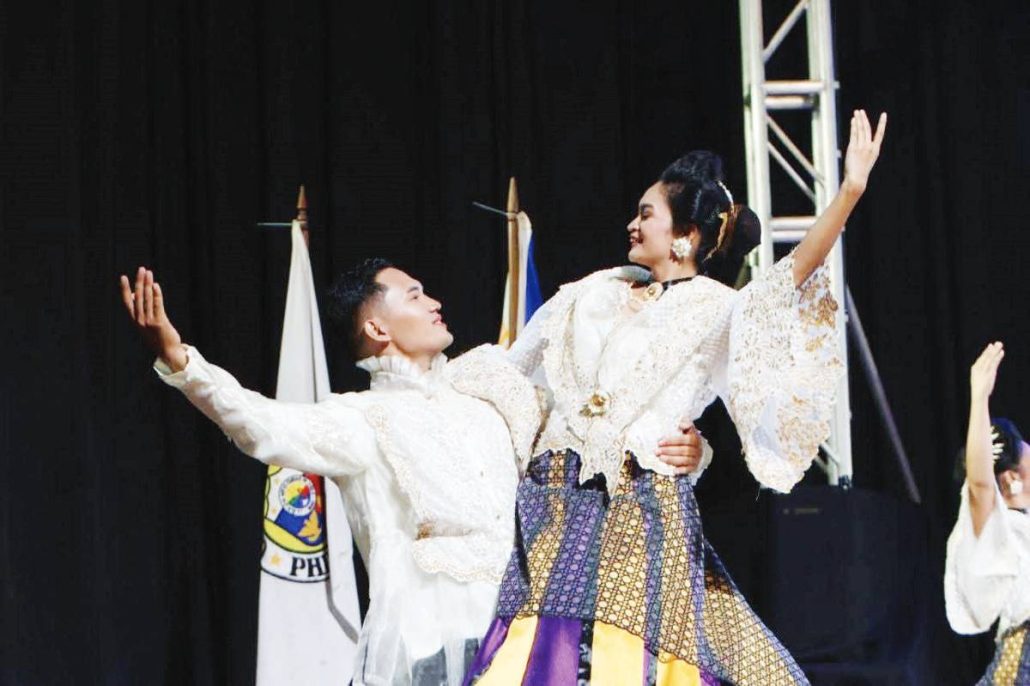
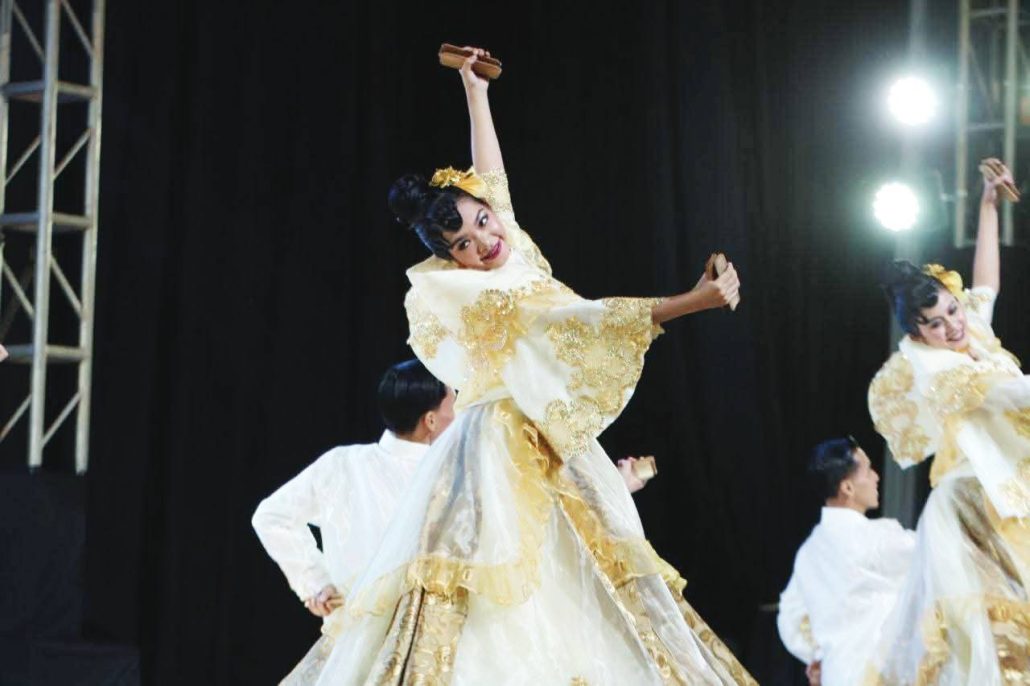
As dancers swayed to the rhythms of Ilonggo life, the festival reminded the community that culture is not just preserved in books or archives — it lives on stage, in movements passed down through generations, and in the spirit of the young Ilonggos determined to keep their cultural identity alive./PN