

ILOILO City — The Department of Health (DOH) in Western Visayas has warned that the surge in influenza-like illnesses (ILIs) could lead to serious health complications, including pneumonia and dangerously low oxygen levels, particularly among children, senior citizens and people with weakened immune systems.
In a public advisory, it urged residents to take immediate precautions as unpredictable weather conditions and cooler temperatures coincide with increasing reports of flu-like illnesses across the region.
Early detection, prompt medical consultation and strict observance of preventive measures are essential to reducing infections and preventing potentially life-threatening complications, DOH stressed.
The agency identified sudden high fever, persistent cough, runny or clogged nose, sore throat, severe headaches, muscle pain and unusual fatigue as common symptoms that should prompt individuals to closely monitor their condition.
More serious warning signs include difficulty breathing, shortness of breath, persistent high fever, chest tightness and bluish discoloration of the lips, which require immediate medical attention.
DOH cautioned that flu-like illnesses, if not properly managed, could develop into pneumonia, secondary bacterial infections and other severe respiratory complications.
Residents experiencing these symptoms were advised to immediately seek consultation at their nearest barangay health center, designated YAKAP clinic or public hospital.
Vulnerable groups at risk
The health department particularly warned that young children, elderly individuals and people with compromised immune systems face greater risks of developing serious complications.
Children are especially vulnerable because of their developing immune systems and frequent exposure to infections in schools and other crowded environments.
Senior citizens, meanwhile, are at greater risk because of declining immunity and the prevalence of underlying medical conditions such as diabetes and heart disease.
Individuals with weakened immune systems also face increased susceptibility to respiratory complications, including bronchitis and severe pneumonia.
DOH emphasized that protecting these vulnerable groups requires heightened vigilance among families, schools, workplaces and communities.
Eight preventive measures
To contain the spread of influenza-like illnesses, the health department recommended eight essential preventive measures, beginning with annual influenza vaccination, particularly for senior citizens, young children, pregnant women and healthcare workers.
Residents were also urged to wash their hands frequently with soap and water for at least 20 seconds or use alcohol-based sanitizers, especially after visiting public places.
Maintaining adequate ventilation in homes, classrooms and workplaces was likewise emphasized to reduce the concentration of airborne infectious particles.
The agency reminded the public to practice proper cough etiquette by covering the mouth and nose with a tissue or the inside of the elbow when coughing or sneezing.
Avoiding unnecessary contact with the eyes, nose and mouth was also recommended to minimize the risk of infection.
People experiencing respiratory symptoms, caring for sick family members or entering crowded and poorly ventilated areas were encouraged to wear properly fitted face masks.
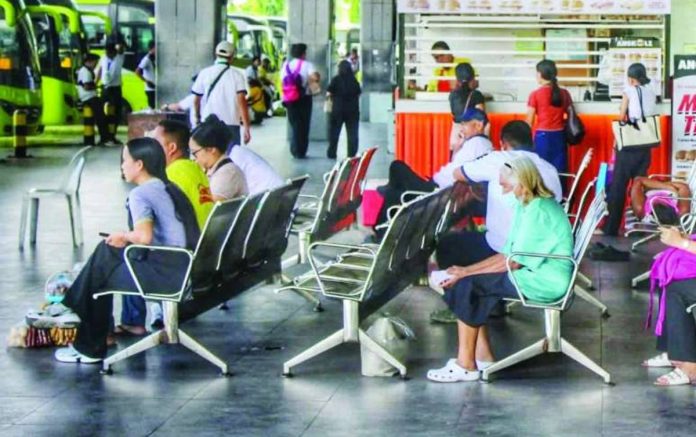
Those who develop flu-like symptoms should stay home, rest and avoid unnecessary contact with others to prevent transmitting infections to classmates, coworkers and fellow commuters.
DOH also stressed the importance of seeking early medical consultation when fever is accompanied by coughing, colds and body aches to ensure timely diagnosis and appropriate treatment.
Disease surveillance continues
Meanwhile, regional epidemiology teams continue to monitor weekly disease trends across Iloilo, Capiz, Aklan, Antique and Guimaras to assess the situation and guide public health interventions.
The advisory underscores the need for communities to remain vigilant as respiratory illnesses threaten to spread, particularly in schools, households and other places where people frequently gather.
Health authorities reiterated that vaccination, personal hygiene, early consultation and responsible behavior when sick remain crucial in preventing further transmission and protecting vulnerable populations.
The DOH advisory did not provide specific figures on the number of influenza-like illness cases or the percentage increase recorded in the region./PN