

ILOILO — The Department of Health (DOH) in Western Visayas has warned that misinformation could undermine the deworming campaign this July and expose children to intestinal worm infections that may cause anemia, stunted growth and delayed cognitive development.
DOH Region 6 urged parents, guardians, educators, local governments and communities to support school- and community-based deworming activities and rely only on verified health information.
The campaign targets soil-transmitted helminths, or intestinal worms, which particularly threaten children because of their frequent exposure to soil that may be contaminated with parasite eggs.
Without treatment, the infections can impair the body’s absorption of nutrients and lead to anemia, poor growth, delayed cognitive development and weakened resistance to other illnesses, the DOH-6 said.
Intestinal worm infections may also affect children’s school attendance and academic performance.
Albendazole, the medicine used in the deworming program, has been part of the country’s public health strategy for nearly three decades and is endorsed by the World Health Organization as a safe and effective treatment.
DOH said the medicine is generally well tolerated, although some children may experience minor and temporary side effects such as stomach discomfort, vomiting, fever, diarrhea or skin rashes within hours after taking it.
Health professionals are prepared to manage any adverse reactions, it added.
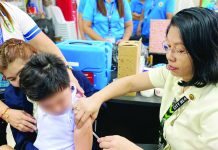
Amid the circulation of misleading claims about the campaign, the DOH directed health workers and local government units to strictly follow safety protocols in administering the medicine and responding to possible side effects.
The department said adherence to these procedures is crucial to maintaining public trust and ensuring the safe and effective conduct of deworming activities.
“The DOH likewise reminds the public to rely only on verified information from the Department of Health and to refrain from sharing unverified reports or misleading claims that may cause unnecessary fear and discourage participation in this important public health program. The Department remains committed to protecting the health of Filipino children through safe, science-based, and evidence-driven public health interventions,” the department stated.
The DOH-6 called on all stakeholders to ensure that eligible children receive the necessary treatment, stressing that deworming remains an essential intervention for their health, development and overall well-being./PN