


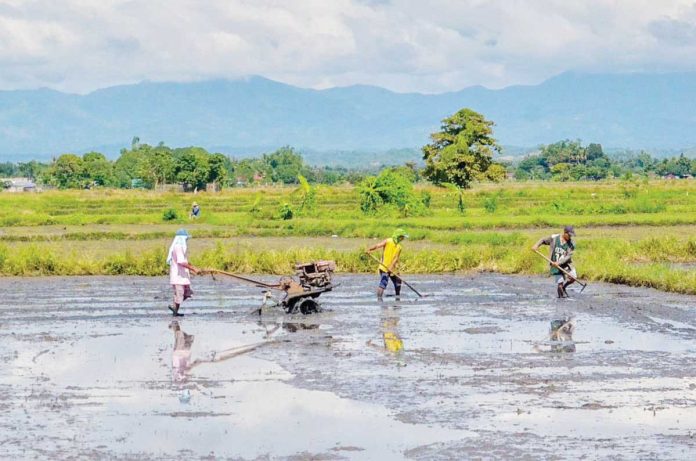
ILOILO City – Although the absence of weather phenomena El Niño and La Niña has made conditions ideal for rice farming in Western Visayas this wet cropping season, the Department of Agriculture (DA) warns that farmers are still at risk of bacterial diseases and insect pest infestations that could severely impact their harvests.
Ryan Rasgo, chief of DA Region 6’s Field Operations Division, said that while the current weather favors rice cultivation, it also creates an environment conducive to the spread of plant diseases and pests if not managed early.
Among the common bacterial diseases identified by DA-6 are brown spot, sheath blight, and leaf blight, while the list of harmful pests includes whitehead, rice bug, dead heart, rice stemborer, and brown plant hopper.
In an interview with Panay News, Rasgo emphasized the importance of preventive measures and early intervention. If left unchecked, these diseases and pests could result in significant damage to farmers’ crops and incomes.
To address the threat, DA-6 and partner local government units continue to conduct “Technoclinics”, which provide guidance and best practices to farmers on managing disease and pest outbreaks.
“Ever since each cropping season, we’ve been conducting Technoclinics. These serve as a refresher for our farmers to help minimize potential damage,” Rasgo said.
He urged farmers to immediately report any signs of infestation or infection in their rice crops to ensure timely response and intervention.
DA-6 has trained technicians under the Integrated Pest Management program who can be deployed for on-site inspections and provide tailored recommendations to affected farmers.
In addition, the agency has designated cluster coordinators and farm leaders trained as “Bantay Pest Brigade Volunteers” who serve as force multipliers conducting barangay-level crop inspections.
Rasgo also stressed that early reporting can help farmers avail of insurance claims through the Philippine Crop Insurance Corporation (PCIC). “We are working with PCIC, so in cases where the damage is beyond control, the farmers can be covered through insurance,” he said.
To file a claim, affected farmers must photograph the damaged crops and submit a report to their respective Municipal Agriculture Office (MAO). The report must include their name, address, affected area size, age of the crop, and incurred expenses from land preparation to planting.
Rasgo said the claim is meant to compensate for the cost of farm inputs such as seeds, fertilizers, pesticides, insecticides, and labor./PN