


ILOILO City – Ilonggos are wary of the potential side effects of vaccines against coronavirus disease 2019 (COVID-19), results of the city government’s initial immunization screening revealed.
Of the 9,731 individuals asked to fill up vaccination consent forms, 6,863 or 71 percent were apprehensive of getting anti-coronavirus shots even if these are free. Only 29 percent are willing to be inoculated.
The City Health Office distributed the forms to households in the city’s 88 barangays early this month. Only residents 18 years old and above are eligible to sign the consent form which also indicated the brand of vaccines to be used in the inoculation – AstraZeneca’s AZD1222.
TRUST ISSUES
Jeck Conlu of the city’s COVID Team said some residents believed vaccines were not needed to cure the severe respiratory disease while others pressed public officials to get the shots first.
“Wala man ina question kay pag–abot sang bakuna, mapabakuna kami una,” Conlu stressed.
COVID-19 vaccine brands also mattered to the respondents.
“Ang iban kon mangkuton mo kon Pfizer or Moderna…okay man sila. Pero kon halin China gani dira sila nagapangduha-duha,” Conlu further said.
He also theorized that misinformation on social media fueled vaccine hesitancy among the Ilonggos.
“May fear sila sa side effects,” Conlu said. “Naunahan sila sang mga false information sa social media nga kuno negosyo.”
One of the reluctant city residents was Bert Ladera from Jaro district. He cited the city’s high recovery rate and low fatality count for COVID-19.
“Indi ako magpabakuna…Indi man mataas ang fatality kag mas madamo ang recovery…Indi ko gusto pasudlan sang foreign material ang akon immune system,” Ladera said.
Mario Mendrez, a 29-year-old engineer from Arevalo district, also said getting anti-coronavirus shots is more risky and he is not sure of its effects.
Instead of vaccination, gym instructor Lara Roldan, on the other hand, would rather invest in self-care, boost her immune system and strictly follow health and safety measures to minimize the risk of contracting the coronavirus.
Meanwhile, Karla Mondres of Molo district said she and her family were interested in getting inoculated but were not in a hurry. She said they would wait for reports of any adverse effects from the shots.
“Pagdamu na mapa-vaccine, siempre less na ang chances magka-COVID. Eventually, madula na lang ang coronavirus kay indi man na mabuhi kon wala host,” said Mondres.
AGRRESIVE INFO DRIVE
Mayor Jerry Treñas said he understood Ilonggos’ reluctance and proposed a comprehensive information dissemination campaign.
“I am personally meeting representatives from different sectors to appeal for their help to spread accurate information on the vaccines so we can shield our residents from COVID-19,” said Treñas.
Doubts about immunization, according to Treñas, could be addressed once people understand the benefits of vaccines.
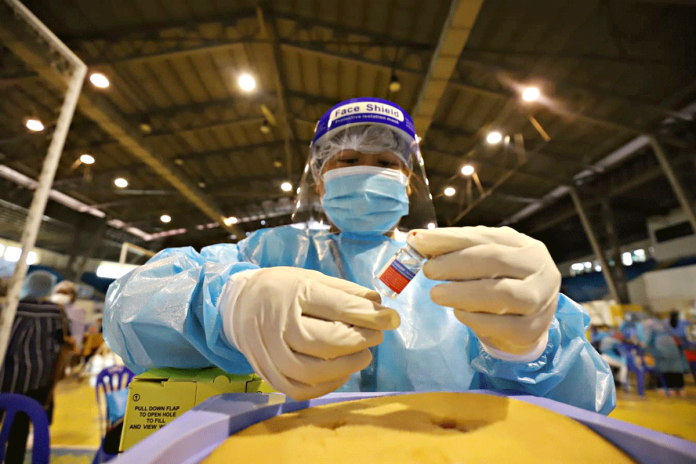
The mayor also shared his plan to hold more vaccination dry runs to test the city’s preparedness for the rollout of COVID-19 vaccines.
Early in January, the city government entered into a tripartite agreement with AstraZeneca and the national government for the advance procurement of 600,000 vials of AZD1222 Vaccine that could cover 300,000 city residents (the vaccination requires two doses).
The target number of persons for vaccination is 60 percent of the city’s total population of about 474,250.
AZD1222 Vaccine is made from a weakened version of a common cold virus (known as an adenovirus) from chimpanzees. It has been modified to look more like coronavirus – although it can’t cause illness.
When the vaccine is injected into a patient, it prompts the immune system to start making antibodies and primes it to attack coronavirus infection.
The vaccines, according to Treñas, are projected to arrive in May at the earliest./PN