



By NELJOY N. GALIGAO
ILOILO City — The humble carabao horn, a piece of native wood, and the skilled hands of an Ilonggo craftsman have found their way into international diplomacy.
From a modest workshop in Iloilo City to the grand diplomatic stage of the 49th Association of Southeast Asian Nations (ASEAN) Summit in Manila, handcrafted pens fashioned from indigenous Philippine materials became extraordinary gifts for presidents, prime ministers and other world leaders.
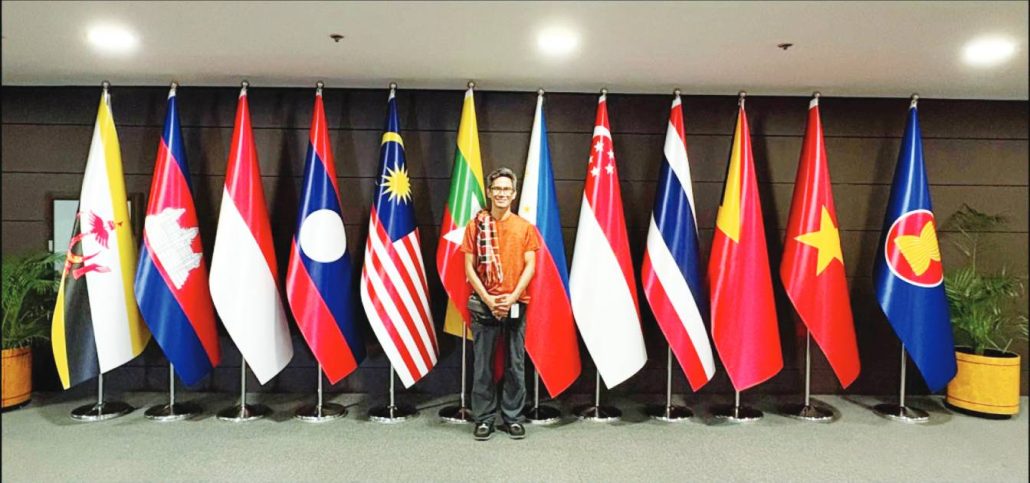
Behind these exquisite writing instruments is Arnel John “Nonoy” Vallejo, the creative force behind Banwa Pens, an Iloilo-based specialty brand that transforms traditional materials into elegant expressions of Filipino artistry, cultural identity and community pride.
But beyond the prestige of having his creations presented to Southeast Asia’s most powerful personalities lies a more compelling story — one of ordinary Filipino artisans whose collective talents have earned an extraordinary place on the world stage.
For Vallejo, the feat shows that world-class craftsmanship can emerge from local communities, where creativity thrives despite limited resources and international recognition often remains elusive.
Each bespoke ballpen tells that story.
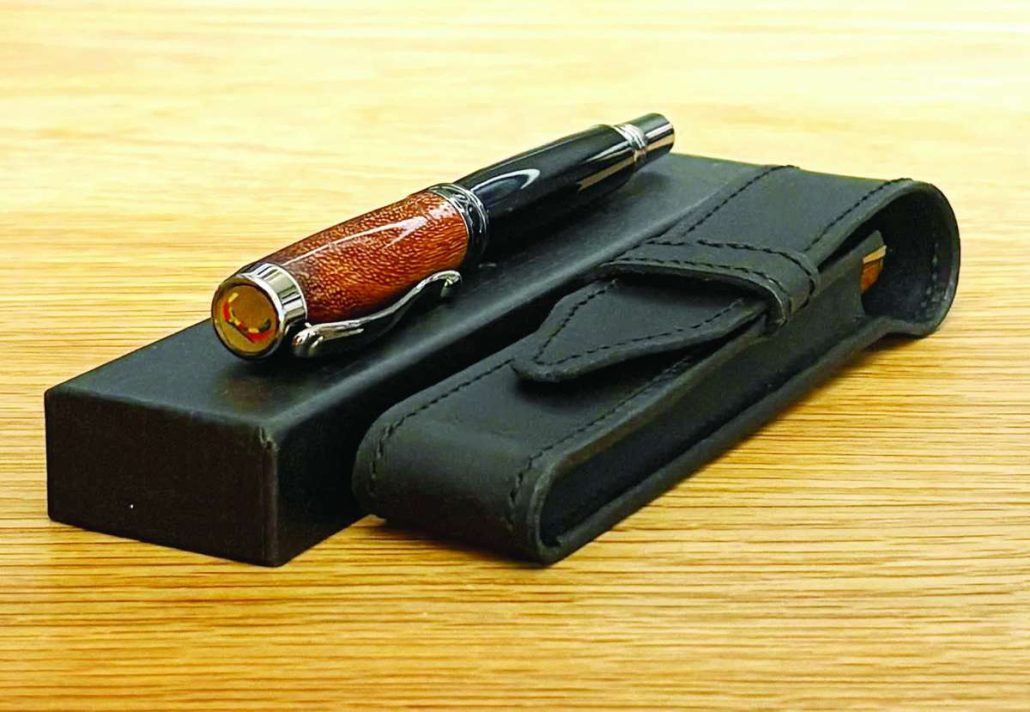
Its barrel is meticulously fashioned from polished carabao horn, while its cap is carved from durable madre de cacao wood. A specially forged brass seal bearing the ASEAN emblem crowns the instrument, lending it a distinctive diplomatic character.
Complementing the craftsmanship are handcrafted leather cases and write-ups printed on abaca paper, completing an ensemble that celebrates the richness of Philippine natural materials and traditional artistry.
Yet the most meaningful element of these creations is not immediately visible.
It is the spirit of “banwa” — a Hiligaynon word meaning town, village or community — that inspired Vallejo to turn what could have been a personal accomplishment into a collective undertaking.
Rather than producing every component himself, Vallejo brought together fellow Filipino artisans whose individual skills contributed to the finished masterpieces.
Ernesto Bumanglang supplied the carabao horn, Gira Leather+ created the handcrafted cases, Fred Tayo produced the ASEAN brass seal, and Soul Paperie prepared the abaca-paper write-ups.
Together, they transformed an ambitious commission into a celebration of collaboration, demonstrating that remarkable achievements become possible when individual talents unite behind a common purpose.
The philosophy, Vallejo believes, closely reflects the very ideals upon which ASEAN was established.
“That’s what ASEAN is all about – how can we help each other progress,” Vallejo said in a feature published on the official ASEAN 2026 Philippines page.
His words capture the deeper significance of the project.
Just as Southeast Asian nations seek strength through cooperation while preserving their distinct identities, the artisans behind Banwa Pens combined their individual expertise to create something greater than any one of them could have accomplished alone.
For Vallejo, being entrusted with such a prestigious commission was an “incredible honor,” but the greater fulfillment came from giving Filipino craftsmanship a place in international diplomacy.
“Each pen carries not just craftsmanship but the stories, creativity, and pride of Filipino makers working together to create something meaningful,” Vallejo said.
“Every detail represents the skill and dedication of our local artisans, whose talents deserve to be seen and celebrated on the global stage,” he added.
A small enterprise, a global opportunity
The journey of Banwa Pens to the ASEAN Summit began when the brand attracted the attention of the ASEAN National Organizing Council through LIKHA, a flagship initiative spearheaded by First Lady Louise Araneta-Marcos.
The initiative seeks to showcase indigenous craftsmanship, promote Filipino creativity and provide greater opportunities for homegrown enterprises to reach wider markets.
For Banwa Pens, that opportunity opened the doors to one of the country’s most prestigious diplomatic gatherings.
The commission also demonstrated how micro, small and medium enterprises (MSMEs), often overshadowed by larger businesses, can compete in highly specialized markets through originality, craftsmanship and cultural authenticity.
In an age dominated by mass-produced merchandise, Vallejo’s creations offer something increasingly rare — handcrafted products distinguished not merely by their appearance but by the stories and traditions embedded in their design.
The Department of Trade and Industry (DTI) in Iloilo, which has assisted Banwa Pens as an MSME, celebrated the achievement as a significant breakthrough for the province’s creative industry.
Following national media coverage of the handcrafted diplomatic gifts, the agency publicly commended Vallejo for bringing Ilonggo craftsmanship into the international spotlight.
“Congratulations to Sir Nonoy Vallejo of Banwa Pens, a DTI-assisted MSME, for bringing Iloilo’s artistry to the global stage! His handcrafted pens are featured in an ABS-CBN article as special gifts for world leaders attending the 49th ASEAN Summit,” DTI Iloilo wrote on Facebook.
The agency also underscored the wider significance of the accomplishment for entrepreneurs and artisans across Western Visayas.
“A testament to how local craftsmanship, creativity, and Filipino ingenuity can make a mark on the international stage. Padayon, Ilonggo MSMEs. Your talent deserves the world’s spotlight,” DTI Iloilo added.
More than a pen, a piece of Iloilo
The significance of Vallejo’s achievement extends beyond the ceremonial exchange of gifts among world leaders.
It highlights the enormous potential of local craftsmanship as an instrument of cultural diplomacy and economic opportunity.
Every carefully polished barrel, precisely carved wooden cap and handcrafted accessory represents a skill that can generate livelihoods, preserve traditional knowledge and introduce Filipino creativity to markets far beyond the country’s shores.
For Iloilo, the accomplishment is particularly meaningful.
Long celebrated for its rich cultural heritage, artistic traditions and entrepreneurial spirit, the province has gained another example of how local talent can command international attention without abandoning its roots.
The Banwa Pens story also offers an encouraging lesson to aspiring artisans and small entrepreneurs: global recognition does not necessarily begin with massive investments, sophisticated factories or internationally established brands.
Sometimes, it begins with an imaginative idea, a pair of skilled hands and a community willing to work together.
And while the pens may eventually become treasured diplomatic souvenirs, their greatest value lies in what they represent — the ingenuity of Filipino makers and the possibilities that emerge when local craftsmanship receives the recognition and opportunities it deserves.
For Vallejo, the milestone reinforces the very purpose behind the enterprise he built.
“This is what Banwa Pens stands for — bringing our culture, our stories, and the talents of our local artisans to the world,” he added.
From the quiet confines of an Iloilo workshop to the hands of international leaders, Banwa Pens has written an inspiring chapter in the story of Filipino craftsmanship.
And perhaps that is the most beautiful irony of all: a humble writing instrument, created by ordinary artisans, has become a powerful storyteller for an entire community.
A pen may be small enough to fit inside a pocket, but in the hands of Vallejo and his fellow craftsmen, it has become big enough to carry Iloilo’s pride across borders./PN