


ILOILO City – Mounds of garbage, driftwood, and sand buried stretches of Iloilo City’s coastal roads after Super Typhoon “Uwan”, exposing the recurring problem of poor waste management and vulnerability of seaside communities to storm surges.
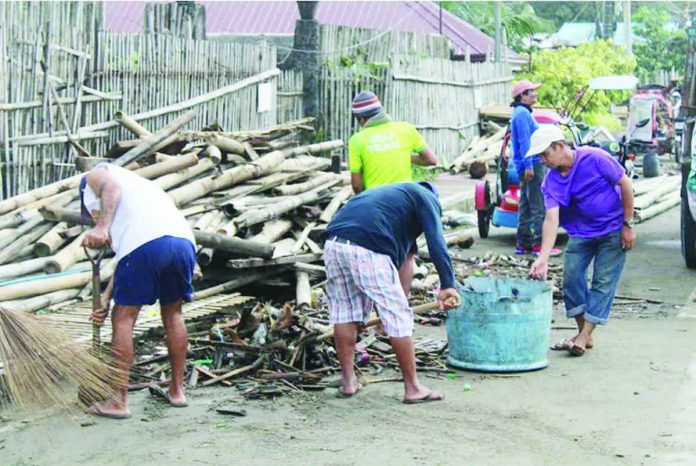
The city government’s General Services Office (GSO) teams have been working round-the-clock to clear the debris in Barangay Sto. Niño Sur, Arevalo district and Fort San Pedro, City Proper — areas repeatedly battered whenever powerful typhoons strike.
“Every time a strong typhoon hits, Sto. Niño Sur is among the hardest hit by wave surges,” said Engr. Neil Ravena, GSO head. “Our teams are already used to responding here because debris and sand usually pile up along the coastal roads.”
Ravena said the scale of cleanup operations was massive, with their dump trucks quickly filled with waste and driftwood.
“As of now, we’ve already collected around 10 tons of garbage from Sto. Niño Sur and nearby areas, but that number will still go up since our consolidation and hauling continue,” he said.
He added that clearing operations must prioritize removing sand and debris to prevent secondary flooding.
“We need to clear the sand so it won’t cover or clog our drainage lines. That’s our priority right now,” he emphasized.
The GSO has requested additional heavy equipment and two more dump trucks to accelerate the cleanup. Residents have also joined the effort, helping clear roads blocked by debris.
Aside from Sto. Niño Sur, GSO teams are also conducting cleanup and monitoring operations in Fort San Pedro and Molo district, which were likewise affected by Uwan’s strong waves.
During last week’s Typhoon “Tino,” the GSO collected over 600 tons of debris and fallen trees citywide./PN