


LOCAL air carriers may have to source part of their fuel from cleaner, nonfossil alternatives by 2030, a government official said.
Department of Energy (DOE) Undersecretary Alessandro Sales said the agency has discussed with the National Biofuels Board the possibility of requiring a minimum 1 percent sustainable aviation fuel (SAF) blend.
“The recommendation is to have a 1 percent SAF (sustainable aviation fuel) mix or mandate by 2030,” he told reporters on the sidelines of the ASEAN Ministers on Energy Meeting in Pasay City.
In a previous statement, the DOE said SAF is a chemically identical alternative to fossil fuel-based aviation fuel. Producers can process it from plant- and used-oil feedstocks, such as forestry and agricultural waste and used vegetable oils.
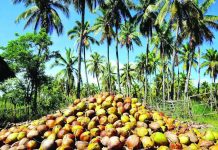
The DOE considers coconut oil, which the country already uses to produce biodiesel, a potential feedstock for SAF.
Although SAF prices are “three to four times higher” than fossil fuels, Sales said the impact on airfares may be minimal because the initial implementation would require only a 1 percent blend.
Sales said the country needs to increase production to bring SAF prices down. The Philippines currently has no domestic SAF production.
The government, however, still needs to assess local feedstock availability and investors’ appetite for building up supply, Sales said.
Sales could not provide an estimate of the initial investment needed to develop a SAF facility in the Philippines. He added that the industry would also have to account for the logistics costs of transporting feedstock to the facility.
Aviation fuel accounted for 3 percent of total fuel demand in the country last year, DOE data showed.
Meanwhile, Sales said ASEAN members could collaborate on SAF production, noting that the region has the resources to produce the fuel and is in a “unique position” to become a demand center.
“[But] this will involve more collaborative talks… because there are national agendas also running in the individual countries,” he said.
Sales added: “We’re moving with our Asean partners on addressing issues on energy security, on building a regional stockpile. This biofuel component can also serve purposes of security.” (Lisbet K. Esmael © Philippine Daily Inquirer)