

PRESIDENT Ferdinand Marcos Jr. has ordered the implementation of a digital and integrated pre-border technical verification and cross-border electronic invoicing of all imported commodities.
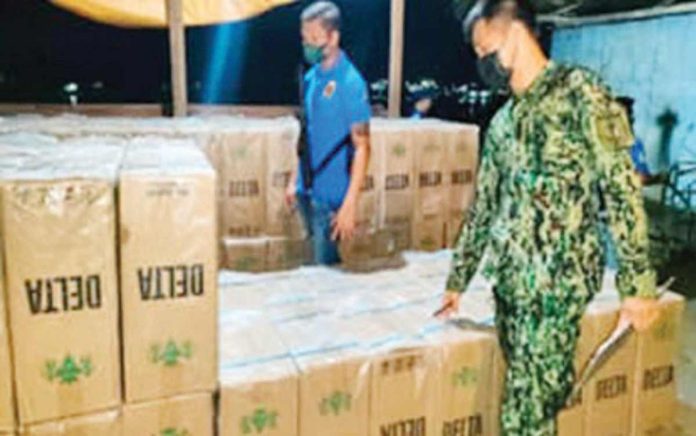
Signed by Executive Secretary Lucas Bersamin, Marcos issued Administrative Order (AO) No. 23 on May 13 to effectively inspect all imported goods entering the country and further strengthen national security, safeguard consumers’ rights, and protect the environment against sub-standard and dangerous imported goods.
“A single electronic invoicing system controlled by the Philippine Government is necessary to effectively monitor international trade transactions of all imported goods,” the AO said.
The AO also ordered the creation of the Committee for Pre-border Technical Verification and Cross-border Electronic Invoicing, headed by the Secretary of Finance as the chairperson, with the Secretaries of Agriculture, Trade, Energy, Health, Environment and Natural Resources, and Information Communications Technology serving as members.
Other committee members include the Bureau of Customs (BOC) commissioner, Director General of Philippine Drug Enforcement Agency (PDEA), and two non-voting representatives from duly recognized industry associations to be appointed by the chairperson upon recommendation of the committee.
The BOC, as the primary government entity responsible for implementing customs procedures, is implementing the electronic invoicing system in accordance with the government’s strategic direction and policy guidance, international trade standards, and existing laws and regulations. (Philippine News Agency)