



BY BEIA SANTOS
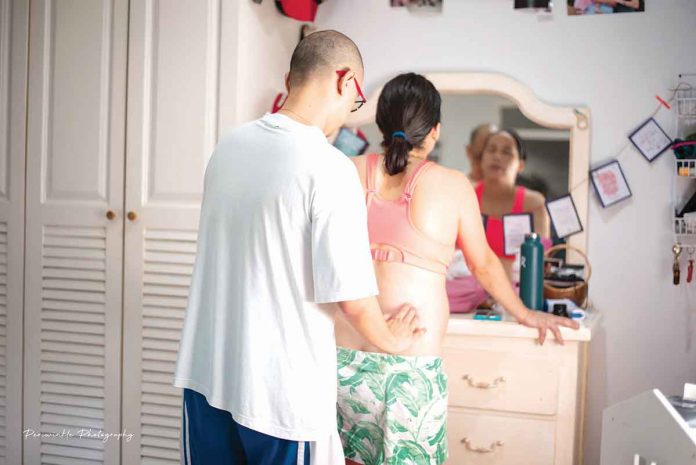
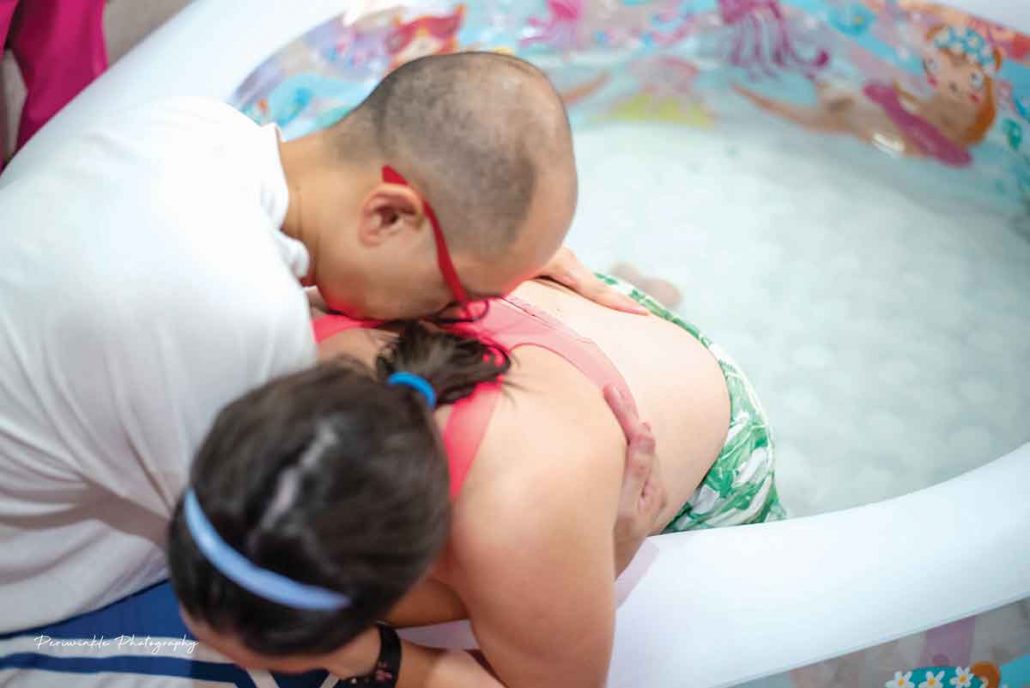
LABORING during birth is exactly what the word is – labor. It is difficult, painful, and often a long journey a mom goes through before she gets to hold her baby in her arms. It is needed because it signals you that your baby is ready to come earthside. It is pain that means your body is going through a hundred changes in order to birth your baby. But what I learned after three births is that pain is different from suffering. A birth that is welcomed, supported, and done in a loving environment is one where labor is void of suffering, misery, and torture. If you’re having a true gentle birth, you are at peace knowing that every wave of pain is one step closer to holding your beautiful baby.
What is a gentle birth? A gentle birth is a birth where the mother’s rights are respected. A birth where the mother is the priority and her birth plan is met by the birth attendants. Do you want to birth with husband present? This should be an option for you. Do you want your body to labor without interventions? That should be your right. Should you be listened to throughout the birthing process? Most definitely. Yes, the doctors know more about the medical aspect of birth, but only you can feel what your body is going through and what you need and want. Avoiding a traumatic birth experience can be easily avoided when the birth attendant and the mother have open, honest, informed, and educated conversations before the birth actually takes place.
Sadly, living in a high-technology and advanced world does not mean the birthing experiences of women have improved. Studies showed that one in three women experience birth trauma*; and this is the trend in many countries, whether developed or developing, across the globe. If you speak to women about their birth stories, many will share about a birth attendant who spoke to them rudely, unnecessary interventions which made them end up having emergency procedures, experiences where they were belittled and maltreated, and just the feeling of not being an active participant in their own births without having the chance to listen to their own bodies.
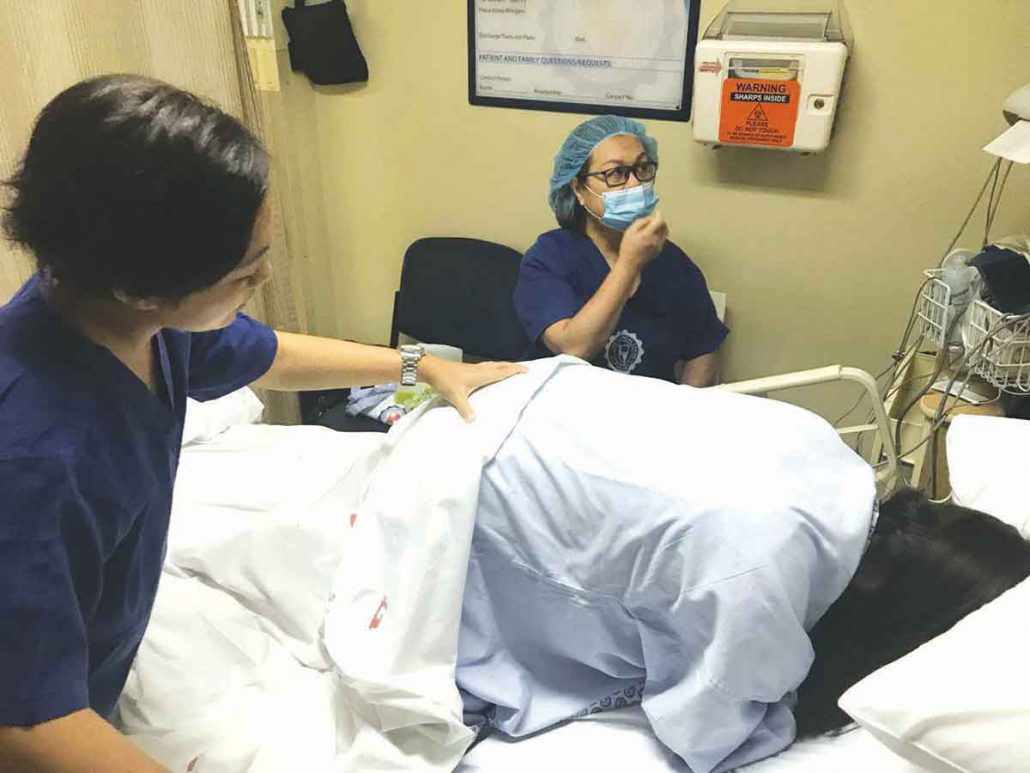
From the sensationalized and often inaccurate birth scenes we see in the movies and traumatic stories the elderly tell teens to scare them from pregnancy and birth, women are taught to fear birth and enter it already feeling defeated. This culture of painting a picture of birthing as a terrifying and impossible feat has to end. We, women, are capable of birthing. Our bodies were made to birth our babies naturally, and that includes getting through labor. You have to believe in yourself and your body’s abilities so that you enter that delivery room confident and ready to take control of your birth story. When you believe in yourself, you will surround yourself with a birth team who believes in you, too./PN
*Reed et al. BMC Pregnancy and Childbirth (2017) 17:21