

ILOILO City — The Department of Health (DOH) in Western Visayas is rolling out major healthcare reforms aimed at removing financial barriers, decongesting hospitals, and bringing medical services closer to marginalized communities.
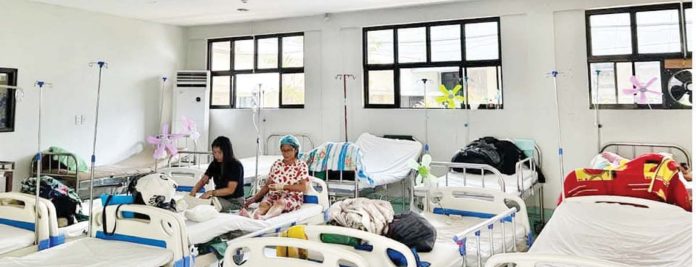
One of these is the Zero Balance Billing (ZBB) program, which guarantees that qualified PhilHealth members — including indigent, sponsored, and senior citizen patients — will not pay anything during confinement in DOH-retained wards.
Patients admitted to basic ward accommodations in four DOH-run hospitals in Western Visayas and the Negros Island Region would no longer spend “a single centavo” for confinement expenses as part of the government’s full implementation of the zero-balance billing policy.
The initiative seeks to eliminate out-of-pocket expenses that often prevent poor families from accessing quality healthcare services.
The agency also underscored the operationalization of Bagong Urgent Care and Ambulatory Services (BUCAS) Centers, which are designed to bridge the gap between hospital emergency rooms and outpatient departments.
According to the DOH, the centers will provide urgent medical and surgical care, outpatient consultations, laboratory testing, and minor surgeries without requiring hospital admission, helping decongest tertiary hospitals while bringing essential medical services closer to communities.
There’s also the PuroKalusugan Program, a grassroots healthcare initiative focused on delivering preventive and promotive health services directly to communities or puroks.
The program includes routine immunization, maternal and child health monitoring, nutritional assessment, and localized disease surveillance aimed at ensuring primary healthcare services remain accessible, especially in underserved areas.
The DOH said the coordinated efforts of government agencies and stakeholders are expected to transform the healthcare landscape in Western Visayas and reinforce the principle that “no community should be left behind” in achieving better health and wellbeing./PN