



ILOILO City — The hepatitis B positivity rate in Western Visayas climbed to 2.90 percent in the first half of 2026 with fewer people undergoing testing, raising fears that infections may remain undiagnosed across the region.
Data from the Department of Health (DOH) Region 6 showed that 1,566 of the 54,024 people tested from January to June were positive for the viral infection. The rate was higher than the 2.55 percent recorded in 2025.
Hepatitis B is a liver infection caused by the hepatitis B virus. It may lead to chronic liver disease, cirrhosis and liver cancer.
The virus is transmitted through infected blood and bodily fluids. Common transmission routes include mother-to-child transmission during childbirth, the use of contaminated needles and syringes, and child-to-child transmission through shared instruments or open wounds.
It may also be transmitted through sexual contact and contaminated blood products.
The region’s males posted the highest positivity rate at 3.96 percent, compared with 2.25 percent among females and 2.06 percent among pregnant women.
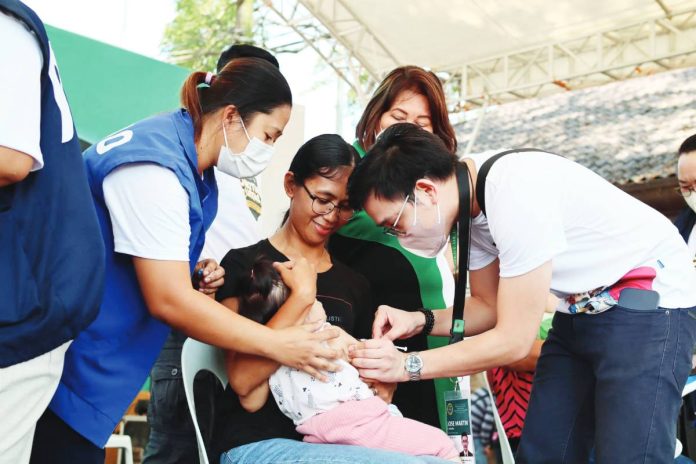
Against this backdrop, DOH-6 is targeting 85,622 individuals, primarily children, for hepatitis B vaccination throughout Western Visayas.
Iloilo Province accounts for the largest share of the vaccination target at 36,189, followed by Capiz with 13,975; Antique, 11,921; Aklan, 11,373; Iloilo City, 8,775; and Guimaras, 3,389.
The figures will guide the distribution of vaccines, logistical preparations and monitoring efforts to ensure that eligible infants receive their doses on time.
“The Hepatitis B vaccine is a key component of the National Immunization Program, providing lifelong protection and reducing the burden of liver disease in the community,” DOH-6 stated.
Health authorities warned that infected infants may not show symptoms, increasing the likelihood that the infection will become chronic and persist for life.
Acute hepatitis B may cause fatigue, nausea, vomiting, abdominal pain and jaundice. In chronic and advanced cases, patients may experience abdominal swelling, abnormal bleeding, changes in mental state and other symptoms of liver failure.
The World Health Organization has identified infants born to infected mothers and children below five years old as particularly vulnerable to developing chronic hepatitis B.
The vaccine, when administered shortly after birth and followed by succeeding doses, can provide nearly 100 percent protection against the virus.
DOH-6 said vaccination at birth remains the most effective defense against infection and its potentially fatal complications.
“The hepatitis B vaccine is the mainstay of hepatitis prevention. WHO recommends that all infants receive the hepatitis B vaccine as soon as possible after birth,” the agency added.
There is no specific treatment for acute hepatitis B. Medical care focuses on maintaining the patient’s comfort and nutrition.
“There is no specific treatment for acute hepatitis B. Therefore, care is aimed at maintaining comfort and adequate nutrition, including replacement of fluids lost from vomiting and diarrhea,” DOH-6 stated.
The department urged parents to ensure that newborns receive their hepatitis B birth dose and complete all scheduled vaccinations.
Pregnant women were also advised to undergo hepatitis B screening during antenatal checkups, while people with chronic infection were encouraged to seek regular treatment and monitoring.
“Protect your family and yourself from Hepatitis,” DOH-6 stressed.
DOH-6 urged residents to visit their nearest health centers for vaccination, screening, treatment and proper medical care./PN