


ILOILO – Dengue cases in Iloilo province dropped by 65 percent in the first four months of 2026, but health officials warned residents not to become complacent as expected rains and possible flooding could trigger another surge in mosquito-borne diseases in the coming months.
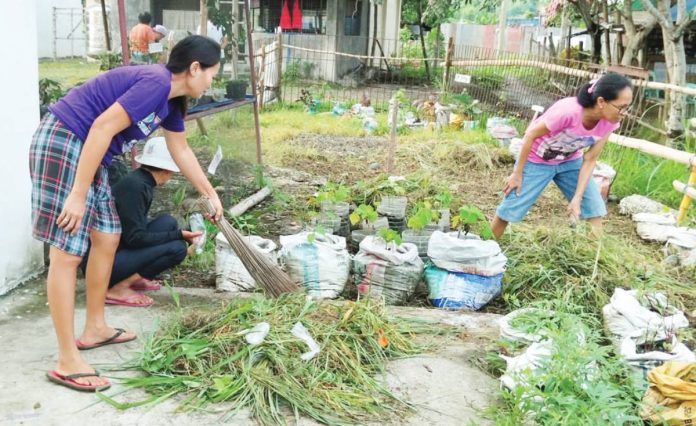
The Iloilo Provincial Health Office (IPHO) intensified its anti-dengue campaign by urging the public to strictly observe the “4S” strategy and actively participate in the “Limpyo Iloilo Kada Lunes na Lihok Kontra Lamok” cleanup drive to sustain the decline in cases this year.
Dengue is caused by day-biting mosquitoes that breed in clear, stagnant water.
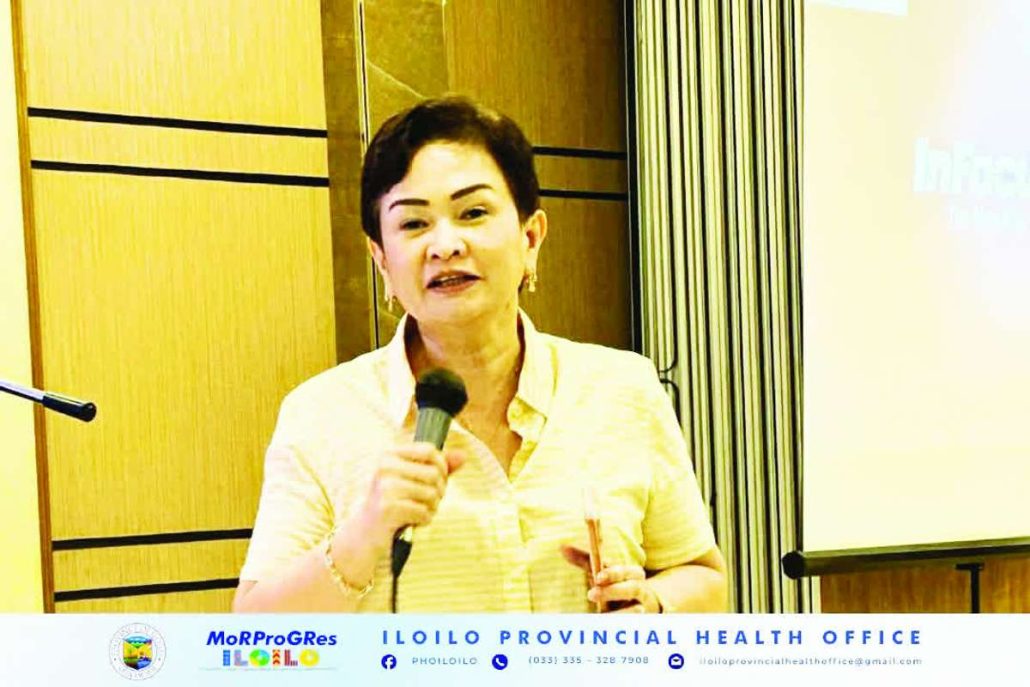
“According to the Philippine Atmospheric Geophysical and Astronomical Services Administration’s Seasonal Climate Outlook, near to above-normal rainfall is expected in many regions, including Iloilo Province. This increases the risk of flooding, stagnant water, and mosquito breeding — raising the threat of dengue and other mosquito-borne diseases. Let’s work together to protect our families and communities,” part of the advisory issued by the IPHO headed by Dr. Maria Socorro Colmenares-Quiñon.
The advisory was released amid forecasts of increased rainfall toward September despite the expected El Niño phenomenon.
Under the 4S anti-dengue strategy, the public was urged to:
* Search and destroy mosquito breeding sites;
* Seek early consultation for fever, body pain, nausea, or rashes;
* Secure self-protection with repellents and protective clothing; and
* Support sSpraying/misting operations in hotspot areas.
The IPHO also strengthened its health response measures, including the activation of Dengue Fast Lanes in health facilities, prepositioning of medicines, diagnostic kits and vector control supplies, and mobilization of Barangay Dengue Task Forces.
Health authorities likewise encouraged residents to actively join the weekly anti-mosquito cleanup campaign.
“Every clean container, every covered drum, every destroyed breeding site is a victory against dengue. Prevention is not seasonal, it must be a daily habit,” the IPHO stressed.
“This is a call for unity and vigilance. Together, we can sustain the decline of dengue cases and prevent outbreaks of mosquito-borne diseases in Iloilo Province,” the office added.
Based on the Provincial Epidemiology and Surveillance Unit (PESU) report covering Jan. 1 to May 9, 2026, Iloilo province recorded 581 dengue cases with two deaths, significantly lower than the 1,651 cases with nine deaths logged during the same period last year.
Cabatuan recorded the highest number of dengue cases this year with 72, followed by Calinog with 59, Dumangas with 25, Janiuay with 24, Passi City and Maasin with 23 each, Oton with 21, Ajuy and Lambunao with 19 each, and Tigbauan with 18.
The remaining dengue cases were reported in 33 other areas across Iloilo province, including several areas that also logged dengue-related deaths.
These are Sara (17), Banate (16), Carles (16), San Dionisio (16), Estancia (15), Miag-ao (15), Pototan (14), San Miguel (14), Concepcion (13), Balasan (11), Barotac Viejo (10), Leganes (10), San Enrique (10), Batad (nine), Bingawan (nine), Igbaras (eight), Pavia (eight), Dueñas (seven), Guimbal (seven), Santa Barbara (seven), Alimodian (six), Barotac Nuevo (six), Lemery (five), Leon (five), Tubungan (five), Dingle (four with one death), Mina (four), Badiangan (three), Zarraga (three), San Joaquin (two), Anilao (one), New Lucena (one), and San Rafael (one)./PN