


ILOILO – Confronting the urgent need for better healthcare access for young diabetics, the Iloilo provincial government, through its Provincial Health Office (IPHO), has embarked on a pioneering effort to strengthen Type 1 diabetes care for children and adolescents across the province.
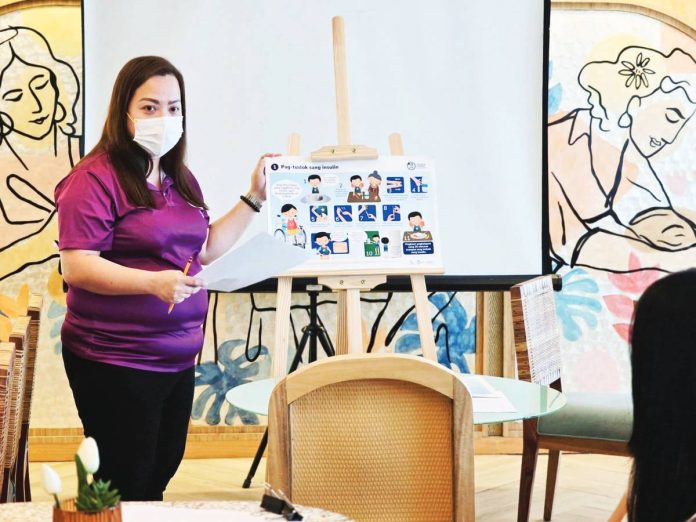
In collaboration with Humanity & Inclusion – Philippines, IPHO convened a consultation meeting with children living with Type 1 Diabetes and their parents to gather first-hand insights that will shape improved information, education, and communication (IEC) materials developed by the Iloilo Diabetes Technical Working Group.
Type 1 Diabetes, a chronic condition where the body fails to produce insulin — a hormone essential for regulating blood sugar — typically develops in childhood or adolescence and requires lifelong management.
Without consistent insulin access and proper monitoring, children face severe complications such as hypoglycemia, hyperglycemia, and long-term organ damage.
To bridge these care gaps, the Changing Diabetes in Children (CDiC) project has introduced specialized IEC materials for patients aged 0 to 25 years in Iloilo, aiming to enhance families’ health literacy and promote proactive diabetes management.
A major thrust of the initiative is capacity-building for healthcare providers.
“By delivering targeted training and resources, healthcare professionals will be better prepared to offer comprehensive care to young patients, addressing their unique healthcare needs,” the project emphasized.
The CDiC program also plans to distribute free insulin and glucose monitoring devices to indigent families to ensure equitable access to diabetes care.
Supported by Novo Nordisk Philippines and Roche, the five-year project includes a comprehensive strategy encompassing patient education, continuous medical supply provision, workforce training, and the establishment of a provincial network of diabetes clinics.
What began in Iloilo now extends to Valenzuela City, Iloilo City, and the Davao Region, creating a unified framework for sustainable diabetes care nationwide.
By focusing on inclusion and accessibility, the project underscores its message that “#NoOneShouldDieOfDiabetes”—a call to action toward a future where “#LeaveNoOneBehind” is more than a slogan but a lived reality for every Filipino child living with diabetes./PN